Situation Summary
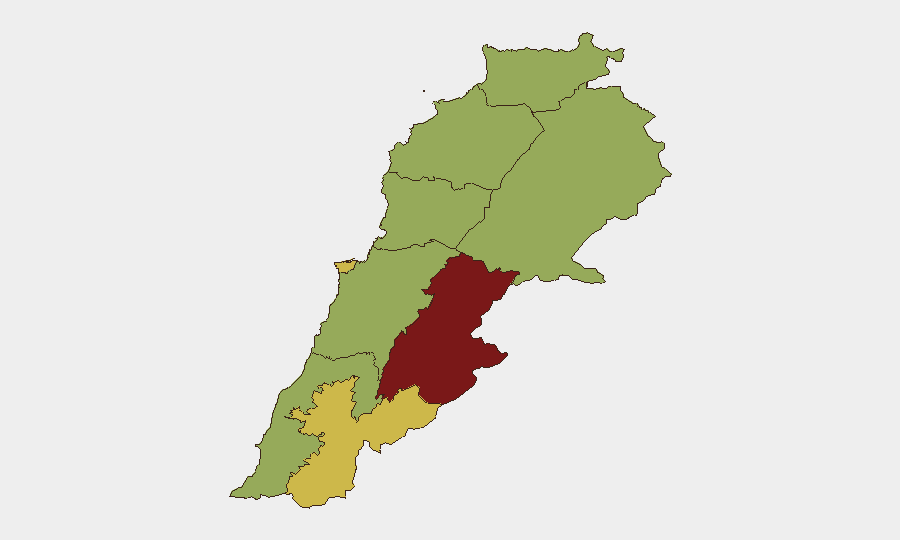
Lebanon remains in a state of acute fragility with active Israeli-Lebanese cross-border military operations and political rejection of proposed security arrangements. The Beqaa Governorate presents the highest composite risk score (88.1), driven by proximity to Israeli operations and sustained conventional military activity. Escalatory signals dominated the past 48 hours, including Iranian demands on Lebanese governance, Israeli military strikes in the south, and rejection of the U.S.-brokered ceasefire framework by key Lebanese actors.
Key Developments
- Nabatieh area (South Governorate), 28 June: Israeli forces conducted conventional military strikes in southern Lebanon near the Nabatieh area following breakdown in security negotiations, with local reports citing airstrikes on suspected militant positions.
- Southern Lebanon ceasefire status, 28 June: Reuters reporting indicates the fragile security arrangement between Lebanon and Israel remained under active strain, with Israeli forces maintaining positions deep within southern Lebanese territory despite nominal ceasefire protocols.
- Hezbollah political rejection, 28 June: Naim Qassem, Hezbollah chief, publicly declared the U.S.-brokered Lebanon-Israel security framework "null," signaling refusal to recognize the agreement and escalating political fallout across Lebanese factions.
- Iranian demand signal, 29 June: Intelligence feeds recorded Iranian demands directed at Lebanese governance, indicating external pressure on state decision-making during the current crisis cycle.
- Israeli military mobilization, 27 June: Israeli military mobilization signals were recorded, preceding subsequent conventional strikes and indicating sustained operational posture against Lebanese targets.
- Multi-actor rejection/disapproval cascade, 26–28 June: Sequential rejection statements from Lebanese, Israeli, and military actors suggest breakdown in diplomatic consensus and hardening of positions across all stakeholder groups.
Highest-Risk Areas
Beqaa Governorate (88.1 risk score) dominates threat concentration due to proximity to Israeli operations, historical militant presence, and current military mobilization. Beirut Governorate (70.3) remains secondary risk driver, reflecting political instability, factional tensions, and status as command-and-control center for competing state and non-state actors. The remaining seven governorates cluster at 58.1, indicating systemic risk spread across the country but concentrated intensity in the eastern and capital regions. Southern Lebanon (Nabatieh, South Governorate) represents immediate tactical risk due to active Israeli military presence and ongoing cross-border strikes.
How GeoBit Would Assist
Teams managing personnel or assets in Lebanon should deploy Area-of-Interest (AOI) Monitoring & Early Warning on the Beqaa Governorate and Nabatieh area to detect military mobilization, strike patterns, and displacement signals in real time. Conflict & Military capabilities including battle mapping and force-structure tracking would provide continuous visibility into Israeli and Lebanese military dispositions and operational tempo. Network & Actor Analysis combined with multi-language Intel Sweep and Telegram/X OSINT monitoring would track factional rejection signals, Iranian pressure points, and ceasefire legitimacy—critical for anticipating further escalation or factional breakdown.
7-Day Outlook
Political rejection of the security framework by armed actors suggests near-term risk of escalation rather than stabilization. Continued Israeli military activity in southern Lebanon and Iranian external pressure create conditions for rapid deterioration. Organizations should anticipate further Israeli strikes, potential Lebanese state collapse in border governance, and increased displacement risk in the Beqaa and South governorates over the next week.
Highest-Risk Areas — Ranked
| # | State / Region | Risk |
|---|---|---|
| 1 | Beqaa Governorate | 88.1 |
| 2 | Beirut Governorate | 70.3 |
| 3 | Nabatieh Governorate | 61.9 |
| 4 | North Governorate | 58.1 |
| 5 | Akkar Governorate | 58.1 |
| 6 | Keserwan-Jbeil Governorate | 58.1 |
| 7 | Mount Lebanon Governorate | 58.1 |
| 8 | South Governorate | 58.1 |
| 9 | Baalbek-Hermel Governorate | 58.1 |
Sources
Previous Daily Briefs
A new Lebanon brief is written every day — each with its own risk map and downloadable CSV. Here's the last week; use the calendar to go further back.
📅 Browse every day by calendar →
Highlighted days have a brief. Tap a day for that day's map & analysis, or “csv” for that day's dataset ($5).