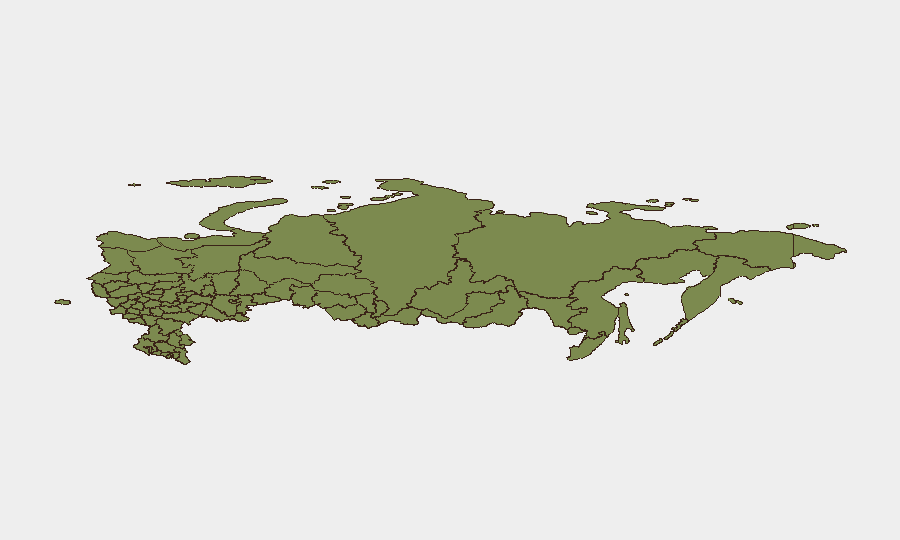
Situation Summary
Russia faces sustained Ukrainian long-range strikes targeting critical infrastructure, with confirmed attacks on energy facilities, satellite communications hubs, and civilian areas across multiple regions within the last 24–48 hours. Escalation in unconventional violence and cross-border military activity has driven recent event frequency and elevated composite threat scores. Moscow remains the highest-risk jurisdiction (35.2), followed by Krasnoyarsk Krai (28), reflecting concentration of strategic targets and operational intensity. The security environment shows no signs of de-escalation.
Key Developments
- Oryol Oblast, Oren Gas Processing Complex (23–24 June): Ukrainian forces conducted a nighttime long-range strike on Russia's sole helium production facility, igniting fires and temporarily disrupting operations. Russian and Ukrainian sources confirmed the attack as part of a coordinated overnight strike package.
- Moscow Region, Dubna Satellite Communications Center (23–24 June): Ukrainian forces struck what Kyiv describes as Russia's largest ground-based military satellite communications facility north of Moscow, targeting rear-area command-and-control infrastructure.
- Vladimir Oblast, Secondary Satellite Communications Node (23–24 June): A second Ukrainian drone strike hit a communications facility east of Moscow in the same coordinated overnight operation, degrading military signal redundancy.
- Nizhny Novgorod Oblast (23–24 June): A Ukrainian drone strike killed two civilians and injured two others, according to regional governor Gleb Nikitin, as part of the coordinated overnight strike wave.
- Belgorod Oblast, Russia–Ukraine Border (23–24 June): One civilian killed in a Ukrainian drone strike in this chronically targeted border region during the latest overnight attack cycle.
- Nationwide Air Defense Operations (night of 23–24 June): Russia's Defense Ministry reported intercepting 323 Ukrainian drones overnight, with active air-defense engagements confirmed across Moscow, Nizhny Novgorod, and Belgorod regions.
Highest-Risk Areas
Moscow (35.2) dominates the risk profile due to concentration of administrative, communications, and strategic infrastructure; recent strikes on satellite facilities north of the capital and ongoing Ukrainian drone campaigns intensify exposure for personnel and assets in the capital and surrounding oblasts. Krasnoyarsk Krai (28) ranks second, reflecting its role as a major energy and industrial hub; the Oren Gas Processing complex strike illustrates vulnerability of critical infrastructure in rear areas previously considered lower-threat. Volgograd, Tver, and Krasnodar oblasts (9.7–9.1) show elevated risk from both direct military activity and secondary effects of infrastructure degradation. Saint Petersburg (8.7), though lower-ranked than Moscow, remains exposed to maritime and cyber-linked threats given its strategic port status and NATO proximity.
How GeoBit Would Assist
Security teams should deploy AOI Monitoring & Early Warning on critical asset locations (energy facilities, communications nodes, corporate offices) across Moscow, Krasnoyarsk, and other high-risk regions to receive real-time alerting on drone activity, fires, or infrastructure strikes. Conflict & Military battle mapping and force-structure tracking combined with Intel Sweep and multi-language OSINT (X, Telegram, YouTube) enable duty-of-care teams to correlate Ukrainian strike announcements with Russian acknowledgments and regional casualty reports within hours, reducing decision-lag on personnel movement or asset protection. GIS & Spatial Analysis paired with alternative route/journey planning allows rapid re-routing of supply chains and personnel transport away from targeted zones.
7-Day Outlook
Ukrainian long-range strike campaigns against Russian rear-area infrastructure are likely to continue or intensify, particularly targeting energy, communications, and logistics nodes that support front-line operations. Civilian casualties and infrastructure disruption will drive further escalatory rhetoric from Moscow. Risk in Moscow, Krasnoyarsk, and border oblasts will remain elevated; corporate security teams should assume sustained drone and missile activity against critical infrastructure nationwide.
Highest-Risk Areas — Ranked
| # | State / Region | Risk |
|---|---|---|
| 1 | Moscow | 35.2 |
| 2 | Krasnoyarsk Krai | 28 |
| 3 | Volgograd Oblast | 9.7 |
| 4 | Tver Oblast | 9.4 |
| 5 | Krasnodar Krai | 9.1 |
| 6 | Amur Oblast | 8.9 |
| 7 | Saint Petersburg | 8.7 |
| 8 | Kurgan Oblast | 8.2 |
| 9 | Novosibirsk Oblast | 7.5 |
| 10 | Tula Oblast | 7.2 |
| 11 | Rostov Oblast | 7.1 |
| 12 | Primorsky Krai | 6.9 |
Sources
Previous Daily Briefs
A new Russia brief is written every day — each with its own risk map and downloadable CSV. Here's the last week; use the calendar to go further back.
📅 Browse every day by calendar →
Highlighted days have a brief. Tap a day for that day's map & analysis, or “csv” for that day's dataset ($5).