Situation Summary
South Korea faces a composite threat environment characterized by elevated strategic risk from North Korean military posturing, widespread corporate cyber vulnerability, and intensified defense-sector modernization. The country ranks #147 globally with a composite threat score of 5 across 131 tracked events, with Seoul and North Chungcheong provinces significantly outpacing other regions in risk concentration. While no major civil unrest or infrastructure attacks were reported in the last 24–48 hours, policy announcements and regional security developments indicate sustained tension along the peninsula and growing exposure to cyber and maritime threats.
Key Developments
- Seoul, nationwide (26 June 2026): South Korea's Defense Ministry announced plans to train approximately 500,000 active-duty soldiers as "drone warriors" and deploy tens of thousands of drones and counter-drone systems to frontline units, signaling a major shift in military posture in response to North Korean capabilities.
- South Korea, corporate and public sector (26 June 2026): A government-run cybersecurity drill revealed that 41.6% of South Korean employees opened simulated phishing emails and over 20% clicked malicious links, highlighting acute vulnerability to social-engineering attacks across organizations.
- Seoul, defense-sector policy (26 June 2026): President Lee publicly emphasized plans to foster next-generation defense technology firms, focusing on AI, drones, and advanced systems, in a televised address signaling strategic commitment to militarization of emerging technologies.
- Jeju Island (26 June 2026): One of South Korea's largest diplomacy and security forums concluded with discussions centered on regional security, maritime chokepoints, and geopolitical tensions; no direct incidents reported but agenda reflects heightened regional conflict concern.
- Korean Peninsula, military posture (24–26 June 2026): North Korea continued explicit rejection of denuclearization talks while emphasizing new weapons systems threatening Seoul and expanded naval capabilities, reported in multiple security outlets during the reporting period.
- Strait of Hormuz, international waters (26 June 2026): South Korean media reported eight South Korean merchant vessels transiting the Strait of Hormuz amid Iran–UAE tensions over transit fees and security, elevating exposure of Korean nationals and shipping to Middle East maritime risk.
Highest-Risk Areas
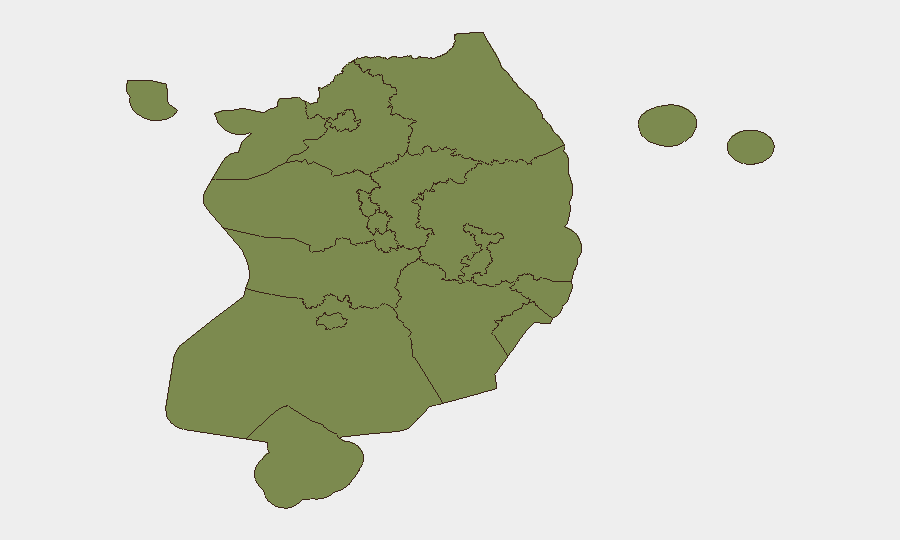
Seoul (31.4) and North Chungcheong (30.1) significantly drive national risk, together accounting for the majority of tracked threat events and reflecting Seoul's status as the capital, primary government seat, and symbolic target in inter-Korean tensions, combined with North Chungcheong's proximity to the Demilitarized Zone. Gyeonggi Province (4.0) follows at considerably lower risk but remains relevant as the Seoul metropolitan perimeter. All other provinces register substantially lower composite scores (1.4–3.4), indicating that risk in South Korea remains geographically concentrated in the Seoul capital region and the northern border corridor rather than distributed nationally.
How GeoBit Would Assist
Corporate security and risk teams would employ OSINT fusion and corroboration, entity extraction, and sentiment & temporal analysis to monitor North Korean military announcements and assess escalation indicators in real time. Cyber-risk intelligence and social-engineering threat tracking via X/Twitter and Telegram OSINT would flag emerging phishing and supply-chain compromise campaigns targeting Korean businesses. AOI monitoring and early warning on Seoul, North Chungcheong, and key defense-industrial zones, coupled with maritime and aviation tracking, would provide persistent visibility of cross-border activity and shipping routes used by Korean nationals and assets.
7-Day Outlook
Over the next seven days, risk is expected to remain elevated but stable, absent major escalation triggers. Continued North Korean rhetoric and drone-warfare drills will likely generate policy announcements and defense-sector activity. Corporate cyber exposure remains the most immediate operational risk to personnel and business continuity, requiring urgent awareness and phishing-resilience measures across South Korean operations.
Highest-Risk Areas — Ranked
| # | State / Region | Risk |
|---|---|---|
| 1 | Seoul | 31.4 |
| 2 | North Chungcheong | 30.1 |
| 3 | Gyeonggi | 4 |
| 4 | Jeju | 3.4 |
| 5 | North Gyeongsang | 3 |
| 6 | Gangwon State | 2.1 |
| 7 | Busan | 2.1 |
| 8 | South Jeolla | 1.7 |
| 9 | Jeonbuk State | 1.7 |
| 10 | South Gyeongsang | 1.7 |
| 11 | Incheon | 1.4 |
| 12 | South Chungcheong | 1.4 |
Sources
Previous Daily Briefs
A new South Korea brief is written every day — each with its own risk map and downloadable CSV. Here's the last week; use the calendar to go further back.
📅 Browse every day by calendar →
Highlighted days have a brief. Tap a day for that day's map & analysis, or “csv” for that day's dataset ($5).