Situation Summary
Turkmenistan maintains a composite threat ranking of #135 globally (score 6.0), reflecting low-to-moderate baseline security risk relative to peer states. Ashgabat City carries significantly elevated risk (31.8) compared to provincial regions, driven by concentrated diplomatic, energy-sector, and state apparatus activity. Recent public statements involving ambassadors, PETRONAS, and presidential figures (2026-07-15) signal ongoing diplomatic or commercial tensions, though specific incident details remain unconfirmed in independent reporting. The country's overall trajectory remains stable within its typical governance and energy-export constraints.
Key Developments
No confirmed security, unrest, crime, or infrastructure incidents from the last 24–48 hours were corroborated in independent open sources. Live web research returned general travel advisories and historical references only. The event signals flagged on 2026-07-15 (ambassador statements, PETRONAS-related public statements, and presidential commentary) require corroboration before operational assessment. Corporate and duty-of-care teams should treat these as diplomatic or commercial developments pending clarification, not validated security incidents. Absence of reportable incidents does not indicate diminished baseline risk; rather, it reflects the current information environment.
Highest-Risk Areas
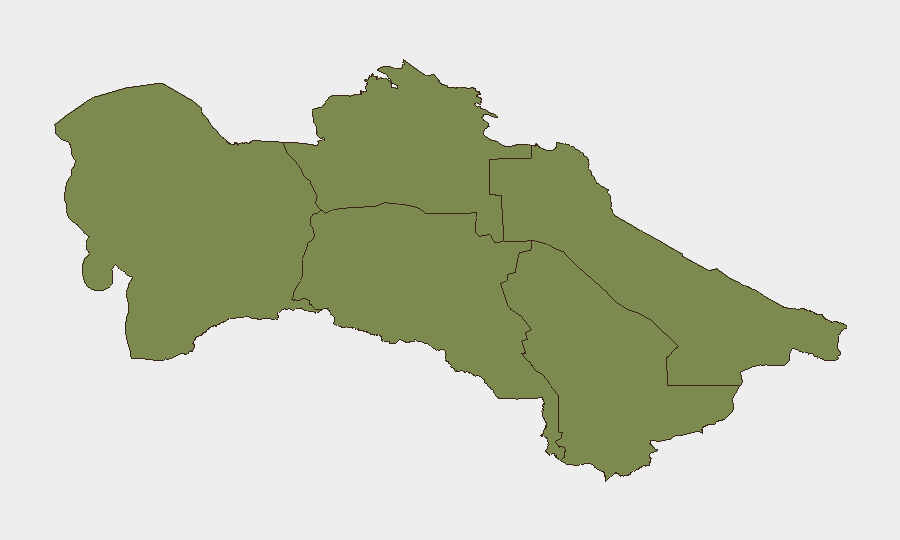
Ashgabat City dominates the risk landscape at 31.8—more than 19 times higher than any other region—reflecting its status as the capital, diplomatic hub, and headquarters for major energy projects (notably PETRONAS operations). Dashoguz Region (16.8) ranks second but remains substantially lower, suggesting localized factors rather than widespread unrest. Balkan, Lebap, Ahal, and Mary regions all score near 1.8, indicating relatively uniform provincial-level baseline risk. For asset protection and personnel duty-of-care purposes, operational focus should concentrate on Ashgabat, with standard precautions applied elsewhere.
How GeoBit Would Assist
Teams managing Turkmenistan exposure should deploy AOI (Area-of-Interest) Monitoring & Early Warning on Ashgabat City and key energy-sector sites to capture emerging civil unrest, protest activity, or infrastructure disruption. Intel Sweep and multi-language OSINT fusion—integrating X/Telegram, local media, and entity-extraction analysis—would provide early signal of diplomatic friction or commercial disputes (such as the PETRONAS statements) before they escalate. Risk & Threat Assessment and Network & Actor Analysis would map relationships among ambassadors, energy firms, and state actors to anticipate operational impact on staff and supply chains.
7-Day Outlook
No acute security developments are forecast for the next seven days based on current signals. Diplomatic and commercial tensions involving ambassadors and PETRONAS merit routine monitoring to detect escalation, but no imminent disruption to business operations or personnel safety is indicated. Standard security protocols for Ashgabat should remain in effect; provincial operations face minimal near-term change.
Highest-Risk Areas — Ranked
| # | State / Region | Risk |
|---|---|---|
| 1 | Ashgabat City | 31.8 |
| 2 | Dashoguz Region | 16.8 |
| 3 | Balkan Region | 1.8 |
| 4 | Lebap Region | 1.8 |
| 5 | Ahal Region | 1.8 |
| 6 | Mary Region | 1.8 |
Sources
Previous Daily Briefs
A new Turkmenistan brief is written every day — each with its own risk map and downloadable CSV. Here's the last week; use the calendar to go further back.
📅 Browse every day by calendar →
Highlighted days have a brief. Tap a day for that day's map & analysis, or “csv” for that day's dataset ($5).
Atlas — our AI intelligence desk — emails them this snapshot personally. Nothing else, no list.