Situation Summary
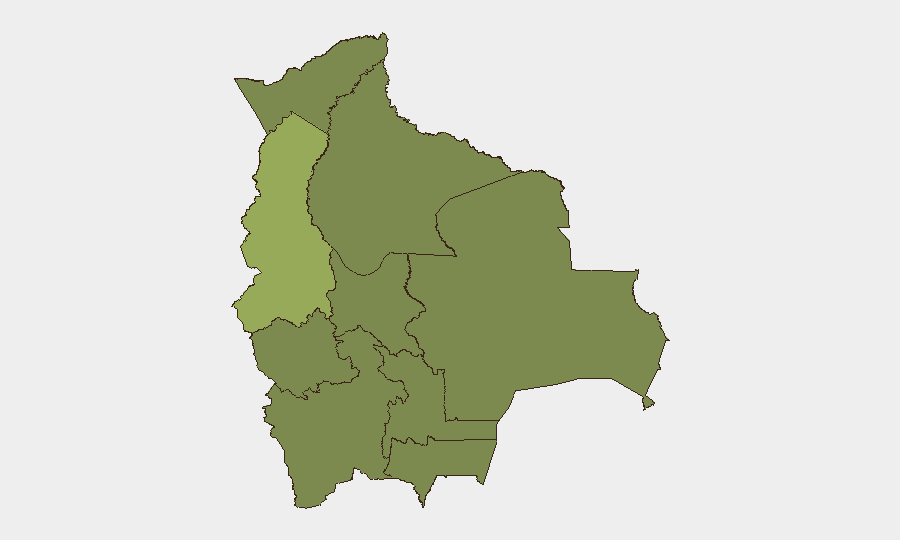
Bolivia remains a moderate-risk environment (rank #52 globally) with a composite threat score of 37 across 124 tracked events. The security picture is dominated by political friction and civil unrest rather than active armed conflict; the most significant indicator is sustained demand-level activity signaling labor, indigenous, or sectoral mobilization against government policy. La Paz carries substantially elevated risk (55.9) relative to other departments, reflecting concentration of political volatility in the capital and administrative heartland.
Key Developments
- 2026-06-28 · Demand action, BOLIVIA vs GOVERNMENT (location: nationwide signal) — Civil society or labor constituencies have lodged formal demands against the government; reporting does not yet specify sector, but aligns with ongoing labor and indigenous mobilization cycles documented in regional social media.
- Social mobilization context (ongoing, not new) — Open-source reporting references approximately 28 days of blockades and mobilizations as of late June, indicating sustained pressure on transport and supply chains; this is a *continuing* condition rather than a new incident, but remains operationally relevant for logistics and movement planning.
- No cross-confirmed violent incidents, armed clashes, or infrastructure attacks in last 24–48 hours — Current event signals show no verified domestic conflict, terrorism, or acute security breakdown specific to Bolivia's territory.
Highest-Risk Areas
La Paz (55.9) is the clear outlier and primary risk concentration, reflecting its role as the seat of government, home to the majority of political decision-making, and the historic flashpoint for indigenous, labor, and student mobilization. Cochabamba (33.9) ranks second and has long been a labor stronghold and flashpoint for highway blockades; the remaining eight departments cluster at moderate risk (25.9), indicating relatively distributed low-grade instability. Risk in La Paz is political and civil-order in nature; risk elsewhere is primarily associated with narcotics trafficking corridors, rural land disputes, and indigenous-settler tensions rather than state instability.
How GeoBit Would Assist
Corporate security and duty-of-care teams operating in Bolivia should employ Intel Sweep and global event feeds to monitor demand-level activity and labor/indigenous calendars that precede blockades; X/Twitter & Telegram OSINT to detect early signals of transport disruption and flashpoint mobilization in La Paz and Cochabamba; and AOI Monitoring with alerting on high-risk departments (especially La Paz and the major highway corridor through Cochabamba) to trigger early warning of roadblocks or supply-chain interruption. Alternative route/journey planning (Routing & Network Analysis) is operationally critical given the history of highway blockades in the region.
7-Day Outlook
Absent new political catalysts or labor escalation, the security environment is likely to remain in a holding pattern of low-grade civil tension and periodic mobilization. Monitor for announcements from indigenous federations, transport unions, and government labor bodies in the first week of July, as these typically signal blockade cycles. Duty-of-care teams should maintain contingency transport and supply buffers, particularly for staff in La Paz and en route to/from Cochabamba.
Highest-Risk Areas — Ranked
| # | State / Region | Risk |
|---|---|---|
| 1 | La Paz | 55.9 |
| 2 | Cochabamba | 33.9 |
| 3 | Potosí | 25.9 |
| 4 | Tarija | 25.9 |
| 5 | Pando | 25.9 |
| 6 | Beni | 25.9 |
| 7 | Oruro | 25.9 |
| 8 | Chuquisaca | 25.9 |
| 9 | Santa Cruz | 25.9 |
Sources
Previous Daily Briefs
A new Bolivia brief is written every day — each with its own risk map and downloadable CSV. Here's the last week; use the calendar to go further back.
📅 Browse every day by calendar →
Highlighted days have a brief. Tap a day for that day's map & analysis, or “csv” for that day's dataset ($5).