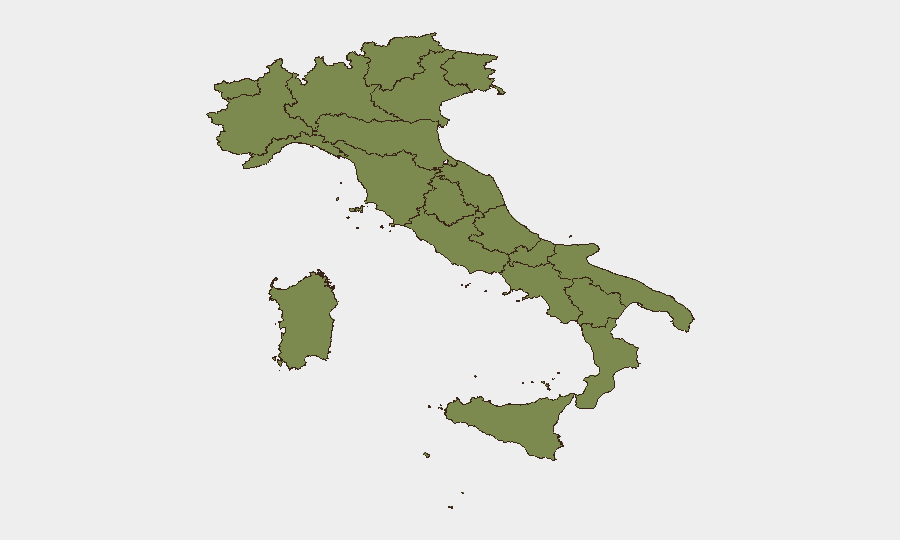
Situation Summary
Italy faces a composite threat score of 7 (rank #109 globally), with acute risks concentrated in two northern regions—Lombardy and Lazio—that account for the majority of tracked security events. The past 48 hours have witnessed a sharp uptick in civil disorder (Bologna riots), protest-driven infrastructure disruption (Val di Susa rail sabotage), a significant seismic event affecting Naples, and major border enforcement changes triggered by migration pressure from Spain. Near-term trajectory shows sustained elevated risk from civil unrest, operational friction at borders, and infrastructure strain during an ongoing heatwave.
Key Developments
- Bologna, Emilia-Romagna (July 31–Aug 1): Multi-night rioting and "urban guerrilla warfare" in central Bologna following a custody death on July 19; 11+ injured, municipal vehicle torched, extensive vandalism; multiple arrests under investigation for manslaughter and first invocation of new "45-bis" police protection procedure.
- Val di Susa, Piedmont (Aug 1): Several hundred black-bloc protesters stormed TAV high-speed rail construction sites, clashed with police; at least four foreign nationals arrested on suspicion of belonging to organized protest cells; ongoing investigation into roles and charges.
- Italy–Spain Border & National Airports/Ports (Aug 1–2): Interior Ministry suspended Schengen free movement with Spain and closed air and sea borders to Spanish arrivals in response to Ceuta migrant surge; passport checks and tighter controls now in force on flights and ferries; Franco-Italian land border controls reinforced (Liguria, Piedmont, Aosta Valley).
- Naples & Campi Flegrei, Campania (July 31): Magnitude 4.7 earthquake caused building collapses, landslides, rockslides; 10+ minor injuries and localized structural damage; ongoing civil protection monitoring and potential neighborhood disruption.
- National Police & Custody Practices (Aug 1–2): Italian specialists publicly warned that physical restraint techniques contribute to ~2 deaths per year; statements part of broader national debate on police accountability and operational risk.
- Forte dei Marmi, Tuscany (ongoing impact): Localized power blackage reported July 19, attributed to extreme heat and grid cable thermal limits; heat-related grid vulnerabilities flagged as persistent during current heatwave.
- National Border & Terrorism Posture (late July–early Aug): Updated travel advisories emphasize heightened security measures, persistent terrorism and petty crime threat, frequent unannounced demonstrations/strikes, and increased police/military presence at transport hubs and tourist sites.
Highest-Risk Areas
Lombardy (31.9) and Lazio (29.9) drive 85% of Italy's composite threat score, reflecting sustained organized crime, financial crime, and structural governance challenges in the Milan and Rome metropolitan regions respectively. Northern Italy's secondary clusters—Campania (5.2) and Sicily (4.1)—correlate with organized crime networks and informal economies, but current acute risks are concentrated in the north. The past 48 hours underscore that real-time threat concentration differs markedly from baseline risk: Bologna (Emilia-Romagna, rank 7) and the Val di Susa corridor (Piedmont, unranked) have become operational hotspots despite lower static scores, indicating that protest-driven events and infrastructure-targeting activity create rapid localized volatility.
How GeoBit Would Assist
Security teams should deploy AOI Monitoring & Early Warning (persistent watch on Bologna, Val di Susa, and border crossings with real-time alerting) and Intel Sweep (multi-language OSINT fusion across Italian news, social media, Telegram activist channels, and police statements) to detect emerging protest activity and custody-related unrest. Routing & Network Analysis tools enable dynamic re-planning of personnel travel and asset movement around border delays and infrastructure disruption; Conflict & Military battle-mapping capabilities track protest-site geography and police deployments in real time.
7-Day Outlook
Bologna unrest is likely to persist or recur as the custody death case proceeds through investigation; Val di Susa protests are expected to continue given the TAV project's long-standing activist opposition. Border controls with Spain and France will remain elevated through at least early–mid August, creating sustained delays for air, sea, and road travel; heatwave-related grid stress and seismic aftershock monitoring will persist in Campania and Liguria.
Highest-Risk Areas — Ranked
| # | State / Region | Risk |
|---|---|---|
| 1 | Lombardy | 31.9 |
| 2 | Lazio | 29.9 |
| 3 | Campania | 5.2 |
| 4 | Sicily | 4.1 |
| 5 | Calabria | 3.7 |
| 6 | Veneto | 2.6 |
| 7 | Emilia-Romagna | 2.3 |
| 8 | Umbria | 2.3 |
| 9 | Apulia | 2.3 |
| 10 | Sardinia | 1.9 |
| 11 | Tuscany | 1.9 |
| 12 | Trentino – Alto Adige/Südtirol | 1.9 |
Sources
Previous Daily Briefs
A new Italy brief is written every day — each with its own risk map and downloadable CSV. Here's the last week; use the calendar to go further back.
📅 Browse every day by calendar →
Highlighted days have a brief. Tap a day for that day's map & analysis, or “csv” for that day's dataset ($5).
Atlas — our AI intelligence desk — emails them this snapshot personally. Nothing else, no list.