Situation Summary
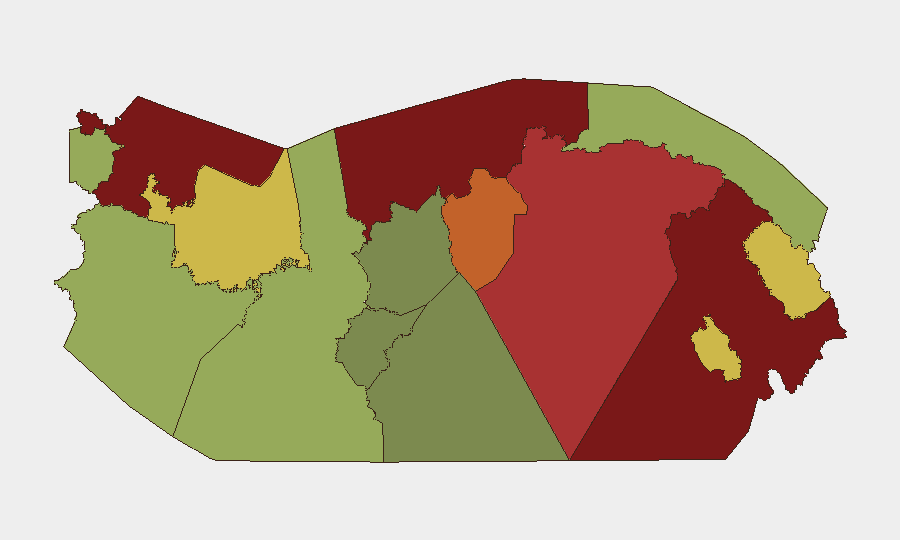
Panama remains at moderate global threat ranking (#50, composite score 35) with chronic, high-intensity organized crime and gang violence concentrated in border and port regions. No major incident has been documented in the past 24–48 hours; the most recent confirmed violence occurred 10–14 August in La Chorrera, Santa Marta, and Colón Province, resulting in multiple fatalities, primarily youth. Institutional vulnerabilities—documented penetration of police and political structures by trafficking networks—continue to underpin persistent risk despite routine counter-crime and counter-narcotics operations. The security environment remains stable but fragmented, with maritime trafficking and localized gang violence posing the primary threats to corporate and expatriate presence.
Key Developments
- Panama (National; Organized Crime & Institutional Integrity) – *17 August 2026* – Analysis confirmed that organized crime networks have penetrated Panamanian police and National Assembly institutions, a structural vulnerability highlighted during concurrent PANAMAX 2026 military exercises focused on Panama Canal security. This reflects ongoing institutional capacity constraints affecting law-enforcement reliability in trafficking and corruption investigations.
- Tocumen International Airport (Panama City; Immigration Regulation) – *Executive Decree, effective mid-August; reported 16–17 August* – Extended transit-visa requirements for Cuban nationals through 30 June 2029 may increase secondary screening delays and congestion at the airport; no travel ban, but planning should account for extended processing times.
- Caribbean Coastal Waters (Bocas del Toro, Colón, Guna Yala; Maritime Safety) – *12–16 August 2026 (warning window)* – National civil protection issued hazard advisory for wave heights of 1.6–3.0 m and rough seas; warning window closed 16 August but reinforces persistent maritime risk for small vessels and water-based operations on the Caribbean coast.
- Panama City & Colón Province (U.S. & Regional Security Cooperation) – *Mid-August announcements, reported 17–18 August* – U.S. officials announced coordinated operations with Colombia, Guatemala, Honduras, and Ecuador against regional criminal groups; while operations focus outside Panama, the statements underscore increased foreign security-force presence and potential for elevated law-enforcement activity near the Canal Zone.
- Coclé Province (Infrastructure; Water Supply) – *14 August 2026* – IDAAN reported sabotage to three of nine water sources in Santo Domingo (Las Tablas), affecting ~300 residents; incident reflects vulnerability of critical infrastructure to gang disruption, though localized impact.
- National (Municipal Curfew) – *14 August 2026* – Mayor Eric Domínguez imposed nightly curfew (20:00–05:00) for minors in Antón cabecera and Río Hato corregimientos, indicating municipal-level response to recent youth homicides and gang-related violence.
Highest-Risk Areas
Darién (risk 95) and Colón (risk 88) dominate the threat landscape, driven by their role as primary transit corridors for cocaine trafficking from Colombia and entry points for contraband destined for North America. Bocas del Toro (82) and Panamá Province (78) follow, with maritime trafficking, gang territorial disputes, and port-facility penetration as core drivers. The Panama Canal Zone and adjacent urban corridors (La Chorrera, Santa Marta, Cerro Batea) experience recurring inter-gang violence and criminal extortion, while border regions and indigenous territories (Ngäbe-Buglé, Emberá-Wounaan) remain conduits for trafficking and smuggling networks.
How GeoBit Would Assist
Corporate security teams would leverage AOI Monitoring & Early Warning to track violence and trafficking activity in real time across Darién, Colón, and port facilities; Network & Actor Analysis to map institutional corruption vulnerabilities and gang leadership; and Maritime & Aviation Tracking to monitor trafficking routes near Bocas del Toro and Colón, integrated with alternative routing and network analysis to support supply-chain and travel planning around high-risk corridors.
7-Day Outlook
No acute escalation is anticipated in the next seven days; however, ongoing gang territorial disputes and drug-trafficking operations will continue to generate localized violence in Colón, Panamá Province, and urban peripheries. Heightened institutional scrutiny and U.S.–regional coordination may temporarily disrupt trafficking logistics, creating secondary enforcement activity and minor delays at Tocumen and port facilities. Monitoring institutional developments and emerging corruption investigations remains essential for assessing medium-term stability and foreign security-force footprint changes.
Highest-Risk Areas — Ranked
| # | State / Region | Risk |
|---|---|---|
| 1 | Darién | 95 |
| 2 | Colón | 88 |
| 3 | Bocas del Toro | 82 |
| 4 | Panamá Province | 78 |
| 5 | Panamá Oeste | 75 |
| 6 | Ngäbe-Buglé | 68 |
| 7 | Emberá-Wounaan | 62 |
| 8 | Veraguas | 58 |
| 9 | Chiriquí | 48 |
| 10 | Naso Tjër Di | 45 |
| 11 | Guna Yala | 42 |
| 12 | Coclé | 35 |
Sources
Previous Daily Briefs
A new Panama brief is written every day — each with its own risk map and downloadable CSV. Here's the last week; use the calendar to go further back.
- August 17, 2026
- August 16, 2026
- August 15, 2026
- August 14, 2026
- August 13, 2026
- August 12, 2026
- August 11, 2026
📅 Browse every day by calendar →
Highlighted days have a brief. Tap a day for that day's map & analysis, or “csv” for that day's dataset ($5).
Atlas — our AI intelligence desk — emails them this snapshot personally. Nothing else, no list.