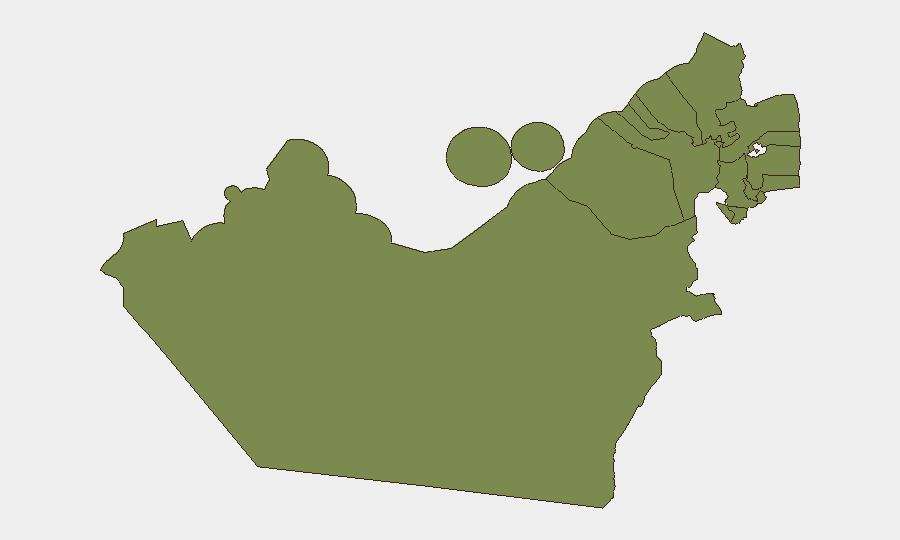
Situation Summary
The United Arab Emirates remains at low composite threat level (rank #88 globally, score 12) with no verified security incidents, civil unrest, or terrorism activity in the past 24–48 hours. Current operational hazards are limited to extreme heat warnings, routine road-safety incidents, and standard emergency responses across emirates. Diplomatic exchanges with Iran and UN statements logged on 2026-07-07 reflect ongoing policy positions rather than acute tensions; the security environment remains stable.
Key Developments
- Ras Al Khaimah – 2026-07-07 – Fatal traffic accident during exam commute. A teenage student died in a vehicle collision while travelling to sit school exams; a companion sustained multiple injuries but stabilized. Classified as emergency incident by national media.
- UAE (federal) – early July 2026 – Extreme heat warnings and public-health advisories in effect. Authorities continue issuing guidance on limiting outdoor labor, hydration, and monitoring vulnerable populations; alerts remain active over the 24–48 hour window.
- UAE (multi-emirate) – ongoing – Routine isolated vehicle collisions and minor fire/emergency responses. Standard public-safety call-outs logged across emirates with no indicators of deliberate attack, organized crime surge, or civil disorder.
- UAE (federal) – 2026-07-07 – Iran-UAE bilateral diplomatic exchanges. Both parties issued mutual rejection statements; no escalation in rhetoric or operational military activity reported.
- UAE (federal) – 2026-07-07 – UAE statement to United Nations. Public position statement logged; no change in international standing or diplomatic crisis indicators.
Highest-Risk Areas
Dubai (score 31.5) and Abu Dhabi Emirate (27.2) account for the majority of tracked threat events and drive the national composite score; both emirates host major international business, transport, and tourism infrastructure, elevating exposure to transnational networks and complex operational environments. Sharjah, Ajman, Ras Al Khaimah, Fujairah, and Umm Al Quwain each register minimal individual risk (1.5), reflecting lower population density, reduced international activity, and lower operational footprint for foreign firms. The concentration of risk in the two largest emirates reflects standard threat distribution in a federation where 80% of corporate and diplomatic presence is centralized; current granular scores do not signal emerging hotspots.
How GeoBit Would Assist
Security teams with personnel or assets in Dubai and Abu Dhabi should deploy AOI Monitoring & Early Warning on high-traffic zones (airports, ports, business districts, embassies) to detect any deviation from baseline activity patterns in near-real time. Intel Sweep and multi-language OSINT (X/Twitter, Telegram, local news feeds, radio SIGINT) provide continuous low-noise detection of political rhetoric, protest mobilization, or criminal-network chatter across all seven emirates. Routing & Network Analysis enables duty-of-care teams to maintain current alternative-journey planning for staff transiting Dubai and Abu Dhabi during heat-alert periods and to avoid accident hotspots identified in emergency feeds.
7-Day Outlook
No material escalation in security posture is forecast over the next seven days. Heat warnings will persist; road-accident frequency may remain elevated during peak commute and travel periods. Diplomatic posturing with Iran will likely continue at the statement level without operational incident. Corporate and NGO operations should maintain standard protocols while flagging any abrupt change in police activity, protest signals, or international rhetoric for immediate re-assessment.
Highest-Risk Areas — Ranked
| # | State / Region | Risk |
|---|---|---|
| 1 | Dubai | 31.5 |
| 2 | Abu Dhabi Emirate | 27.2 |
| 3 | Sharjah Emirate | 1.5 |
| 4 | Ajman Emirate | 1.5 |
| 5 | Ras al-Khaimah | 1.5 |
| 6 | Fujairah Emirate | 1.5 |
| 7 | Umm al-Quwain | 1.5 |
Sources
Previous Daily Briefs
A new United Arab Emirates brief is written every day — each with its own risk map and downloadable CSV. Here's the last week; use the calendar to go further back.
📅 Browse every day by calendar →
Highlighted days have a brief. Tap a day for that day's map & analysis, or “csv” for that day's dataset ($5).
Atlas — our AI intelligence desk — emails them this snapshot personally. Nothing else, no list.