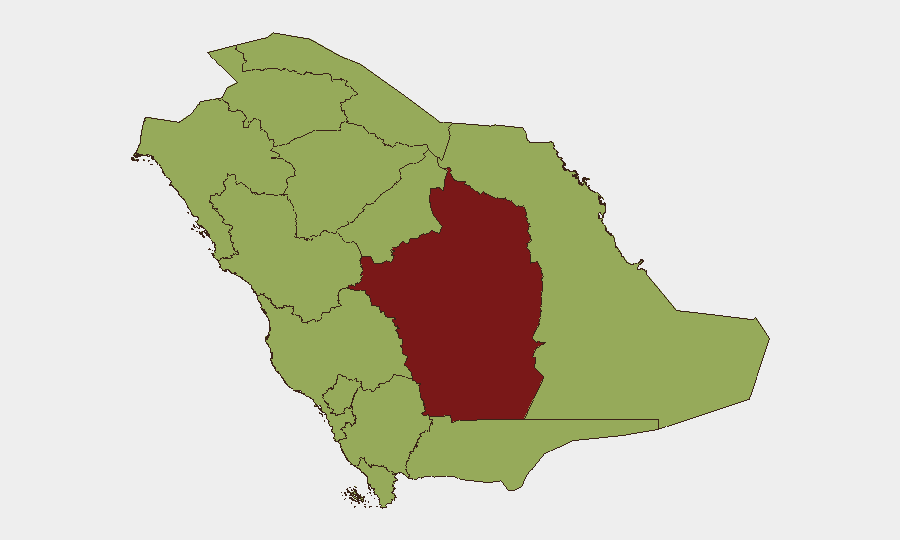
Situation Summary
Saudi Arabia faces an acute escalation in Iran-backed drone and missile strikes targeting energy infrastructure, with over 30 attempted attacks on Riyadh Region and Eastern Province oil facilities in the past 72 hours—all intercepted by air defenses, but sustained and coordinated. The Kingdom has responded with joint U.S. airstrikes on Iranian-aligned militia logistics sites in eastern Iraq, signaling a shift from defensive to active deterrence. Civil Defense alerts in multiple cities (Dammam, Al-Kharj, Yanbu) over the past 48 hours reflect heightened threat perception, and formal Cabinet statements confirm willingness to conduct further responsive strikes. The threat trajectory is escalatory and volatile.
Key Developments
- Eastern Province oil facilities – 28–29 July, continuing into 2 August: Saudi Ministry of Defense confirmed interception of multiple drones launched from Iraq targeting petroleum infrastructure; attribution to Iran-backed militant groups; air-defense systems remain on elevated alert with ongoing surveillance of airspace.
- Riyadh Region energy targets – 28–29 July, continuing into 2 August: Drones from Iraq intercepted over capital region attempting strikes on oil facilities; coordinated with Eastern Province attacks, indicating multi-vector assault on Saudi energy infrastructure.
- 72-hour drone attack cluster – through 30 July: Over 30 IRGC-directed aerial drones targeted Saudi energy sites and U.S. Force locations; all destroyed by air defenses, but scale and repetition signal sustained operational tempo by Iranian proxies.
- Joint Saudi–U.S. airstrikes in Iraq – night of 30–31 July: Saudi Arabia and United States conducted strikes on Iran-aligned militia logistics and weapons storage in eastern Iraq in direct response to drone attack wave; first explicit joint kinetic action in this escalation cycle.
- Dammam Civil Defense alert – within past 48 hours: National Platform for Early Warning issued shelter-in-place instructions to Dammam residents following air-raid sirens; alert lifted shortly after but coincided with concurrent Bahrain sirens and prior weekend alerts in Al-Kharj and Yanbu.
- Saudi Cabinet security statement – 1–2 August: Government publicly stated will "not be lenient" in response to Iran-backed militias in Yemen and Iraq; condemned attacks on oil facilities, commercial Red Sea shipping; committed to decisive and lawful responses.
- Elevated air-defense posture – ongoing through 2 August: Continuous interception operations and civil alerts across multiple provinces indicate sustained defensive readiness and expectation of follow-on attacks.
Highest-Risk Areas
Riyadh Region (risk 81.8) dominates the current threat landscape due to proximity to capital energy infrastructure and demonstrated targeting by Iranian drones; Eastern Province (52.1) is equally critical as the center of Saudi oil production and refining. Both have experienced active drone strikes in the past 48 hours with air-defense activation. Secondary risk is distributed across border regions (Northern Borders, Jazan, Najran) due to terrain vulnerability to cross-border missile/drone ingress and potential for ground-level spillover from Iraq and Yemen. Makkah Region carries religious and symbolic significance but is not currently in the active strike footprint.
How GeoBit Would Assist
Intel Sweep and multi-language OSINT fusion enable real-time tracking of Iranian proxy communications, militia positioning, and drone-launch site activity across Iraq and Yemen. Persistent AOI Monitoring & Early Warning on Riyadh Region and Eastern Province oil facilities—paired with satellite imagery analysis—provides 24–48-hour lead time on staging areas and launch preparations. Conflict & Military mapping combined with routing & network analysis supports duty-of-care teams in planning secure movement corridors and identifying alternative logistics routes avoiding active air-defense zones and elevated-threat infrastructure.
7-Day Outlook
Barring a diplomatic intervention or explicit Iranian restraint signaling, Saudi-led strikes on Iraqi militia sites will likely provoke another cycle of drone attacks within 3–5 days. Risk of unintended escalation to cruise missiles or ballistic drones remains elevated. Commercial aviation, border crossings, and energy-sector personnel should anticipate continued civil-defense alerts and temporary flight/transit disruptions.
Highest-Risk Areas — Ranked
| # | State / Region | Risk |
|---|---|---|
| 1 | Riyadh Region | 81.8 |
| 2 | 'Asir Province | 54.5 |
| 3 | Eastern Province | 52.1 |
| 4 | Northern Borders Province | 51.8 |
| 5 | Makkah Region | 51.8 |
| 6 | Al-Bahah Province | 51.8 |
| 7 | Jazan Province | 51.8 |
| 8 | Najran Region | 51.8 |
| 9 | Tabuk Province | 51.8 |
| 10 | Al Jawf Region | 51.8 |
| 11 | Ḥa'il Province | 51.8 |
| 12 | Medina Province | 51.8 |
Sources
Previous Daily Briefs
A new Saudi Arabia brief is written every day — each with its own risk map and downloadable CSV. Here's the last week; use the calendar to go further back.
📅 Browse every day by calendar →
Highlighted days have a brief. Tap a day for that day's map & analysis, or “csv” for that day's dataset ($5).
Atlas — our AI intelligence desk — emails them this snapshot personally. Nothing else, no list.