Situation Summary
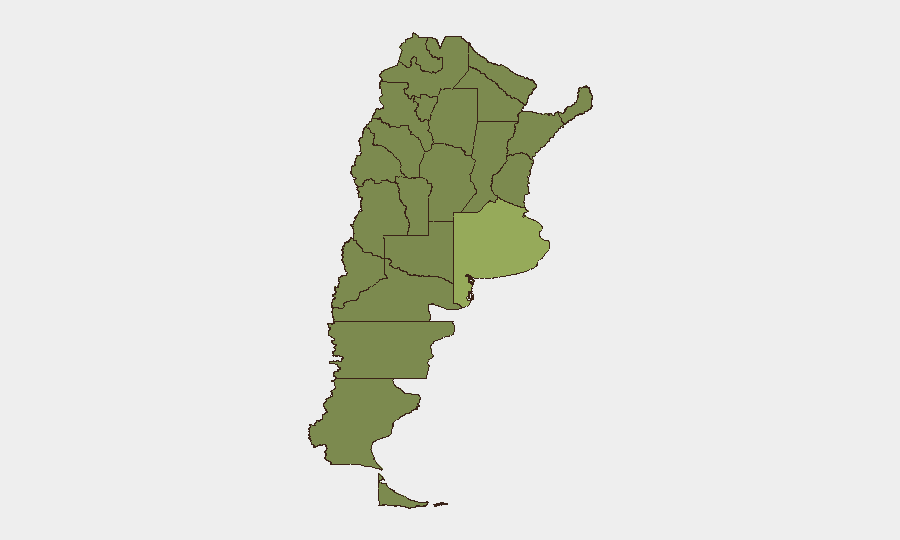
Argentina remains at composite threat rank #39 globally (score 35) with 394 tracked events, reflecting a complex security environment shaped by sustained civil unrest, elevated national alert status (in force since 28 February), infrastructure disruption, and localized labor tensions. Buenos Aires Province dominates the sub-national risk picture (54.4), driven by concentrated crime, gang activity, and policing incidents, while the Autonomous City of Buenos Aires registers moderate risk (30.9) despite being the capital and economic center. The country faces near-term operational challenges from wildfire emergencies in Patagonia, severe weather blocking key border crossings, and recurring protest-driven transport disruption, all occurring under a standing high-alert posture linked to Middle East security concerns.
Key Developments
- Buenos Aires City, 27 July evening – Fan celebrations at the Obelisco following a football match were disrupted by clashes between supporters and police; at least nine arrests reported. Social media documentation confirms police lines and baton use consistent with crowd dispersal operations.
- Cristo Redentor Pass (Argentina–Chile border), Mendoza Province, through 27 July – Polar weather system has deposited approximately 2.5 meters of snow since mid-July; 92 people evacuated and over 800 trucks stranded at the border crossing, creating significant transport and supply-chain risk for cross-border freight and personnel movement.
- Córdoba Province, 27 July – Multi-source indicators flag notably elevated security tension driven by clustering of law-enforcement investigations, administrative activity, and inter-governmental friction over the past 72 hours; no single major incident but pattern consistent with sustained provincial-level unrest.
- Atucha Nuclear Site, Buenos Aires Province, 27 July – Government announced US$1.2 billion modular reactor investment concurrent with a labor dispute at the National Atomic Energy Commission involving proposed layoffs; local reporting indicates worker unrest and union resistance, raising potential for industrial action at critical energy infrastructure.
- National level, ongoing into late July – Strikes, demonstrations, and road blockades ("piquetes") continue to cause intermittent public-transport disruption and occasional violent clashes; foreign travel advisories emphasize unpredictable civil-unrest-related delays in urban centers.
- Patagonia (Chubut, Río Negro, Neuquén, La Pampa), ongoing – State of emergency for large-scale wildfires remains in force with evacuation orders and access restrictions affecting national parks and smaller localities; ongoing high risk to mobility and local infrastructure.
Highest-Risk Areas
Buenos Aires Province (54.4) is the critical concern, reflecting concentration of organized crime, gang activity, and trafficking networks operating in the Greater Buenos Aires metropolitan zone and surrounding corridors. The Autonomous City of Buenos Aires (30.9), despite lower absolute score, remains operationally sensitive due to density of government, business, and international presence; recent fan-related policing incidents illustrate localized flashpoints. Northern provinces (Jujuy, Chaco, Misiones) register elevated risk (28.7–29.1) linked to smuggling, narcotics trafficking (evidenced by the July 23 dismantled cocaine ring), and persistent border insecurity; southern Patagonian provinces face acute wildfire-driven access and infrastructure risk.
How GeoBit Would Assist
Security teams would deploy AOI Monitoring & Early Warning on Buenos Aires Province, Córdoba, and key northern trafficking corridors to detect emerging unrest, police activity, and protest signals in near-real time. Routing & Network Analysis capabilities would identify alternative transportation routes around the Cristo Redentor blockade and wildfire zones, and support contingency planning for supply-chain and personnel movement. Risk & Threat Assessment combined with Intel Sweep (event feeds, OSINT fusion, sentiment analysis) would track labor tensions at Atucha and broader provincial-level friction to provide duty-of-care teams with actionable early warning of infrastructure or operational disruption.
7-Day Outlook
The high national alert level and pattern of recurring unrest suggest continued intermittent civil-unrest risk in urban centers, particularly Buenos Aires. Border and Patagonian access disruptions are likely to persist through the polar event and wildfire season, constraining overland and supply-chain mobility. Atucha labor friction and broader provincial tensions warrant sustained monitoring for potential escalation into broader work actions or infrastructure incidents.
Highest-Risk Areas — Ranked
| # | State / Region | Risk |
|---|---|---|
| 1 | Buenos Aires Province | 54.4 |
| 2 | Autonomous City of Buenos Aires | 30.9 |
| 3 | Jujuy Province | 29.1 |
| 4 | Chaco Province | 29.1 |
| 5 | Misiones | 28.7 |
| 6 | Córdoba | 25.8 |
| 7 | Neuquén Province | 25.6 |
| 8 | Santa Fe Province | 25.5 |
| 9 | Santiago del Estero Province | 25.5 |
| 10 | Catamarca Province | 25.1 |
| 11 | Río Negro Province | 25.1 |
| 12 | Chubut Province | 24.7 |
Sources
Previous Daily Briefs
A new Argentina brief is written every day — each with its own risk map and downloadable CSV. Here's the last week; use the calendar to go further back.
📅 Browse every day by calendar →
Highlighted days have a brief. Tap a day for that day's map & analysis, or “csv” for that day's dataset ($5).
Atlas — our AI intelligence desk — emails them this snapshot personally. Nothing else, no list.