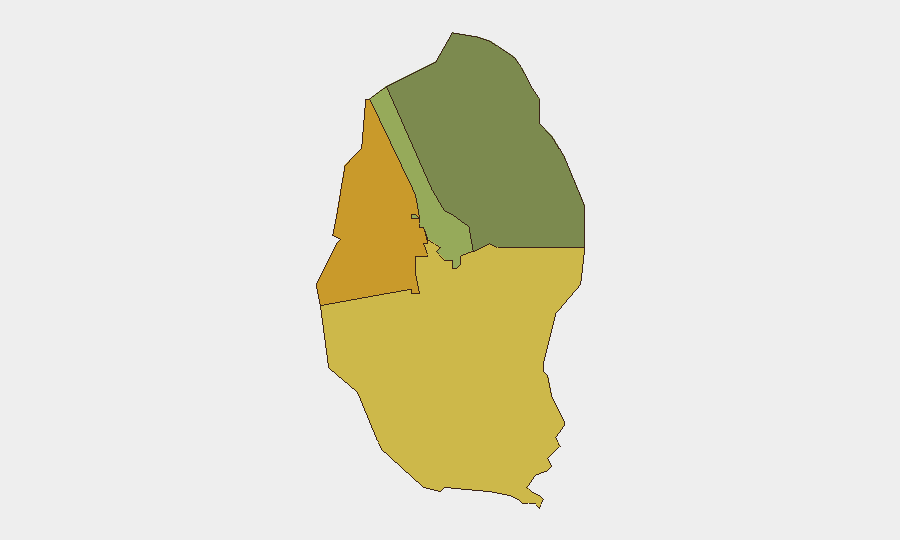
Situation Summary
Bahrain's overall security profile remains low-threat globally (#91, composite score 14), but escalating Iranian pressure and internal state crackdowns are elevating near-term risk. On 8 August, Bahrain reported interception of aerial threats attributed to Iran and condemned an Iranian missile strike on a Gulf tanker, signaling active maritime and airspace tension. Concurrent citizenship revocations (69 individuals) for alleged Iran-sympathizing indicate authorities perceive internal security risks and are using legal measures to contain dissent.
Key Developments
- National level, 8 Aug 2026 — Bahrain Defence Force reported successful interception of aerial threats originating from Iran, indicating active cross-border hostile activity in contested airspace.
- Strait of Hormuz / National level, 8 Aug 2026 — Bahrain's government formally condemned an Iranian missile attack on an ADNOC tanker in the Strait of Hormuz, publicly designating the strike a regional security threat.
- National level, 8 Aug 2026 — Bahrain's authorities stripped 69 individuals of citizenship for allegedly glorifying Iranian attacks, marking a sharp escalation in internal security enforcement against perceived Iran-aligned actors.
Highest-Risk Areas
Northern Governorate (risk 72) and Southern Governorate (risk 68) carry the highest composite risk, driven by historical sectarian tensions, proximity to Iranian maritime and air corridors, and legacy militant activity. Capital Governorate (risk 45)—home to critical government, financial, and port infrastructure—faces secondary risk from potential spillover and dual vulnerability to external air/maritime threats and internal unrest. Muharraq Governorate (risk 38) presents lower but non-negligible risk tied to its strategic location and mixed demographic composition. The gap between the top two regions and the capital reflects both geographic isolation effects and concentrated state security presence in Manama.
How GeoBit Would Assist
Corporate security teams with personnel or assets in Bahrain should employ AOI Monitoring & Early Warning on Northern and Southern Governorate entry/exit routes and critical infrastructure zones to detect security force activity or incident signatures in real time. Maritime & Aviation Tracking paired with Conflict & Military force-structure and weapons-capability monitoring would provide early visibility into Iranian air/naval activity near Bahrain's airspace and territorial waters, enabling duty-of-care escalation and staff movement decisions. Network & Actor Analysis focused on regime-stability indicators and internal dissent networks would help forecast secondary internal security operations (arrests, restrictions) that could affect business continuity or personnel movement.
7-Day Outlook
Bahrain is likely to maintain heightened air-defense posture and maritime patrol intensity in response to Iranian threats; additional interception claims or retaliatory rhetoric are plausible. Internal security measures—checkpoints, travel restrictions, further citizenship actions—may intensify if authorities assess Iran-linked dissent as accelerating. Absent a major escalation in the Strait or direct Iranian strikes on Bahrain proper, the overall risk trajectory will remain elevated but contained within current thresholds.
Highest-Risk Areas — Ranked
| # | State / Region | Risk |
|---|---|---|
| 1 | Northern Governorate | 72 |
| 2 | Southern Governorate | 68 |
| 3 | Capital Governorate | 45 |
| 4 | Muharraq Governorate | 38 |
Sources
Previous Daily Briefs
A new Bahrain brief is written every day — each with its own risk map and downloadable CSV. Here's the last week; use the calendar to go further back.
📅 Browse every day by calendar →
Highlighted days have a brief. Tap a day for that day's map & analysis, or “csv” for that day's dataset ($5).
Atlas — our AI intelligence desk — emails them this snapshot personally. Nothing else, no list.