Situation Summary
Djibouti remains at composite threat rank #87 globally with a moderate risk profile, but regional volatility—particularly renewed Iranian ballistic missile activity in the Gulf and sustained maritime attacks at the Bab el-Mandeb chokepoint—has elevated threat perception among diplomatic missions. Two shelter-in-place directives issued by the U.S. Embassy on 16–17 August (both now lifted) indicate fluctuating assessments of indirect fire risk, though no direct attacks on Djibouti territory have occurred. Current trajectory reflects concern over regional spillover rather than localized deterioration, with shipping and maritime operations at heightened exposure.
Key Developments
- U.S. Embassy shelter-in-place directive (16–17 August): The U.S. Embassy instructed staff and recommended American citizens shelter in place due to "potential incoming threats," then lifted the order before reinstating on 17 August. The dual alerts underscore volatile threat assessment tied to regional missile and drone activity, though no incident materialized on Djibouti soil.
- Iranian ballistic missile detection (19 August): UAE Defence Ministry reported interception of two ballistic missiles launched from Iran, the first such incident since an earlier strike on Fujairah. This regional escalation directly elevates indirect fire risk for Djibouti's strategic position at the Bab el-Mandeb chokepoint.
- Tanker strike in Strait of Hormuz (19 August): A fatal projectile strike on the *Minoan Dignity* highlights sustained commercial shipping attacks at both Hormuz and Bab el-Mandeb, affecting route diversions through Djibouti and raising crew and cargo risk for maritime assets calling at Djibouti ports.
- Ship congestion in Djibouti due to Mocha corridor disruption (referenced 16 August): Vessels remain stranded in Djibouti unable to transit to Mocha (Yemen) due to repeated targeting of the Red Sea corridor, constraining cargo flow and extending port dwell times.
- MQ-9 Reaper crash at Chabelley Airfield (9 August): U.S. military unmanned aircraft crashed near the airfield; AFRICOM attributed the loss to mechanical failure with no evidence of hostile action. This underscores sustained U.S. military flight operations in Djibouti amid elevated regional threat.
Highest-Risk Areas
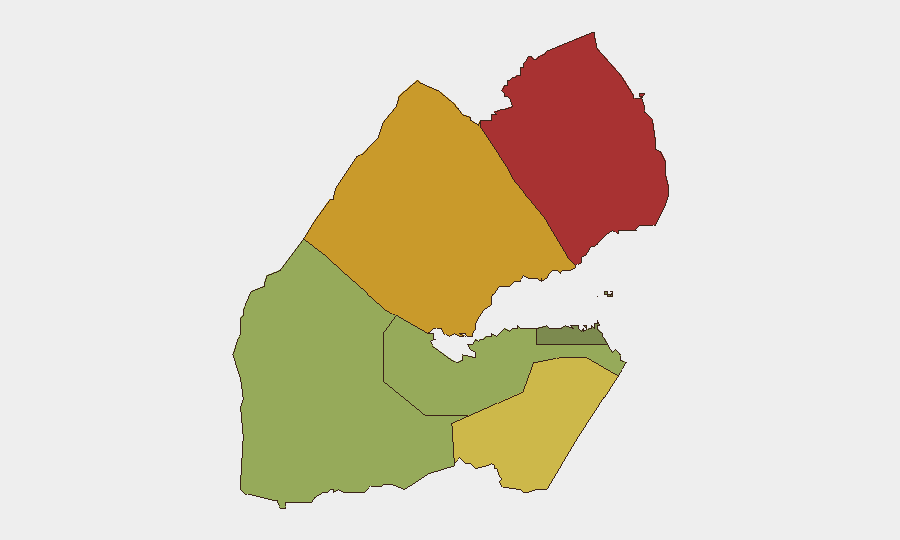
Obock and Tadjourah regions carry the highest sub-national risk (78 and 72, respectively), driven primarily by proximity to Yemen and exposure to cross-border militant activity, smuggling, and maritime interdiction operations. Ali Sabieh (risk 65) faces similar exposure along the Somaliland border. Djibouti City itself (risk 35) carries lower risk but remains the diplomatic and commercial hub most exposed to regional indirect fire and maritime disruption; current shelter-in-place alerts reflect this exposure to Gulf-Red Sea regional threats rather than localized insurgency.
How GeoBit Would Assist
Corporate security teams should leverage GeoBit's AOI Monitoring & Early Warning capability to track persistent threat signals in Obock and Tadjourah with automated alerting on cross-border activity and maritime incidents. Maritime & Aviation tracking combined with Routing & Network Analysis would support real-time diversion planning and crew-risk assessment for vessels calling at Djibouti ports amid Bab el-Mandeb and Hormuz chokepoint pressure. Conflict mapping and multi-language OSINT (X, Telegram, regional news) should monitor Iranian and Yemen-linked militia messaging for escalation signals that could trigger new shelter-in-place directives or indirect fire risk.
7-Day Outlook
Regional ballistic and maritime threat activity is likely to remain elevated over the next week, with potential for additional shelter-in-place alerts in Djibouti City if Iranian or Yemen-linked strikes resume. Shipping congestion and route diversions are expected to persist, affecting port operations and crew rotation schedules. No escalation to direct ground-based attack on Djibouti is indicated, but indirect fire risk and maritime interdiction should remain factored into duty-of-care decisions.
Highest-Risk Areas — Ranked
| # | State / Region | Risk |
|---|---|---|
| 1 | Obock | 78 |
| 2 | Tadjourah | 72 |
| 3 | Ali Sabieh | 65 |
| 4 | Arta | 48 |
| 5 | Dikhil | 42 |
| 6 | Djibouti | 35 |
Sources
Previous Daily Briefs
A new Djibouti brief is written every day — each with its own risk map and downloadable CSV. Here's the last week; use the calendar to go further back.
- August 17, 2026
- August 15, 2026
- August 13, 2026
- August 11, 2026
- August 9, 2026
- August 7, 2026
- August 6, 2026
📅 Browse every day by calendar →
Highlighted days have a brief. Tap a day for that day's map & analysis, or “csv” for that day's dataset ($5).
Atlas — our AI intelligence desk — emails them this snapshot personally. Nothing else, no list.