Situation Summary
Bahrain remains a low absolute-threat country (global rank #102, composite score 14), but the security environment has sharply contracted due to sustained maritime attacks in the Strait of Hormuz and escalating internal security crackdowns. Regional tensions—driven by Iranian-backed strikes on commercial and military shipping—are prompting heightened law-enforcement activity, citizenship revocations, and religious-community targeting within Bahrain's borders. There are no reported mass protests or street-level violence inside Bahrain as of 15 August, but corporate and diplomatic personnel face elevated exposure through maritime operations and air-route disruptions.
Key Developments
- Strait of Hormuz, 14 August evening (20:00 UTC): A bulk carrier sustained hull damage from an unknown projectile; UK Maritime Trade Organisation confirmed the strike with no crew casualties, but incident elevates risk for all commercial vessels transiting Bahrain's primary sea lanes.
- Strait of Hormuz, 14 August evening: ADNOC confirmed a second attack on one of its tankers in two consecutive days; vessel sustained damage but no injuries reported. Attack occurred during westbound transit near Bahrain's sphere of maritime responsibility.
- Manama (Foreign Ministry), 14–15 August: Bahrain's government formally condemned Iranian attacks on UAE oil tankers, classified incidents as "terrorist attacks," and signalled heightened political-security posture; statements reflect official escalation of regional threat language.
- Bahrain (nationwide), 14 August: Authorities announced stripping of citizenship from 69 individuals for allegedly "glorifying" Iranian attacks—a significant internal-security measure targeting political dissent and indicating tighter domestic enforcement.
- Manama (religious/community), 15 August: Security services arrested the director of Ansar al‑Adala Hussainiya following Arbaeen mourning ceremonies, part of a broader campaign against Shiite religious activities; potential for localized community friction.
- Bahrain International Airport, 15 August: Emirates resumed limited Dubai–Bahrain service (EK839) after weeks of cancellations; two other Emirates routes remain suspended and Etihad has three services cancelled through 21 August, signalling partial normalization with persistent caution.
- US Naval Base, Bahrain (ongoing context since earlier conflict phase): Earlier Iranian strikes forced US Navy carrier-supply rerouting to Diego Garcia; logistical vulnerability of the base continues to feature in current regional risk assessments, though no new attack reported in last 48 hours.
Highest-Risk Areas
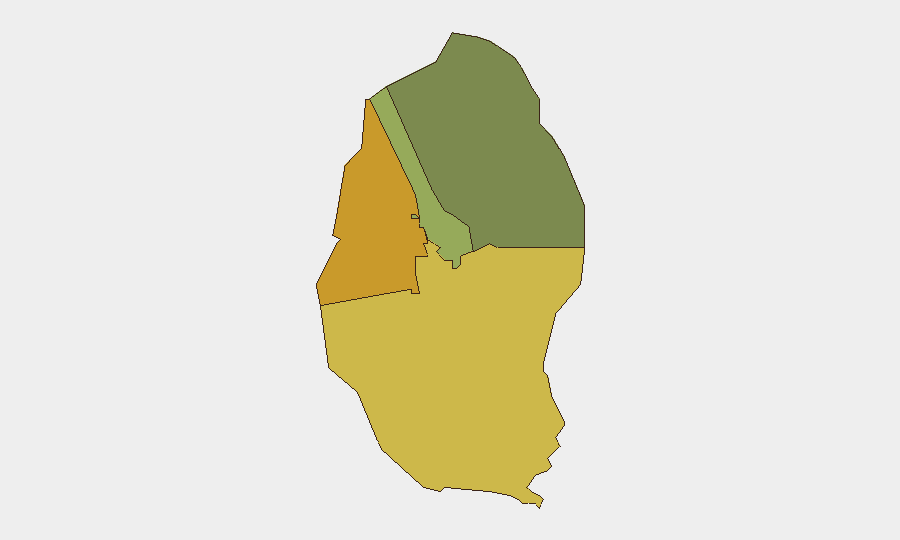
Northern and Southern Governorates (risk scores 72 and 68) dominate sub-national threat rankings, likely driven by proximity to maritime chokepoints, Iranian-aligned communities, and historical protest activity. Capital Governorate (score 45), which includes Manama and government institutions, faces elevated risk from targeted law-enforcement actions and political tensions, while Muharraq Governorate (38) shows lower but still-material exposure. The concentration of risk in peripheral and northern regions reflects maritime/sectarian fault lines rather than central-city instability.
How GeoBit Would Assist
Security teams should employ Maritime & Aviation Tracking and AOI Monitoring & Early Warning to watch shipping patterns through the Strait of Hormuz and flag anomalies or attack trends in real time. Network & Actor Analysis combined with OSINT fusion (X/Twitter, Telegram, regional media) would provide early signals of citizenship revocations, security-force movements, or community unrest before they escalate. Routing & Network Analysis capabilities enable alternative journey planning for personnel and supply chains bypassing maritime chokepoints or disrupted air routes.
7-Day Outlook
Maritime attack frequency and regional escalation dynamics will likely drive near-term risk trajectory more than internal instability. Partial resumption of air links suggests cautious commercial normalization, but further Strait incidents could trigger additional flight cancellations and tighter internal-security measures. Monitor for additional citizenship actions, religious-community friction, or statements from Bahraini authorities on Iran—each may signal further domestic enforcement or political repositioning.
Highest-Risk Areas — Ranked
| # | State / Region | Risk |
|---|---|---|
| 1 | Northern Governorate | 72 |
| 2 | Southern Governorate | 68 |
| 3 | Capital Governorate | 45 |
| 4 | Muharraq Governorate | 38 |
Sources
Previous Daily Briefs
A new Bahrain brief is written every day — each with its own risk map and downloadable CSV. Here's the last week; use the calendar to go further back.
- August 13, 2026
- August 11, 2026
- August 9, 2026
- August 7, 2026
- August 6, 2026
- August 5, 2026
- August 4, 2026
📅 Browse every day by calendar →
Highlighted days have a brief. Tap a day for that day's map & analysis, or “csv” for that day's dataset ($5).
Atlas — our AI intelligence desk — emails them this snapshot personally. Nothing else, no list.