Situation Summary
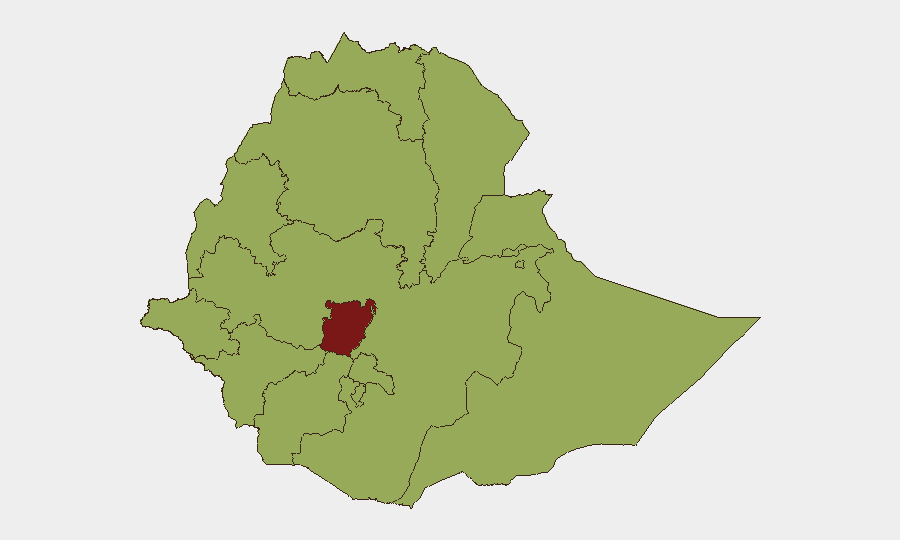
Ethiopia remains in active civil conflict with a composite threat score of 85 (rank #13 globally), driven primarily by intercommunal and state-military violence. The most recent corroborated incident is a large Tigrayan protest in Addis Ababa on 18 July demanding enforcement of the Pretoria Cessation of Hostilities Agreement (CoHA) and an end to forced recruitment. Central Ethiopia Regional State carries the highest sub-national risk (89.6), suggesting either recent escalation or sustained violence intensity in that zone. The security trajectory remains volatile with sporadic clashes, governance instability, and unresolved post-conflict implementation gaps.
Key Developments
- Addis Ababa, 18 July 2026: Thousands of Tigrayan demonstrators assembled at Meskel Square for a public rally titled "Stop the Abductions; Let Peace Prevail," explicitly calling for full implementation of the Pretoria CoHA and an end to alleged forced recruitment and abductions in Tigray.
- Central Ethiopia Regional State, ongoing: Ranked as the highest-risk sub-national zone (89.6) with active conflict signals; specific 24–48 hour incident confirmation is not available in current corroborated sources, but the elevated ranking indicates sustained or recent escalation.
- Tigray region, coercive recruitment pattern: Since at least April 2026, credible reporting describes systematic forced recruitment and child abductions by authorities; this remains an active grievance fueling civil unrest and is not resolved.
- Ethiopia–Sudan border / Benishangul-Gumuz, 17 July 2026 (unconfirmed): Video reporting alleged destruction of the Kumruk bridge on the B40 highway in cross-border fighting; this is not yet corroborated by independent text-source verification and should be treated as a high-priority monitoring target rather than confirmed fact.
- Marburg virus disease (recent reporting): Two separate alerts flagged Marburg cases in Ethiopia; concurrent malaria reporting indicates health-system stress and potential humanitarian complications across conflict zones.
- IMF rejection and governance demand signals, 18–19 July: Event data shows rejection of International Monetary Fund engagement and formal demands on governance, suggesting internal political friction alongside security fragmentation.
Highest-Risk Areas
Central Ethiopia Regional State dominates the risk landscape at 89.6, indicating either recent violence escalation or sustained intensity that distinguishes it from other regions. Tigray, Amhara, Afar, Benishangul-Gumuz, and Somali regions are all clustered at 59.6 and remain destabilized by ongoing intercommunal clashes, forced recruitment, cross-border spillover from Sudan, and incomplete CoHA implementation. Addis Ababa's equal ranking (59.6) reflects political instability and protest activity rather than large-scale combat, but underscores the capital's vulnerability to rapid escalation. Risk concentration along northern and eastern borders (Sudan, Eritrea, Kenya) suggests cross-border arms flows, refugee pressures, and ungoverned space remain persistent drivers.
How GeoBit Would Assist
Security teams should deploy Intel Sweep and multi-language OSINT fusion to monitor Tigray coercive recruitment claims, Addis Ababa protest signals, and Sudan border dynamics in real time. AOI Monitoring & Early Warning with persistent watch on Central Ethiopia Regional State, Benishangul-Gumuz, and the Kumruk bridge crossing would provide 48–72 hour lead notice of escalation. Conflict & Military battle mapping and Network & Actor Analysis would clarify belligerent force disposition and CoHA compliance violations, enabling targeted duty-of-care decisions for personnel in high-risk zones.
7-Day Outlook
The failure of forced recruitment mechanisms and public protest pressure may trigger either security force crackdowns or accelerated CoHA implementation within 7 days. Central Ethiopia Regional State and border zones warrant heightened watch for military activity. Health crises (Marburg, malaria) combined with political friction create conditions for rapid humanitarian deterioration if violence spreads.
Highest-Risk Areas — Ranked
| # | State / Region | Risk |
|---|---|---|
| 1 | Central Ethiopia Regional State | 89.6 |
| 2 | Tigray | 59.6 |
| 3 | Amhara Region | 59.6 |
| 4 | Afar Region | 59.6 |
| 5 | Benishangul-Gumuz Region | 59.6 |
| 6 | Somali Region | 59.6 |
| 7 | Gambela Region | 59.6 |
| 8 | South West Ethiopia Peoples | 59.6 |
| 9 | Addis Ababa | 59.6 |
| 10 | South Ethiopia Regional State | 59.6 |
| 11 | Oromia Region | 59.6 |
| 12 | Sidama | 59.6 |
Sources
Previous Daily Briefs
A new Ethiopia brief is written every day — each with its own risk map and downloadable CSV. Here's the last week; use the calendar to go further back.
📅 Browse every day by calendar →
Highlighted days have a brief. Tap a day for that day's map & analysis, or “csv” for that day's dataset ($5).
Atlas — our AI intelligence desk — emails them this snapshot personally. Nothing else, no list.