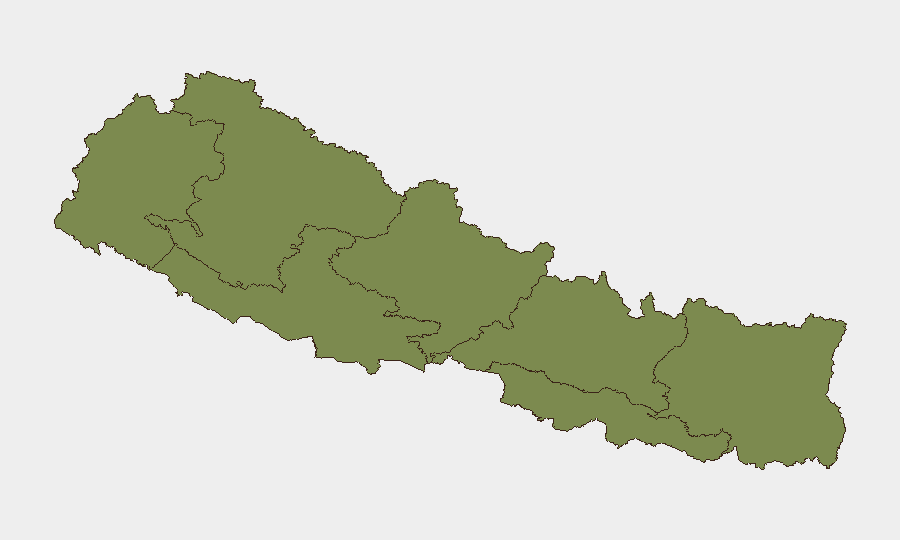
Situation Summary
Nepal's security posture remains stable but under localized strain following the July 14 self-immolation of a 25-year-old in central Kathmandu and ongoing squatter evictions that have galvanized youth-led protests. Police have maintained visible but non-lethal security deployments in the capital's administrative core without escalation to mass clashes in the past 48 hours. The government's formation of a probe committee and parliamentary engagement signal procedural containment rather than institutional breakdown, though political friction and reputational pressure persist. Routine law-enforcement activity across eastern and western districts continues, with drug-related arrests indicating low-level criminal activity independent of the protest dynamic.
Key Developments
- Kathmandu, Maitighar & Tripureshwor (July 15–16): Youth-led anti-government protests over Ganesh Nepali's death and eviction policy continued with vigils and activist gatherings; police maintained identity checks and traffic controls in the protest corridor with no credible reports of fresh large-scale clashes.
- Kathmandu (July 15–16): The government's five-member probe committee, led by DIG Govinda Thapaliya, remained active investigating the self-immolation case; Home Minister addressed Parliament, indicating sustained political engagement and reputational management by the administration.
- Kathmandu holding centres & informal settlements (July 15–16): Squatter eviction dispute continued at relocation sites with families resisting displacement; activists cited inhuman conditions but no new mass-eviction operations were reported during the past 24 hours.
- Bagmati Province urban areas (July 15–16): Security posture described as heightened but stable, with increased police checkpoints and deployments in central administrative zones to deter unrest; no fresh violence recorded.
- Multiple districts—Siraha, Jhapa, Jumla, Rupandehi, Morang, Sunsari, Dang, Kapilvastu, Tanahun, Kathmandu (July 14–16): Police arrested 20 individuals on drug-related charges over two days, seizing hashish, heroin, marijuana, and controlled medicines during routine patrols across eastern and western regions.
Highest-Risk Areas
Bagamati Province (composite risk 32) dominates the national threat picture, driven by Kathmandu's concentration of government, media, and protest activity centered on the self-immolation case and eviction tensions. Koshi Province (risk 5.1) and Lumbini Province (risk 4) register secondary but measurable risk, likely reflecting routine crime, labor, and cross-border vulnerabilities; Gandaki, Madhesh, and the western provinces remain low-risk. Corporate and humanitarian personnel should anticipate continued localized disruption in Kathmandu's core districts (Maitighar, Tripureshwor) due to activist gatherings, but broader provincial risk outside Bagamati remains constrained.
How GeoBit Would Assist
Security teams monitoring Nepal should employ AOI Monitoring & Early Warning for persistent watch of Kathmandu's sensitive administrative zones (Maitighar, Department of Passports, holding centres) to detect protest escalation or eviction operations in real time. OSINT Fusion & Corroboration across X/Twitter, Telegram, and local media feeds, combined with Sentiment & Temporal Analysis, would disambiguate protest rhetoric from genuine violence signals and track political mood shifts ahead of parliamentary or police decisions. Network & Actor Analysis of protest leadership, government actors, and judicial players would clarify decision-making patterns and accountability mechanisms driving the probe committee's trajectory.
7-Day Outlook
Kathmandu's protest activity is likely to persist at current low-to-moderate intensity over the next week, contingent on the probe committee's findings and any new eviction announcements. Police deployments should remain visible but non-lethal, and political actors will likely pursue procedural responses (parliamentary debate, committee updates) to manage public anger without triggering emergency measures. Risk of sudden escalation remains localized to central Kathmandu rather than spreading to provincial areas, provided the government avoids aggressive security interventions or dismissal of the inquiry.
Highest-Risk Areas — Ranked
| # | State / Region | Risk |
|---|---|---|
| 1 | Bagamati Province | 32 |
| 2 | Koshi Province | 5.1 |
| 3 | Lumbini Province | 4 |
| 4 | Gandaki Province | 3 |
| 5 | Madhesh Province | 3 |
| 6 | Sudurpashchim Province | 2 |
| 7 | Karnali Province | 2 |
Sources
Previous Daily Briefs
A new Nepal brief is written every day — each with its own risk map and downloadable CSV. Here's the last week; use the calendar to go further back.
📅 Browse every day by calendar →
Highlighted days have a brief. Tap a day for that day's map & analysis, or “csv” for that day's dataset ($5).
Atlas — our AI intelligence desk — emails them this snapshot personally. Nothing else, no list.