Situation Summary
Mauritius remains a low-threat environment with no confirmed acute security incidents, civil unrest, or infrastructure disruptions as of 24 August 2026. Baseline urban crime—primarily armed robbery and petty theft—remains concentrated in Port Louis and Plaines Wilhems, but poses routine rather than escalating risk to corporate operations and personnel. A recent legal development tightening penalties for unlawful public gatherings signals a more restrictive domestic political climate, though this reflects policy change rather than active unrest. The overall security trajectory is stable with no indicators of imminent deterioration.
Key Developments
- National (Legal/Policy) – 21 August 2026: The government proposed amendments to the Public Gatherings Act to increase maximum fines for unlawful assemblies from Rs 25,000 to Rs 100,000 and extend maximum prison sentences from four to five years. This development, reported on 24 August 2026, reflects a tightening of protest and assembly regulations and may increase legal and operational risk for any organizations involved in or exposed to public gatherings.
- Mauritius (General Security Status) – through 22 August 2026: National security monitoring confirms no tracked discrete events in the current assessment window and explicitly notes absence of political instability, civil unrest, or coordinated security incidents. Routine crime baseline persists without evidence of recent spikes in the last 24–48 hours.
- Port Louis & Plaines Wilhems – through 18 August 2026 (recent baseline): Armed robbery and petty crime remain the primary security indicators in high-risk districts, with no new physical-security, civil-unrest, or infrastructure-disruption events confirmed in the most recent monitoring window.
Note: Open-source monitoring for Mauritius in the 24–48 hours preceding 24 August 2026 has not surfaced corroborated discrete incidents (e.g., protests, major crimes, infrastructure failures, or political events). The legal amendment regarding public gatherings is the most substantive development in the immediate reporting cycle.
Highest-Risk Areas
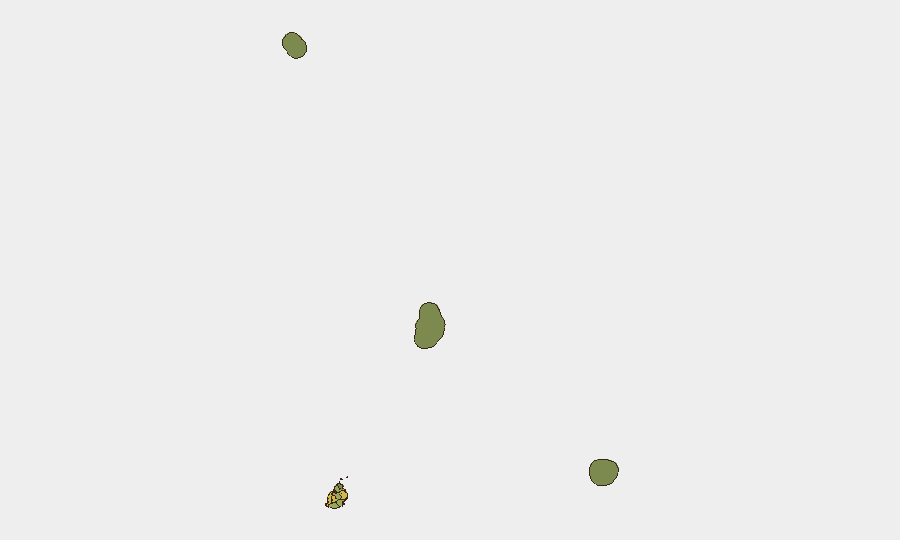
Port Louis (risk score 92) dominates the threat landscape, driven by concentrated urban crime and as the seat of government and commercial hub. Plaines Wilhems (68) and Black River (65) follow, reflecting similar patterns of armed robbery, theft, and property crime typical of urban and semi-urban zones. These three districts account for the bulk of routine security exposure; Flacq, Grand Port, and Moka (scores 62, 58, 52 respectively) represent secondary risk clusters, while outer districts and the island of Rodrigues show markedly lower threat levels (38 and 22). Risk correlates closely with population density and economic activity rather than indicators of organized violence or large-scale instability.
How GeoBit Would Assist
Security teams operating in or responsible for Mauritius would deploy OSINT fusion & corroboration and multi-language open-source monitoring (social media, local media outlets, government announcements) to detect early signals of civil unrest, crime spikes, or infrastructure incidents before they escalate. AOI (area-of-interest) monitoring with alerting on Port Louis, Plaines Wilhems, and other high-risk districts would provide persistent watch capability for protests, roadblocks, or localized security incidents affecting personnel movement or supply chains. Routing & network analysis would enable real-time alternative route planning for personnel and logistics should routine corridors become unsafe or blocked.
7-Day Outlook
No acute security triggers are forecast for the next seven days. The tightening of public-assembly regulations may gradually shift the risk profile for politically sensitive events or labor actions, but current indicators suggest routine crime will remain the primary operational exposure. Continued baseline monitoring of Port Louis and secondary risk districts is advisable; any significant policy enforcement action or protest mobilization would require rapid OSINT confirmation and updated routing guidance for personnel and assets.
Highest-Risk Areas — Ranked
| # | State / Region | Risk |
|---|---|---|
| 1 | Port Louis | 92 |
| 2 | Plaines Wilhems | 68 |
| 3 | Black River | 65 |
| 4 | Flacq | 62 |
| 5 | Grand Port | 58 |
| 6 | Moka | 52 |
| 7 | Savanne | 48 |
| 8 | Pamplemousses | 45 |
| 9 | Rivière du Rempart District | 38 |
| 10 | Rodrigues | 22 |
| 11 | Saint Brandon | 8 |
| 12 | Agaléga | 5 |
Sources
Previous Daily Briefs
A new Mauritius brief is written every day — each with its own risk map and downloadable CSV. Here's the last week; use the calendar to go further back.
- August 22, 2026
- August 20, 2026
- August 18, 2026
- August 16, 2026
- August 14, 2026
- August 12, 2026
- August 10, 2026
📅 Browse every day by calendar →
Highlighted days have a brief. Tap a day for that day's map & analysis, or “csv” for that day's dataset ($5).
Atlas — our AI intelligence desk — emails them this snapshot personally. Nothing else, no list.