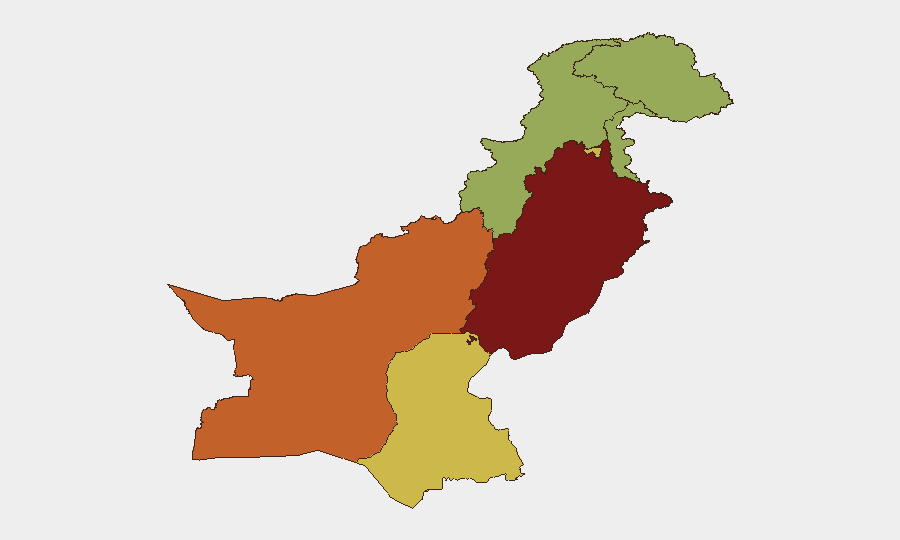
Situation Summary
Pakistan's composite threat score remains elevated at 79 (rank #24 globally), driven by a sharp escalation in militant activity in Balochistan over the past 48 hours. Since 6 July, Pakistani security forces have reported 42 personnel killed across three major attacks attributed to Tehreek-e-Taliban Pakistan (TTP), with 54 insurgents killed in response operations. This cycle of attack and counter-operation, combined with emerging civil unrest and detention-system tensions, signals a deteriorating security environment with immediate implications for overland travel, critical infrastructure, and institutional stability.
Key Developments
- Ziarat district, Balochistan – 7–8 July (overnight, local): Gunmen attacked a police post guarding Mangi Dam construction, killing at least nine officers including two seniors. TTP claimed responsibility, stating 20+ personnel were killed or wounded; militants seized weapons and destroyed/commandeered vehicles. Abducted officers subsequently killed; some remain missing.
- Balochistan highway, southwestern region – 8 July: Insurgents ambushed a military vehicle, killing 11 soldiers. Lt. Gen. Ahmed Sharif Chaudhry identified this as one of three "major terrorist incidents" in four days, linking it to the same militant escalation.
- Quetta outskirts, Balochistan – 8 July (reported): Militants targeted non-combatants, killing four civilians as part of the same operational series.
- Ziarat vicinity, national highway – 7 July: Local road blockades and public protests emerged following the Mangi Dam attack, with communities condemning security failures. Traffic disruptions and potential for confrontations during security clearance operations reported.
- Nationwide detention-system tension – 7 July: Ministry-level statement on prison conditions flagged elevated risk of corrections-facility instability and unrest, with soft-security implications for institutional visitors and personnel.
- Lahore & diplomatic channels – 6–7 July: U.S. public statement on Lahore security concerns and tensions involving a U.S. envoy contributed to elevated risk of urban protests and anti-foreign sentiment in major cities.
Highest-Risk Areas
Punjab (85.1) and Balochistan (73.7) remain the primary drivers of national risk. Balochistan's score reflects the current TTP offensive and proven militant capability to coordinate multi-target attacks on security infrastructure, highways, and civilian areas within a 48-hour window. Punjab's elevated ranking reflects institutional, political, and cross-border tensions; the recent diplomatic incidents in Lahore underscore vulnerability to rapid protest mobilization. Sindh (65.2) and Islamabad Capital Territory (62.3) carry secondary but sustained risk from urban unrest, criminal activity, and institutional friction. Remote regions—Khyber Pakhtunkhwa, Azad Kashmir, and Gilgit-Baltistan—remain moderate-risk zones characterized by border instability and sporadic militant presence.
How GeoBit Would Assist
Security teams operating in Pakistan would benefit from AOI Monitoring & Early Warning to track Balochistan's Ziarat district, highways, and Quetta periphery for follow-on militant activity and protest dynamics. Conflict & Military capabilities—including force structure and weapons tracking—enable real-time assessment of TTP operational tempo and Pakistani military response patterns. Routing & Network Analysis supports identification of safer overland corridors and alternative travel paths around active threat zones, while OSINT fusion & corroboration (X, Telegram, local-language sources) provides situational updates faster than formal channels.
7-Day Outlook
Balochistan faces continued militant pressure and security-force counter-operations through mid-July; road closures, checkpoints, and potential for civilian disruption remain high. Urban protest risk in Punjab and Lahore may escalate if diplomatic tensions persist or if casualty narratives dominate local media. Expect elevated vigilance at detention facilities and border areas, with potential for secondary incidents as TTP and other groups respond to military actions.
Highest-Risk Areas — Ranked
| # | State / Region | Risk |
|---|---|---|
| 1 | Punjab | 85.1 |
| 2 | Balochistan | 73.7 |
| 3 | Sindh | 65.2 |
| 4 | Islamabad Capital Territory | 62.3 |
| 5 | Khyber Pakhtunkhwa | 58.9 |
| 6 | Azad Kashmir | 56.7 |
| 7 | Gilgit-Baltistan | 55.1 |
Sources
Previous Daily Briefs
A new Pakistan brief is written every day — each with its own risk map and downloadable CSV. Here's the last week; use the calendar to go further back.
📅 Browse every day by calendar →
Highlighted days have a brief. Tap a day for that day's map & analysis, or “csv” for that day's dataset ($5).
Atlas — our AI intelligence desk — emails them this snapshot personally. Nothing else, no list.