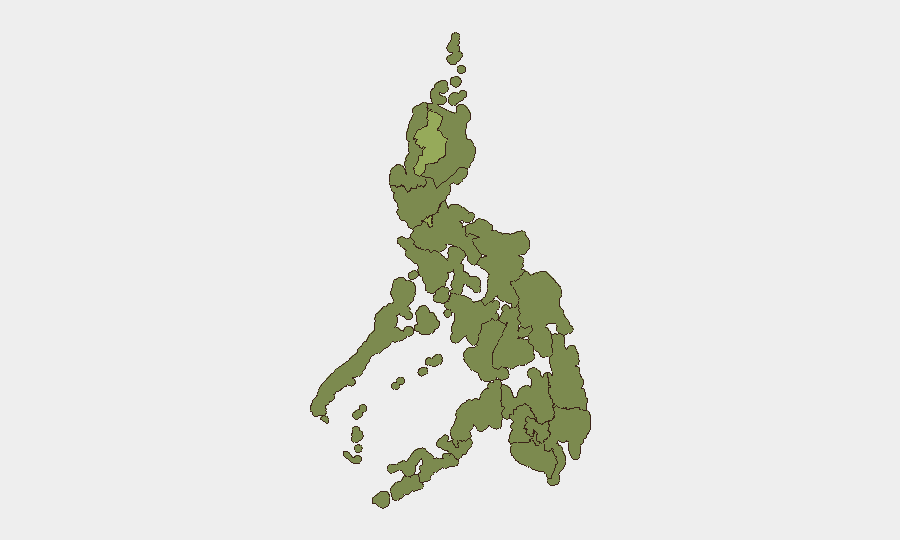
Situation Summary
The Philippines remains a moderate-risk environment (global rank #45, composite score 37) with acute concentration in Metro Manila, which has experienced two confirmed explosive incidents in the past 24 hours targeting sensitive government facilities. The broader security posture reflects structural vulnerabilities in Mindanao and persistent organized-crime and insurgent-group activity, but current momentum is driven by politically motivated attacks in the capital coinciding with high-profile legislative and executive events. No nationwide armed escalation or civil breakdown is evident, but the trajectory shows elevated volatility in Metro Manila through at least the immediate post-SONA period.
Key Developments
- Metro Manila, Department of Justice (27 July, 00:30) — Homemade explosive device detonated near the main entrance of the Philippine Department of Justice, causing no casualties but triggering immediate police investigation and heightened security posture ahead of the President's State of the Nation Address later that day.
- Pasay City, Philippine Senate complex (27 July, 08:00) — Suspected improvised explosive device recovered approximately 150 meters from the Senate's main gate in a commercial food-brand box by towing personnel. Device reportedly contained battery, clock, commercial blasting cap, and brown powder. Incident occurred approximately two hours before Senate convened for the second regular session of the 20th Congress.
- Metro Manila, Senate security escalation (27 July) — Senate President Sherwin Gatchalian ordered immediate intensification of security operations at the Senate complex, with the Office of the Sergeant-at-Arms directed to increase ground-level security personnel and accelerate inspection protocols at all entry points.
- Metro Manila, pre-SONA security context (27 July) — Both explosive incidents occurred in the hours preceding President Marcos Jr.'s State of the Nation Address, prompting authorities to treat incidents as potentially linked and implement heightened security and vehicle-checkpoint protocols around key government buildings in the capital.
- Ongoing investigation status — Philippine National Police and Senate security officials are actively investigating both incidents; no arrests or credible claims of responsibility have been publicly reported as of 28 July morning.
Highest-Risk Areas
Metro Manila (risk 53.6) dominates the risk profile, driven by the concentration of national government, finance, and diplomatic infrastructure combined with demonstrated capability for politically motivated explosive attacks in the past 24 hours. The Cordillera Administrative Region (risk 40) reflects ongoing land-dispute and insurgent-group activity; Negros Island Region (risk 37.2) presents criminal-organization and territorial-control risks. Mindanao's distributed sub-national risk (Bangsamoro, Caraga, Northern Mindanao, Soccsksargen, and Davao Region all scoring 23.6) reflects persistent Abu Sayyaf and New People's Army presence, coupled with inter-communal conflict and maritime security gaps. For corporate teams, Metro Manila now requires elevated duty-of-care protocols; Mindanao operations benefit from persistent area-of-interest monitoring rather than crisis response.
How GeoBit Would Assist
A security team operating in or connected to the Philippines would leverage GeoBit's AOI Monitoring & Early Warning capability to establish persistent, real-time watch over Metro Manila government districts, legislative premises, and corporate facilities with automated alerting on security-force movements, incident clustering, and demonstration activity. OSINT Fusion & Corroboration (combining X/Twitter, news feeds, and official government sources) enables rapid verification of rumor versus confirmed incident, critical for duty-of-care decision-making in volatile hours. Routing & Network Analysis supports secure travel planning for personnel in Metro Manila by identifying real-time checkpoint and alternative transit corridors during elevated security periods.
7-Day Outlook
Security posture in Metro Manila will remain elevated through at least 2–3 August as investigations proceed and post-SONA legislative activity continues. Risk of copycat incidents or secondary attacks targeting government facilities remains non-negligible in this window. Absent major escalation or arrest, risk is expected to normalize toward baseline by early August, though structural vulnerabilities in Mindanao persist unchanged.
Highest-Risk Areas — Ranked
| # | State / Region | Risk |
|---|---|---|
| 1 | Metro Manila | 53.6 |
| 2 | Cordillera Administrative Region | 40 |
| 3 | Negros Island Region | 37.2 |
| 4 | Central Visayas | 24.1 |
| 5 | Zamboanga Peninsula | 24.1 |
| 6 | Bangsamoro | 23.6 |
| 7 | Caraga | 23.6 |
| 8 | Northern Mindanao | 23.6 |
| 9 | Soccsksargen | 23.6 |
| 10 | Davao Region | 23.6 |
| 11 | Ilocos Region | 23.6 |
| 12 | Cagayan Valley | 23.6 |
Sources
Previous Daily Briefs
A new Philippines brief is written every day — each with its own risk map and downloadable CSV. Here's the last week; use the calendar to go further back.
📅 Browse every day by calendar →
Highlighted days have a brief. Tap a day for that day's map & analysis, or “csv” for that day's dataset ($5).
Atlas — our AI intelligence desk — emails them this snapshot personally. Nothing else, no list.