Situation Summary
Russia remains at elevated baseline security risk (composite score 90, rank #15 globally) driven by sustained military operations in Ukraine, infrastructure targeting, and increased Western diplomatic friction. The past 48 hours have seen significant damage to strategic military assets and critical transport infrastructure in western Russian regions, with no major domestic terrorism, civil unrest, or crime spikes reported within Russia's borders. The security environment reflects external military pressure rather than internal instability, though cumulative infrastructure losses and regional disruption are rising.
Key Developments
- Kursk & Bryansk Oblasts, 30–31 May 2026: Two major road bridges collapsed within hours of each other, killing at least seven people and causing significant transport disruption. Russian regional authorities initiated rescue and traffic rerouting operations; follow-up engineering inspections were underway as of 1 June.
- Multiple western Russian regions (Rostov, Voronezh, Belgorod, Krasnodar, Bryansk, Kursk), 1 June 2026: Ukrainian long-range drone operation struck strategic bomber airbases hosting Tu-95 and Tu-22M3 aircraft. Over 100 drones were deployed; satellite and video evidence circulates of direct impacts on at least two airfield complexes.
- Verified airbase strike footage, 1 June 2026: BBC-verified video shows attack drones targeting Russian bombers on tarmac and damaging associated infrastructure at a western strategic airbase used for long-range strikes on Ukraine.
- Russia-wide aviation & air-defense posture, 1 June 2026: Following the drone strike, Russian authorities elevated air-defense readiness and temporarily rerouted civilian flights over western regions. Flight-tracking OSINT indicates unusual altitude and routing changes consistent with intensified military activity.
- Diplomatic escalation, 2 July 2026: Britain issued public statements and expressions of disapproval directed at Russia; concurrent Ukrainian and Russian public statements and threats reported. No direct security incident reported, but signaling of heightened diplomatic tension.
- Academic/professional threat signal, 1 July 2026: Russian authorities issued threats directed at a professor; concurrent Ukrainian threats directed at Russian nationals also reported. Context of these threats remains under clarification.
Highest-Risk Areas
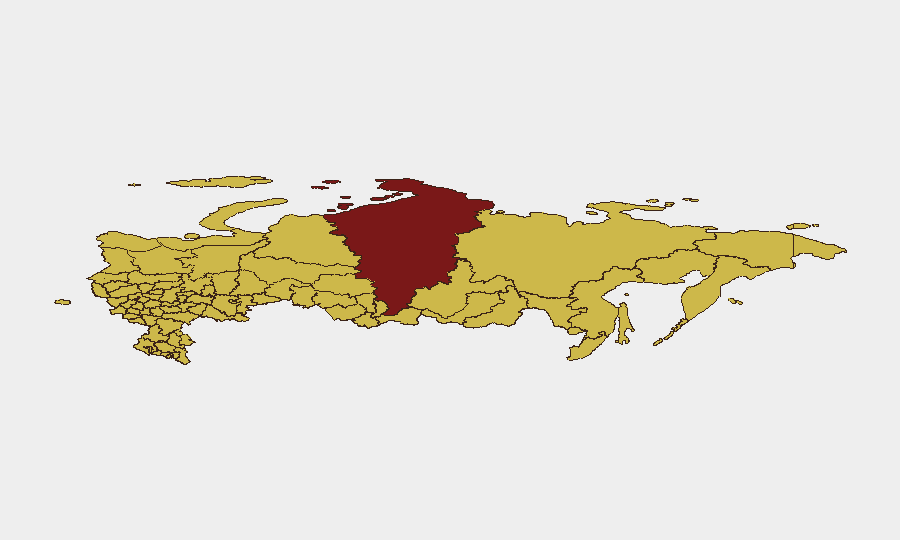
Moscow (92.9) and Krasnoyarsk Krai (81) lead sub-national risk, followed by Belgorod (68.7), a front-line oblast, and Saint Petersburg (65.9). The concentration of risk in Moscow and St. Petersburg reflects centralized political, financial, and media infrastructure; Belgorod's elevated score reflects proximity to the Ukraine conflict and documented Ukrainian drone/strike activity. Western and southern oblasts (Kursk, Bryansk, Volgograd, Tula) show sustained mid-to-high risk (64–65) driven by ongoing military operations, infrastructure targeting, and civilian casualty events. Krasnoyarsk's rank reflects broader regional instability and economic disruption signals.
How GeoBit Would Assist
Security teams with personnel or assets in Russia should employ AOI Monitoring & Early Warning on Moscow, Belgorod, Kursk, and Bryansk to track infrastructure damage, drone activity, and accident reporting in near-real time. OSINT Fusion & Corroboration (X/Twitter, Telegram, regional media, satellite imagery) would provide multi-source validation of incident claims and damage assessment faster than official channels. Conflict & Military and Battle Mapping capabilities enable tracking of Ukrainian strike patterns and Russian air-defense posture to anticipate further regional disruptions and flight/transport delays.
7-Day Outlook
Ukrainian long-range strike tempo is likely to persist, with further targeting of military and dual-use infrastructure in western Russia probable. Bridge collapses and similar accidents may reflect cumulative infrastructure stress or deliberate targeting; either pattern suggests heightened transport and logistics risk in Kursk, Bryansk, and adjacent oblasts over the next week. Diplomatic friction with Western actors may trigger secondary visa, banking, or export controls affecting foreign corporate operations.
Highest-Risk Areas — Ranked
| # | State / Region | Risk |
|---|---|---|
| 1 | Moscow | 92.9 |
| 2 | Krasnoyarsk Krai | 81 |
| 3 | Belgorod Oblast | 68.7 |
| 4 | Saint Petersburg | 65.9 |
| 5 | Volgograd Oblast | 65.1 |
| 6 | Kursk Oblast | 64.9 |
| 7 | Primorsky Krai | 64.8 |
| 8 | Omsk Oblast | 64.5 |
| 9 | Tula Oblast | 64.2 |
| 10 | Amur Oblast | 64.1 |
| 11 | Samara Oblast | 63.8 |
| 12 | Moscow Oblast | 63.6 |
Sources
Previous Daily Briefs
A new Russia brief is written every day — each with its own risk map and downloadable CSV. Here's the last week; use the calendar to go further back.
📅 Browse every day by calendar →
Highlighted days have a brief. Tap a day for that day's map & analysis, or “csv” for that day's dataset ($5).