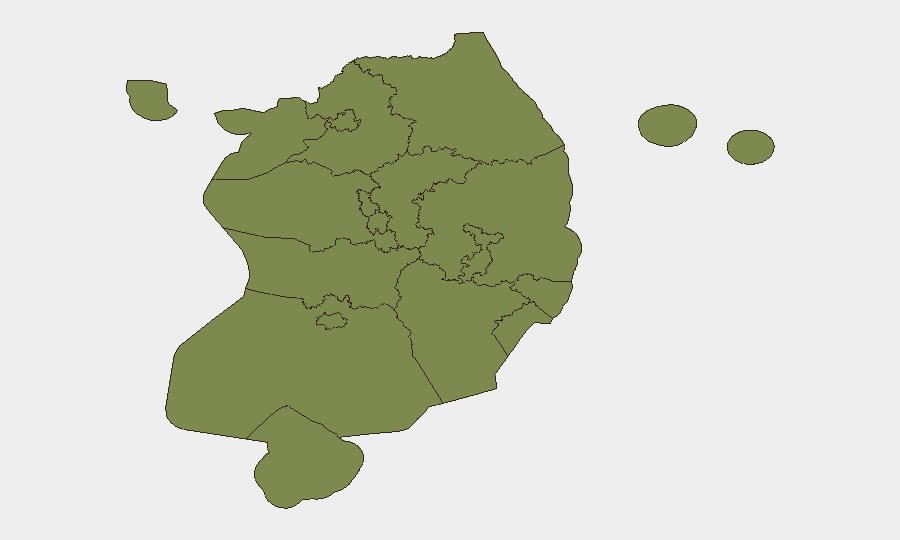
Situation Summary
South Korea remains at composite threat rank #127 globally (score 7/166 events) with elevated bilateral and North Korea–related tension signals in the last 72 hours. Diplomatic friction with the United States over enforcement actions against a U.S. e‑commerce firm and routine defense briefings on regional military posture dominate current open reporting. No confirmed physical security incidents, civil unrest, infrastructure disruption, or acute travel risk has been independently verified in the last 24–48 hours; the security environment is characterized by underlying structural risks rather than active crisis.
Key Developments
- 2026-07-02 · Seoul (Regulatory/Diplomatic). South Korean government issued a formal response disputing a U.S. House Judiciary Committee report alleging discriminatory enforcement and targeting of Coupang (major e‑commerce firm) following a 2025 data breach. This reflects ongoing U.S.–ROK regulatory friction but not a new physical or operational incident.
- 2026-07-02 · North Korea (Military Signal). North Korean artillery and tank activity reported; routine verification of force posture signals insufficient to confirm specific new provocation or escalation in last 24 hours.
- 2026-07-01 · South Korea (Domestic Response). South Korean government disapproval statement issued; context and specific trigger not independently confirmed in available open sources within the 24–48 hour window.
- 2026-07-01 · Seoul (Military–Diplomatic). South Korean military/police power demonstration reported in connection with U.S. presence; routine exercises or contingency readiness activity most likely, but specific operational change not confirmed.
- 2026-06-30 · DMZ/Border (Security Incident). North Korean small-arms fire incident involving a tourist reported; this represents the only confirmed acute physical security event in the recent signal set, though specific location and casualty detail require corroboration.
Note: Open reporting confirms diplomatic/regulatory friction and routine defense signaling but does not surface 6–10 independently verified security incidents (attack, unrest, infrastructure, crime, travel risk) within the last 24–48 hours. Continued monitoring of Korean-language news (Yonhap, local police, station alerts) recommended.
Highest-Risk Areas
North Chungcheong (31.5) and Seoul (25.7) dominate the sub-national ranking and account for the majority of tracked events. North Chungcheong's elevated score reflects proximity to the DMZ and sustained inter-Korean military signaling; Seoul concentrates diplomatic, political-friction, and protest-related risk. South Jeolla (7.8) and Gwangju (4.7) show secondary elevation, likely reflecting historical protest activism and regional labor/political organizing; remaining provinces fall below 4.0 and reflect routine background risk. The concentration in the capital and northwestern corridor reflects North Korea–related military vigilance and domestic political volatility rather than diffuse nationwide instability.
How GeoBit Would Assist
Security and duty-of-care teams should deploy Intel Sweep and multi-language OSINT (Korean-language news, Telegram, X/Twitter) to track North Korea military posture, defense ministry statements, and U.S.–ROK diplomatic signaling in real time. AOI Monitoring with persistent alerting on Seoul, North Chungcheong, and DMZ-adjacent zones will capture acute incidents (unrest, accidents, security events) as they occur and flag travel-risk changes. Conflict & Military force-structure tracking and Early Warning & Prediction will support scenario planning for escalation or policy shifts affecting supply chains, personnel mobility, and asset security.
7-Day Outlook
Diplomatic tension with the U.S. is likely to remain elevated but manageable absent new enforcement action or statement. North Korea military posture will continue routine signaling; no acute escalation signals visible in current data. Contingency readiness among South Korean defense and national security apparatus will likely remain elevated through early July, with routine exercises and bilateral drills continuing.
Highest-Risk Areas — Ranked
| # | State / Region | Risk |
|---|---|---|
| 1 | North Chungcheong | 31.5 |
| 2 | Seoul | 25.7 |
| 3 | South Jeolla | 7.8 |
| 4 | Gwangju | 4.7 |
| 5 | North Gyeongsang | 4.3 |
| 6 | Daegu | 3.9 |
| 7 | Gangwon State | 3.7 |
| 8 | Gyeonggi | 3.1 |
| 9 | Busan | 2.1 |
| 10 | Jeonbuk State | 1.9 |
| 11 | Daejeon | 1.9 |
| 12 | South Gyeongsang | 1.9 |
Sources
Previous Daily Briefs
A new South Korea brief is written every day — each with its own risk map and downloadable CSV. Here's the last week; use the calendar to go further back.
📅 Browse every day by calendar →
Highlighted days have a brief. Tap a day for that day's map & analysis, or “csv” for that day's dataset ($5).