Situation Summary
The UAE faces elevated but contained regional security pressure stemming from US–Iran escalation in the Gulf, with air-defence activations and maritime threats in the Strait of Hormuz dominating the threat landscape as of 12–13 July 2026. No direct attacks on UAE territory have occurred; domestic stability remains intact, but proximity to high-risk maritime corridors and active missile/drone activity outside borders warrant heightened operational alertness. Abu Dhabi Emirate carries the largest composite risk burden, reflecting exposure to diplomatic tensions and regional military posturing. The threat trajectory remains unpredictable and subject to rapid shifts in the US–Iran dynamic.
Key Developments
- UAE Air-Defence Activation (Nationwide, early 12 July 2026): Civil defence systems activated in response to detected missile and drone threats outside UAE borders; precautionary alerts and interception booms reported across the country. Ministry of Defence confirmed all threats remained external and domestic situation stable.
- Iranian Missile/Drone Attacks on Neighbouring States (Regional, 12 July 2026): UAE Ministry of Foreign Affairs condemned renewed Iranian attacks on Bahrain, Kuwait, Qatar, Jordan, and Oman, characterizing them as sovereignty violations and regional destabilization.
- Container-Ship Damage in Strait of Hormuz (Gulf Maritime Approaches, 12–13 July 2026): Cyprus-flagged vessel sustained serious engine-room damage following Iranian attack; UAE maritime authorities and CENTCOM reported ongoing rescue operations with regional escalation of vessel-transit warnings.
- US Strikes on Iranian Targets (Regional, 12–13 July 2026): US conducted strikes on 80+ Iranian targets in response to Iranian attacks, prompting heightened alert levels and media guidance to UAE residents to monitor official channels for developments.
- Dubai Infrastructure Fire (Sheikh Zayed Road, 13 July 2026): Medium-scale restaurant fire required evacuation and civil-defence response; no direct security/attack nexus reported, but incident illustrates operational demands on emergency services during high-alert period.
- UK FCDO Travel Advisory Maintenance (Nationwide, current as of 13 July 2026): Foreign Office maintained "essential travel only" removal but reiterated warning that situation is unpredictable and attacks could resume at short notice.
Highest-Risk Areas
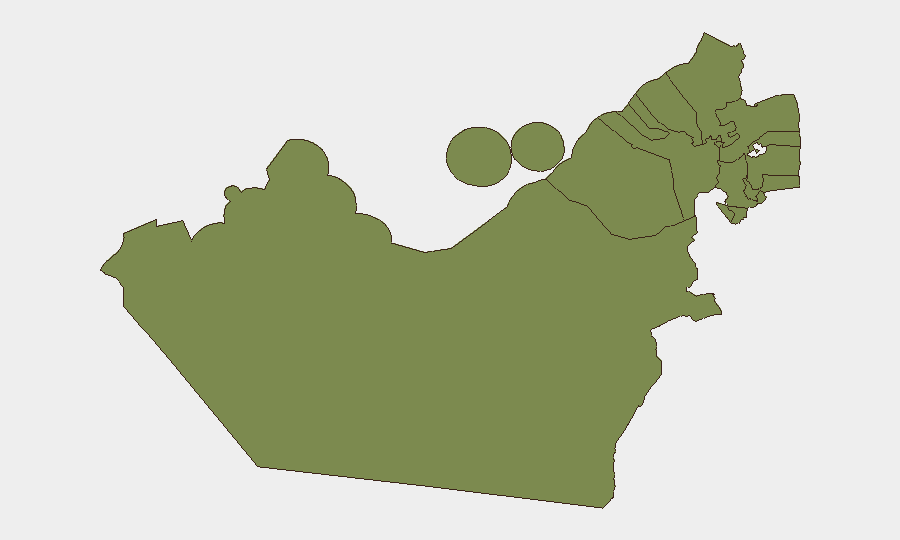
Abu Dhabi Emirate dominates the sub-national risk ranking (31.5), reflecting its status as the capital and seat of federal defence, foreign policy, and critical infrastructure—making it the primary target of state-level diplomatic friction and regional military posturing. Dubai (21.6) faces secondary risk tied to its status as the commercial and maritime hub, with exposure to Strait of Hormuz disruption and supply-chain vulnerability. The remaining emirates (Sharjah, Ajman, Ras al-Khaimah, Fujairah, Umm al-Quwain) carry minimal composite scores, indicating lower immediate exposure to current regional escalation.
How GeoBit Would Assist
Security teams should deploy AOI Monitoring & Early Warning on Abu Dhabi and Dubai to detect shifts in air-defence activity, port operations, and civil-alert patterns in real time. Maritime & Aviation Tracking combined with Strait of Hormuz–focused search and routing analysis enable duty-of-care teams to anticipate vessel and flight-path disruption and plan alternative logistics. Intel Sweep and multi-language OSINT fusion will surface emerging diplomatic statements, military-readiness signals, and social-media sentiment shifts that precede operational changes.
7-Day Outlook
Near-term trajectory hinges on US–Iran de-escalation or further exchange; if tensions stabilize, UAE risk recedes to baseline regional friction. If escalation continues, maritime choke-points and air corridors will remain high-friction zones, increasing disruption risk for supply chains, travel, and expatriate operations. Domestic stability is expected to hold, but emergency-response systems will remain at elevated readiness.
Highest-Risk Areas — Ranked
| # | State / Region | Risk |
|---|---|---|
| 1 | Abu Dhabi Emirate | 31.5 |
| 2 | Dubai | 21.6 |
| 3 | Sharjah Emirate | 1.5 |
| 4 | Ajman Emirate | 1.5 |
| 5 | Ras al-Khaimah | 1.5 |
| 6 | Fujairah Emirate | 1.5 |
| 7 | Umm al-Quwain | 1.5 |
Sources
Previous Daily Briefs
A new United Arab Emirates brief is written every day — each with its own risk map and downloadable CSV. Here's the last week; use the calendar to go further back.
📅 Browse every day by calendar →
Highlighted days have a brief. Tap a day for that day's map & analysis, or “csv” for that day's dataset ($5).
Atlas — our AI intelligence desk — emails them this snapshot personally. Nothing else, no list.