Situation Summary
Bahrain remains at composite threat level 103 globally (score 16), with civil unrest as the primary driver, though no discrete incidents were tracked in the current window. The country's security environment is shaped principally by regional Iran–Gulf conflict dynamics rather than internal instability; heightened attention to cybersecurity, maritime risk, and critical infrastructure reflects indirect exposure to broader Persian Gulf tensions. U.S. travel advisories remain at Level 3 ("Reconsider Travel") due to terrorism and armed conflict risk. No major protests, civil unrest incidents, or infrastructure sabotage events inside Bahrain proper were reported in the last 24–48 hours.
Key Developments
- Manama – 27 Aug 2026: GCC Ministerial Committee for Cybersecurity held its 5th meeting, chaired by Bahrain's National Cybersecurity Centre chief, focusing on regional cyber threats in the Iran–Gulf conflict context. Reflects elevated cybersecurity and critical-infrastructure risk awareness.
- Kingdom of Bahrain – 27 Aug 2026: U.S. Department of State renewed Travel Advisory at Level 3 ("Reconsider Travel") due to terrorism and armed conflict, reaffirming requirements for special authorization of U.S. government employee travel and restrictions on accompanying family members. Advisory cites ongoing risk of terrorist violence and possible attacks on tourist sites, transportation hubs, markets, malls, religious sites, and government/military facilities.
- Strait of Hormuz – 27 Aug 2026: A tanker transiting key Gulf shipping routes was struck by an unidentified projectile, causing a fire that was brought under control. All crew reported safe; no environmental damage recorded. Incident underscores elevated maritime and energy-infrastructure risk for vessels linked to Bahrain's ports.
- Strait of Hormuz/Gulf region – 27 Aug 2026: Continued targeting of tankers tied to Iran's announced closure of the waterway in response to earlier Israeli military actions. For Bahrain, represents indirect but significant security and supply-chain risk given economy's reliance on Gulf maritime routes.
- Bahrain (diplomatic/financial domain) – 26 Aug 2026: U.S. Treasury Secretary held call with Bahrain's finance minister discussing newly announced U.S. sanctions on Iran and stressing sustained financial pressure on Iran's economic lifelines. Points to Bahrain's active role in Iran sanctions framework, potentially contributing to heightened political and security tensions.
- Bahrain (regional political domain) – 27 Aug 2026: Iran's foreign ministry spokesman criticized U.S. for forming coalition with Bahrain, describing Bahrain as having "virtually no meaningful economic exchange with Iran." Underscores Iranian political hostility toward Bahrain's alignment with U.S. policy, a factor in terrorism and conflict-related risk.
- Manama – 26 Aug 2026: Bahrain's Interior Ministry conducted field visits to civil security guards in schools across the country to ensure readiness ahead of the new academic year. Preventive security measure; no specific incident or disruption reported.
Highest-Risk Areas
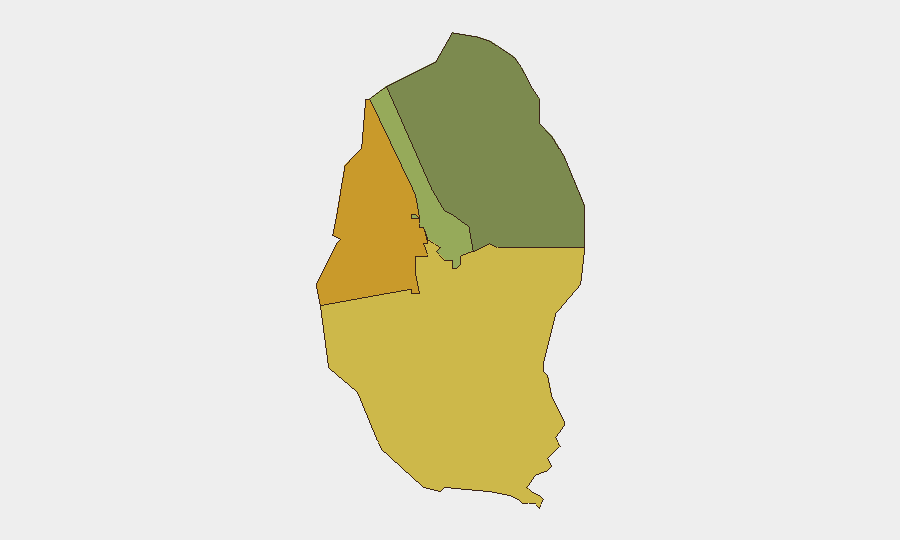
Northern Governorate (risk 72) and Southern Governorate (risk 68) constitute Bahrain's highest-risk sub-national areas, with civil unrest historically the primary driver. Capital Governorate (risk 45), despite hosting government and financial infrastructure, ranks third. These rankings reflect long-standing sectarian and socioeconomic tensions in outlying regions rather than current discrete events; Northern Governorate in particular remains the focal point of periodic protest activity and security force operations. Capital Governorate's lower relative ranking may reflect concentration of security apparatus and infrastructure protection.
How GeoBit Would Assist
Security teams should employ AOI Monitoring & Early Warning capabilities to track Northern and Southern Governorates for protest activity or civil unrest signals; OSINT Fusion (X/Twitter, Telegram, local media) to detect emerging tensions or attack planning; and Maritime & Aviation Tracking to monitor tanker movements and incident activity in the Strait of Hormuz and Gulf shipping corridors serving Bahrain's logistics infrastructure. Cyber threat intelligence feeds and Network & Actor Analysis would support monitoring of Iran-aligned cyber actors targeting Bahrain's financial and critical infrastructure sectors.
7-Day Outlook
No material deterioration in Bahrain's internal security posture is anticipated over the next seven days absent a significant regional escalation. Maritime risk in the Strait of Hormuz will remain elevated; organizations with supply-chain or energy-sector exposure should maintain heightened logistics monitoring. Cybersecurity posture should remain elevated given active GCC coordination and ongoing regional tensions.
Highest-Risk Areas — Ranked
| # | State / Region | Risk |
|---|---|---|
| 1 | Northern Governorate | 72 |
| 2 | Southern Governorate | 68 |
| 3 | Capital Governorate | 45 |
| 4 | Muharraq Governorate | 38 |
Sources
Previous Daily Briefs
A new Bahrain brief is written every day — each with its own risk map and downloadable CSV. Here's the last week; use the calendar to go further back.
- August 25, 2026
- August 23, 2026
- August 21, 2026
- August 19, 2026
- August 17, 2026
- August 15, 2026
- August 13, 2026
📅 Browse every day by calendar →
Highlighted days have a brief. Tap a day for that day's map & analysis, or “csv” for that day's dataset ($5).
Atlas — our AI intelligence desk — emails them this snapshot personally. Nothing else, no list.