Situation Summary
Cuba is experiencing a sustained civil unrest cycle triggered by a nationwide electricity and water crisis, with coordinated street protests (cacerolazos) reported across multiple provinces over the past 48 hours. Havana remains the epicenter of demonstrated discontent, though protests have spread to provincial cities including Santiago de las Vegas, Cerro, La Víbora, and Holguín. State security forces have deployed armored anti-riot vehicles and increased police presence in response, but have not yet escalated to large-scale suppression. The security environment remains fluid, with risk concentrated in major urban centers and contingent on the trajectory of the underlying energy crisis and government response.
Key Developments
- Havana (Cerro and La Víbora neighborhoods) – night of 21 July 2026
Residents erected street barricades, lit fires, and staged cacerolazos protesting extended blackouts; police intervened briefly then withdrew, allowing demonstrations to continue.
- Havana (Santiago de las Vegas, Boyeros municipality) – night of 22 July 2026
Multi-neighborhood pot-banging protests and chanting over prolonged power outages and water shortages occurred amid heavy National Revolutionary Police (PNR) presence and reported repression.
- Multiple urban areas across Cuba – night of 24–25 July 2026
Coordinated nationwide cacerolazos took place following a social-media call for national action by the Asamblea de la Resistencia Cubana; video reports document marches, street blockages, chants for "libertad," increased police deployment, and alleged internet disruptions.
- Havana (La Habana del Este) – 24–25 July 2026
Armored anti-riot vehicles and military tanquetas were deployed through eastern Havana neighborhoods in response to ongoing protests; no official government explanation was provided.
- Holguín province (Antilla municipality) – recent nights (within the current protest wave)
Hundreds of residents marched from Flora neighborhood to the local police station, banging pots and chanting antigovernment slogans tied to blackouts; subsequent heavy police and military deployment followed.
- Havana – 24 July 2026
Concurrent with street unrest, U.S. officials issued new sanctions accusations and sanctions against Cuban officials and entities, reflecting external political pressure during an internally unstable period.
Highest-Risk Areas
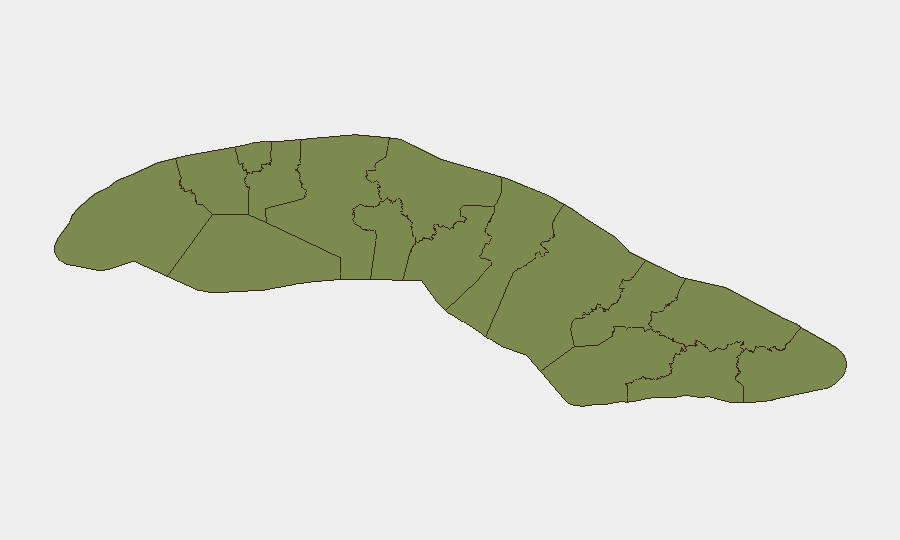
Havana (risk score 33.1) dominates the threat landscape, accounting for the majority of protest activity and security-force mobilizations over the past 48 hours. Santiago de Cuba (24.3) and Camagüey (18.9) follow, with Santiago showing provincial-scale unrest in municipalities such as Antilla. The concentration of risk in these three provinces reflects both population density and the severity of electricity and water shortages in urban centers. Artemisa and Matanzas present moderate secondary risk (15.4 and 14.5 respectively), while rural and smaller provinces exhibit minimal recorded activity.
How GeoBit Would Assist
Corporate security and duty-of-care teams would employ Intel Sweep and global event feeds to track real-time protest mobilization and police deployments; X/Twitter and Telegram OSINT to monitor activist coordination and internet disruption reports; and AOI Monitoring & Early Warning with persistent watches on Havana and secondary cities to detect escalation before it affects personnel or operations. GIS & Spatial Analysis would map protest zones, police deployment patterns, and service-failure areas to inform movement planning and asset security posture.
7-Day Outlook
Near-term risk will remain elevated if power and water shortages persist; additional coordinated cacerolazos are probable over the next 7 days, particularly around weekends. Police and military presence will likely continue to increase in Havana and major cities, though the threshold for violent escalation remains unclear. Corporate personnel should anticipate intermittent internet/cellular disruptions, street congestion, and potential mobility restrictions in urban centers.
Highest-Risk Areas — Ranked
| # | State / Region | Risk |
|---|---|---|
| 1 | Havana | 33.1 |
| 2 | Santiago de Cuba | 24.3 |
| 3 | Camagüey | 18.9 |
| 4 | Artemisa | 15.4 |
| 5 | Matanzas | 14.5 |
| 6 | Sancti Spiritus | 6.1 |
| 7 | Las Tunas | 5.1 |
| 8 | Cienfuegos | 4.6 |
| 9 | Granma | 4.6 |
| 10 | Pinar del Rio | 3.6 |
| 11 | Guantánamo | 3.6 |
| 12 | Mayabeque | 3.1 |
Sources
Previous Daily Briefs
A new Cuba brief is written every day — each with its own risk map and downloadable CSV. Here's the last week; use the calendar to go further back.
📅 Browse every day by calendar →
Highlighted days have a brief. Tap a day for that day's map & analysis, or “csv” for that day's dataset ($5).
Atlas — our AI intelligence desk — emails them this snapshot personally. Nothing else, no list.