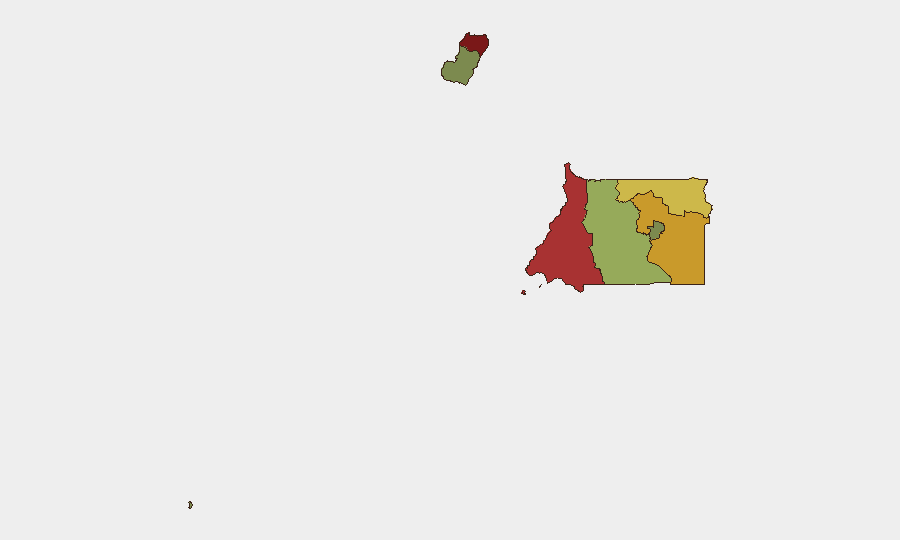
Situation Summary
Equatorial Guinea remains a low-intensity threat environment at the national level (global rank #141; composite threat score 11), with no confirmed security incidents recorded during the past week. However, sub-national risk remains concentrated in the northern oil-producing regions, particularly Bioko Norte and Litoral Province, where governance friction, internet restrictions, and alleged state violence against detainees (incidents from late September) reflect underlying instability. The security picture reflects chronic governance and rule-of-law concerns rather than acute conflict or organized violence.
Key Developments
- 2026-10-05 · Punta Europa, Bioko Norte: Wood Mackenzie reported that Equatorial Guinea is pursuing a regional gas-hub strategy to sustain operations at Punta Europa as Alba gas production declines, signaling long-term energy-sector planning and potential workforce/infrastructure changes in the country's highest-risk region.
- 2026-10-05 · Offshore blocks: Transocean secured an approximately $80 million, two-well contract for the *Deepwater Conqueror*, with work expected to begin in 2027; reflects continued oil-sector activity and foreign-contractor presence in Equatorial Guinea's offshore zones.
- 2026-10-04 · Bilateral engagement: Equatorial Guinea signed a cooperation agreement with Egypt during the Alamein-Africa Forum, covering trade, investment, and African security matters; indicates active diplomatic engagement with no security disruption reported.
- 2026-09-30 · EG-08 block: Europa Oil & Gas extended a farm-out completion deadline involving Antler Global to October 30; administrative petroleum-sector activity with no operational or security implications.
- Late September (context): Alleged detention abuses reported at Hotel Bamy (2026-09-23) and internet restrictions on Facebook/TikTok (2026-09-22) following corruption allegations reflect ongoing rule-of-law vulnerabilities and state media control, though no new incidents of this type were confirmed during 2026-09-30 to 2026-10-06.
No new violence, civil unrest, infrastructure failure, or crime incidents were independently verified during the past seven days.
Highest-Risk Areas
Bioko Norte and Litoral Province drive national risk, together accounting for the majority of sub-national threat concentration (composite scores 85 and 78 respectively). Both regions host critical oil-and-gas infrastructure and the capital Malabo, making them focal points for governance tension, security-sector activity, and foreign-worker presence. Wele-Nzas and Kié-Ntem provinces in the mainland interior retain elevated risk scores (72 and 68) but remain lower-profile operationally. Southern and island regions (Bioko Sur, Centro Sur, Annobón) show substantially lower risk, indicating that threat concentration is geographic and tied to oil-economy dynamics and state administrative capacity.
How GeoBit Would Assist
Security teams managing personnel or assets in Equatorial Guinea should deploy AOI Monitoring & Early Warning on Bioko Norte and Litoral Province to detect emerging civil unrest, workforce disruptions, or rule-of-law incidents in real time. Intel Sweep and multi-language OSINT, combined with X/Twitter and Telegram OSINT, enable continuous tracking of opposition activity, internet restrictions, and state-media narratives that often precede governance friction or visa/movement complications. Risk & Threat Assessment and Conflict & Military modules support scenario planning for supply-chain continuity and personnel security in the event of localized instability.
7-Day Outlook
No acute threats are forecast for the coming week. Equatorial Guinea's energy sector remains operationally stable, with new contracts underway and no reported labor, environmental, or political events likely to disrupt oil-and-gas operations. Governance friction and internet control will likely persist as chronic background risks; routine monitoring of detention practices, media restrictions, and opposition activity is warranted to maintain early warning of potential deterioration in northern regions.
Highest-Risk Areas — Ranked
| # | State / Region | Risk |
|---|---|---|
| 1 | Bioko Norte | 85 |
| 2 | Litoral Province | 78 |
| 3 | Wele-Nzas Province | 72 |
| 4 | Kié-Ntem Province | 68 |
| 5 | Centro Sur Province | 45 |
| 6 | Bioko Sur | 38 |
| 7 | Djibloho | 15 |
| 8 | Annobón Province | 8 |
Sources
Previous Weekly Briefs
A new Equatorial Guinea brief is written every Monday, covering the week — each with its own risk map and downloadable CSV. Use the calendar to go further back.
- September 29, 2026
- September 22, 2026
- September 15, 2026
- September 8, 2026
- September 1, 2026
- August 29, 2026
- August 26, 2026
📅 Browse past briefs by calendar →
Highlighted days have a brief. Tap a day for that day's map & analysis, or “csv” for that day's dataset ($5).
Atlas — our AI intelligence desk — emails them this snapshot personally. Nothing else, no list.