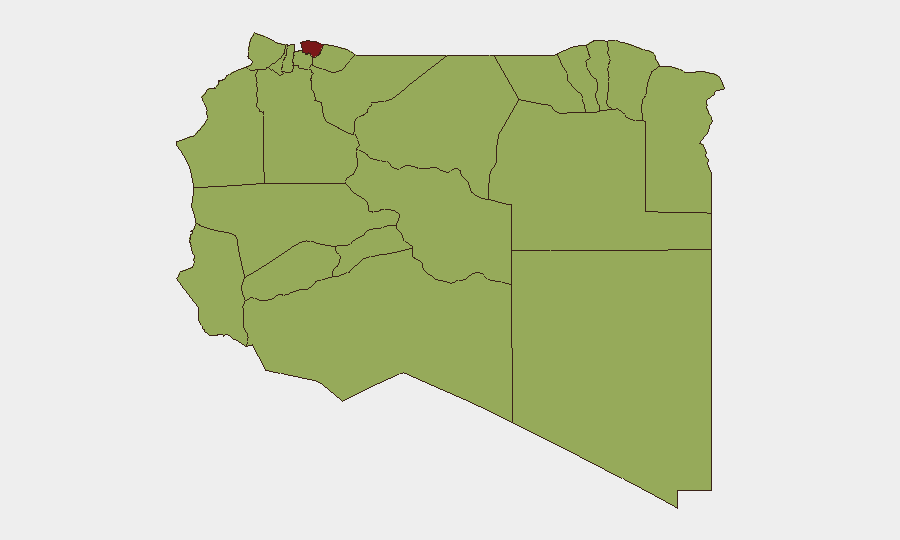
Situation Summary
Libya is experiencing concurrent waves of civil unrest, armed-force mobilization, and diplomatic engagement in response to governance failures and infrastructure collapse. Large anti-government protests erupted across Tripoli on 26–27 July over prolonged power cuts and electricity pricing, triggering roadblocks, institutional boycotts, and direct action against state ministries. Armed security formations have mobilized visibly in the capital—particularly around the Al-Mansoura district and key infrastructure—raising civilian alarm and creating flashpoint risk; simultaneously, Libyan authorities and armed groups announced a security accord on 24–26 July to protect airports, borders, and the Central Bank. International diplomatic effort continues (Egypt–US coordination on 24–25 July), but the trajectory reflects deepening institutional distrust and a volatile near-term security environment.
Key Developments
- Tripoli (Janzour, West Tripoli power station) – 26 July evening: Large anti-government protests blocked the coastal road in Janzour, gathered outside the West Tripoli power station, and closed municipal council offices, triggered by electricity outages and high tariffs.
- Tripoli (Sater Turba district, Souq Al-Jumaa) – 26 July: Demonstrators physically blockaded the Ministry of Foreign Affairs with dirt and shut Libyana state telecom offices; banners targeted PM al-Dabaiba and called for dissolution of political institutions.
- Tajoura, east Tripoli – 27 July: The "Tajoura Families and Youth Movement" announced a full institutional boycott beginning 27 July, rejecting both the Government of National Unity and House of Representatives as part of expanding civil disobedience.
- Tripoli (Al-Mansoura district, state radio building vicinity) – late night within 48h window: Heavy armed deployments by western Libyan authority-affiliated formations reported across multiple districts; sporadic gunfire noted by residents; National Institution for Human Rights warned of indiscriminate fire and civilian risk.
- Tripoli (national-level) – 24–26 July: Interior Minister announced a security accord between armed groups and authorities to protect airports, land borders, government headquarters, and the Central Bank, with 24-hour implementation promised.
- Cairo–Washington engagement – 24–25 July: Egypt's Foreign Minister Badr Abdelatty and US presidential advisor Massad Boulos discussed Libyan institutional unification and political settlement ahead of promised February 2027 elections.
Highest-Risk Areas
Tripoli dominates the national risk profile (score 80), driven by simultaneous civil unrest, armed-force mobilization, and institutional tension; the city concentrates state ministries, security infrastructure, and civilian populations, making protest-to-armed-confrontation escalation a material near-term risk. The remaining 11 high-risk zones (Nalut, Ghat, Az Zawiya, Wadi al Shatii, Murzuq, Kufra, and others; scores 50 each) reflect broader territorial fragmentation, foreign military activity (Egyptian and Niger incursions noted on 25 July), and weak state capacity outside the capital. Tripoli's electricity and governance crises are citywide; the security accord on critical infrastructure suggests authorities recognize armed-conflict risk but implementation credibility is untested.
How GeoBit Would Assist
Security teams with Tripoli or national operations should activate AOI Monitoring & Early Warning on Tripoli's key ministries, power infrastructure, and security-force positions to track further military deployments and protest sites in real time. Conflict & Military force-structure and Network & Actor Analysis capabilities enable mapping of armed-group positions and identifying which factions are adhering to the security accord. Intel Sweep (OSINT fusion, social-media sentiment analysis, and Telegram monitoring) provides sub-24-hour detection of protest mobilization and armed-group signaling before operational impact.
7-Day Outlook
Tripoli will likely see continued or escalating protests over power and governance through early August, with security-force presence remaining elevated around ministries and infrastructure. Risk of armed-group confrontation, accidental civilian casualties, or protest-suppression violence remains material if demonstrations expand or blocked roads affect strategic sectors. International diplomatic effort (Egypt–US) will continue but carries limited near-term constraint on domestic civil unrest.
Highest-Risk Areas — Ranked
| # | State / Region | Risk |
|---|---|---|
| 1 | Tripoli | 80 |
| 2 | Nalut | 50 |
| 3 | Ghat | 50 |
| 4 | Baladiyah Surman | 50 |
| 5 | Az Zawiya District | 50 |
| 6 | Wadi al Shatii | 50 |
| 7 | Wadi al Hayaa | 50 |
| 8 | Murzuq | 50 |
| 9 | Kufra | 50 |
| 10 | Nuqat al Khams | 50 |
| 11 | Jafara | 50 |
| 12 | Murqub | 50 |
Sources
Previous Daily Briefs
A new Libya brief is written every day — each with its own risk map and downloadable CSV. Here's the last week; use the calendar to go further back.
📅 Browse every day by calendar →
Highlighted days have a brief. Tap a day for that day's map & analysis, or “csv” for that day's dataset ($5).
Atlas — our AI intelligence desk — emails them this snapshot personally. Nothing else, no list.