Situation Summary
The Philippines faces an elevated but contained security environment, ranking #40 globally with a composite threat score of 36. Metro Manila dominates the risk profile following a Department of Justice compound explosion on 27 July and discovery of a second suspected IED near the Senate, both incidents occurring amid heightened political tensions and the President's State of the Nation Address. While institutional responses have been swift and mass-casualty incidents have not materialized, the coincidence of domestic security incidents, ongoing South China Sea maritime confrontations, and political instability (Vice President impeachment proceedings) signals multi-domain pressure on state capacity and public confidence.
Key Developments
- Metro Manila, Department of Justice (Ermita) – 27 July, ~00:00 UTC · Homemade/IED-type device detonated outside DOJ on Padre Faura, causing property damage. Philippine National Police launched major investigation; no mass-casualty reports. Incident preceded President Marcos' State of the Nation Address by hours.
- Pasay City, Senate building vicinity (Diokno Boulevard) – 27 July, early hours · Second suspected improvised explosive device discovered and rendered safe near Senate. Authorities investigating possible operational linkage between DOJ and Senate incidents.
- Metro Manila (National Capital Region) – 27–28 July · Philippine National Police deployed enhanced checkpoint density, perimeter security, and bomb-disposal assets around government facilities in response to IED incidents. Security posture remains elevated for State of the Nation Address period.
- South China Sea, Bajo de Masinloc (Scarborough Shoal, off Zambales) – 24 July · China Coast Guard vessels conducted water-cannon attacks and "dangerous maneuvers" against Philippine Bureau of Fisheries vessels during resupply operation for Filipino fishermen. Manila lodged formal diplomatic protest.
- Metro Manila, Caloocan City – 24–25 July · Pro-Marcos online commentator "Mima Alicia" (Alicia Lipata) fatally shot; partner wounded in targeted attack by unidentified gunmen. Police manhunt underway; investigation examining political-content and organized-crime nexuses.
- National – 24–25 July · Philippine Department of Foreign Affairs protested to China over AI-generated video depicting Filipinos as monkeys; characterized as racist information warfare linked to South China Sea tensions.
Highest-Risk Areas
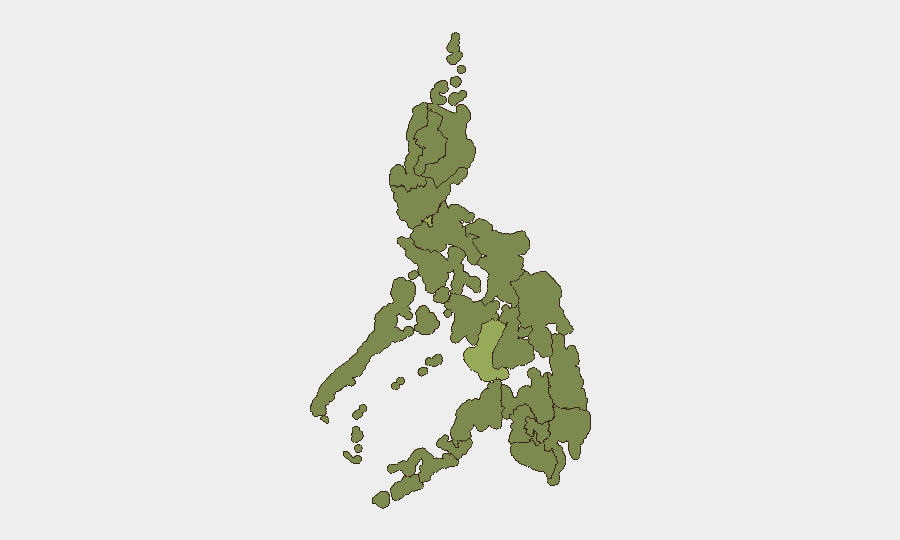
Metro Manila (55.2) drives national risk by a substantial margin, reflecting the concentration of government facilities, critical infrastructure, and IED incidents in the capital. Negros Island Region (41.7) and Calabarzon (31.7) follow; together with Metro Manila, these three zones account for the majority of tracked security events. Cordillera, Central Luzon, and Ilocos regions (29.7–26.5) register secondary concern, while southern and eastern regions (Bangsamoro, Caraga, Northern Mindanao, Soccsksargen, Zamboanga Peninsula) cluster at 25–25.2, reflecting persistent separatist and criminal activity but lower immediate volatility than the north-central corridor.
How GeoBit Would Assist
Security teams protecting personnel and assets in Philippines should employ AOI Monitoring & Early Warning for persistent watch over Metro Manila's government district, Senate, and key commercial corridors, with real-time alerting on incident activity. OSINT fusion & corroboration across X/Twitter, Telegram, news feeds, and YouTube will track post-IED investigation developments, political rhetoric, and public sentiment shifts that may signal secondary incidents or protest mobilization. Conflict & Military tracking and Network & Actor Analysis will map linkages between the DOJ/Senate incidents, organized-crime networks, and political actors to distinguish operational patterns.
7-Day Outlook
The Philippines faces a critical security window through early August as the State of the Nation Address concludes and investigation into the dual IED incidents matures. If no arrests or credible perpetrator claims emerge within 72 hours, speculation over motive—political, separatist, or criminal—may intensify public anxiety and elevate pressure on law enforcement. South China Sea maritime friction and impeachment proceedings will likely persist as secondary drivers of instability but are unlikely to generate acute domestic security events in the near term.
Highest-Risk Areas — Ranked
| # | State / Region | Risk |
|---|---|---|
| 1 | Metro Manila | 55.2 |
| 2 | Negros Island Region | 41.7 |
| 3 | Calabarzon | 31.7 |
| 4 | Cordillera Administrative Region | 29.7 |
| 5 | Central Luzon | 26.8 |
| 6 | Ilocos Region | 26.5 |
| 7 | Eastern Visayas | 26.2 |
| 8 | Zamboanga Peninsula | 25.5 |
| 9 | Bangsamoro | 25.2 |
| 10 | Caraga | 25.2 |
| 11 | Northern Mindanao | 25.2 |
| 12 | Soccsksargen | 25.2 |
Sources
Previous Daily Briefs
A new Philippines brief is written every day — each with its own risk map and downloadable CSV. Here's the last week; use the calendar to go further back.
📅 Browse every day by calendar →
Highlighted days have a brief. Tap a day for that day's map & analysis, or “csv” for that day's dataset ($5).
Atlas — our AI intelligence desk — emails them this snapshot personally. Nothing else, no list.