Situation Summary
South Korea faces elevated diplomatic and domestic tensions as of early July 2026, marked by strained U.S.–South Korea relations, North Korean military activity, and internal governmental friction. The country ranks #149 globally in composite threat score (5.0), reflecting manageable but non-trivial risk concentrated in specific regions. Recent event signals spanning 1–3 July indicate policy disputes, public statements of disapproval, and military posturing rather than active conflict or widespread civil unrest. The near-term trajectory suggests continued political friction and monitoring of North Korean intentions.
Key Developments
- Seoul (2026-07-01–03): South Korea's presidential office rejected U.S. allegations regarding discriminatory data-breach investigation targeting Coupang, escalating a policy dispute with Washington and signaling internal governmental tensions over corporate compliance and trade relations.
- Seoul/National Level (2026-07-01): South Korea announced formal reduction of relations with the United States, accompanied by public disapproval statements—a significant diplomatic step requiring corporate and institutional reassessment of bilateral operating assumptions.
- North Korea (2026-07-01–02): North Korea issued public statements and demonstrated artillery/tank movements, consistent with periodic weapons posturing but signaling continued military readiness and potential for escalation messaging.
- Seoul (2026-07-02): The United States issued a counter public statement directed at South Korea, indicating ongoing bilateral messaging and public-level disagreement beyond closed diplomatic channels.
- National Level (2026-07-02): South Korea launched an investigation into an airline (identity and specifics unclear from available signals), suggesting domestic regulatory or security concerns within aviation operations.
- Seoul/Legislative (2026-07-03): South Korea's government and House of Representatives issued public statements indicating internal policy disagreement or criticism, suggesting domestic political friction alongside external diplomatic tensions.
Highest-Risk Areas
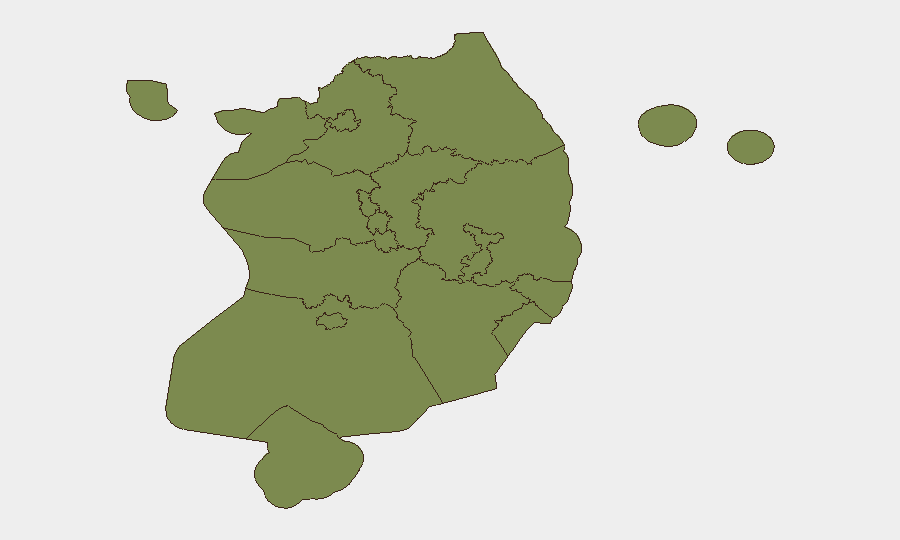
North Chungcheong (31.8) and Seoul (24.3) together account for the majority of tracked risk events, with North Chungcheong's elevated score likely reflecting proximity to inter-Korean border areas and military concentrations. Seoul's risk reflects political, diplomatic, and regulatory activity as the capital and primary hub for government, corporate, and international engagement. South Jeolla (11.0) and Gwangju (6.7) represent secondary clusters, historically associated with regional political sentiment and protest activity. All other regions score below 6.0, indicating that risk remains concentrated in three provinces and the capital region, with the periphery and southern coastal areas (Busan, South Gyeongsang) substantially lower-risk.
How GeoBit Would Assist
Security teams would deploy Intel Sweep and multi-language event feeds to monitor government, corporate, and diplomatic statements in real time, paired with entity extraction and sentiment analysis to track shifts in U.S.–South Korea relations and North Korean intentions. AOI Monitoring & Early Warning on North Chungcheong, Seoul, and inter-Korean border zones would provide persistent watch for military activity, protest mobilization, or regulatory enforcement that could affect operations or personnel safety. Network & Actor Analysis would clarify government and corporate actors involved in ongoing disputes (e.g., Coupang investigation) to inform duty-of-care compliance and reputational risk.
7-Day Outlook
Diplomatic and regulatory friction is likely to persist as South Korea and the United States negotiate bilateral positions; corporate entities (especially logistics and tech) should anticipate continued investigative and compliance scrutiny. North Korean military signaling is unlikely to escalate into kinetic action in the near term but warrants persistent monitoring. Internal South Korean political disagreement may accelerate if legislative or executive branches seek public accountability, potentially generating protest activity in Seoul and secondary cities—watch Seoul and Gwangju for civil mobilization signals.
Highest-Risk Areas — Ranked
| # | State / Region | Risk |
|---|---|---|
| 1 | North Chungcheong | 31.8 |
| 2 | Seoul | 24.3 |
| 3 | South Jeolla | 11 |
| 4 | Gwangju | 6.7 |
| 5 | Daegu | 5.5 |
| 6 | Gangwon State | 4.8 |
| 7 | Gyeonggi | 3 |
| 8 | Busan | 3 |
| 9 | North Gyeongsang | 2.4 |
| 10 | South Gyeongsang | 2.4 |
| 11 | South Chungcheong | 2.1 |
| 12 | Jeju | 2.1 |
Sources
Previous Daily Briefs
A new South Korea brief is written every day — each with its own risk map and downloadable CSV. Here's the last week; use the calendar to go further back.
📅 Browse every day by calendar →
Highlighted days have a brief. Tap a day for that day's map & analysis, or “csv” for that day's dataset ($5).