Situation Summary
Bahrain experienced a significant escalation in regional conflict spillover during the first week of September 2026, triggered by Iranian drone and ballistic-missile strikes against U.S.-linked military infrastructure, primarily Sheikh Isa Air Base. Active air-defense engagements occurred on 1–2 September, with Bahrain's Defence Force confirming interception of multiple Iranian unmanned systems and the Ministry of Interior issuing public shelter advisories. Concurrent with military tensions, domestic security operations and sectarian-linked protest suppression continue in northern and central areas, creating a complex risk environment for resident expatriates and transiting personnel.
Key Developments
- 1–2 September, Sheikh Isa Air Base & airspace nationwide: Iran's IRGC claimed large-scale drone and ballistic-missile strikes on U.S. radar installations and troop positions at Sheikh Isa; Bahrain Defence Force air-defense systems confirmed interception and destruction of multiple Iranian unmanned systems in the early hours of 2 September. No U.S. or Bahraini casualties reported, but explosions and intercepts were documented over populated airspace.[1][3][4][5][12][13]
- 1 September, early morning, multiple locations: Air-defense sirens activated across parts of Bahrain in response to Iranian-claimed operations; Ministry of Interior issued shelter-in-place directives to residents, indicating active civilian-protection measures and elevated air-threat environment.[2][4][7]
- 2 September, Sheikh Isa Air Base: Iranian military reasserted claims of "massive UAV attacks" on radar and assembly centers housing U.S. troops, part of the multi-day strike campaign described as "Saeqeh" operation in response to prior U.S. strikes on southern Iran.[10]
- 1 September, Kingdom-wide (regional context): Iranian state media reported expanded attacks on U.S.-linked military assets across the Gulf, including Bahrain, Jordan, Kuwait, and Iraq; U.S. and coalition air defenses engaged incoming threats across multiple venues.[3][12][14]
- 1 September, Government statement: Bahrain's government formally condemned a separate Iranian drone attack on the UAE as a violation of international law and UN Security Council Resolution 2817, underscoring official concern over regional escalation and signaling heightened tension throughout the GCC.[2]
- 6 September, Diya village & approach to Pearl Square, Manama: Bahraini police deployed tear gas and warning shots to disperse hundreds of Shia protesters attempting to march from Diya toward central Manama following Ashura ceremonies; roads were blocked and demonstrators forced to retreat, with no immediate arrests or casualties reported.[15]
- 25–31 August (reported 1–2 September), Karranah, Northern Governorate: A Shia teenager was arrested following a security-force raid on a residential home; timing and location consistent with ongoing sectarian-focused domestic security operations in the north.[1]
Highest-Risk Areas
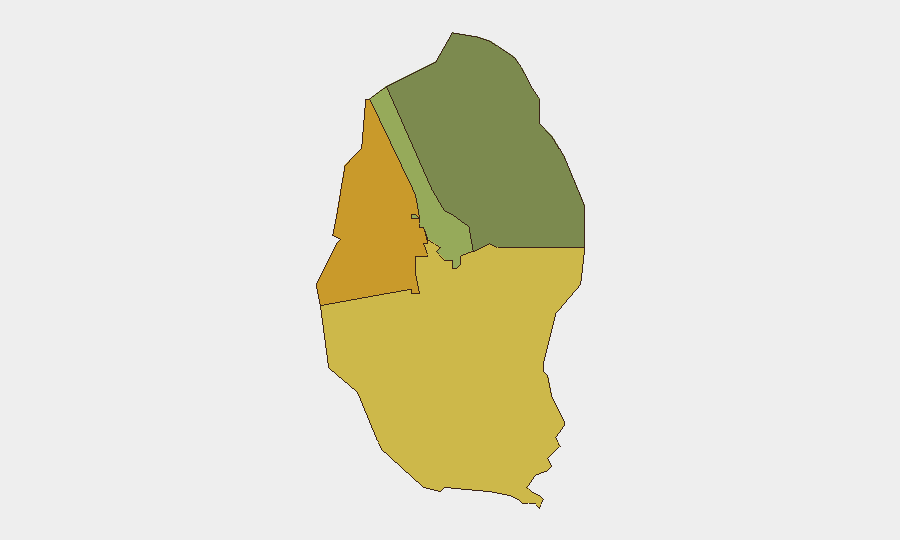
The Northern Governorate (risk score 72) and Southern Governorate (risk score 68) dominate Bahrain's risk profile. The north remains the focal point for sectarian tensions and protest activity, as demonstrated by the Diya-to-Manama march suppression and Karranah residential raid. The south—home to Sheikh Isa Air Base and adjacent U.S. military infrastructure—has become the primary target zone for Iranian military operations, directly exposing southern residential and commercial areas to air-defense engagements and potential collateral hazard. Capital Governorate (risk 45) has seen elevated indirect impact via air-defense activities and public alerts affecting Manama and surrounding business districts.
How GeoBit Would Assist
A corporate security team would employ AOI (Area-of-Interest) Monitoring & Early Warning with persistent watch over Sheikh Isa, northern protest corridors, and key transportation hubs to flag emerging incidents in real-time. Conflict & Military capabilities—including force-structure and weapons-capability tracking—would contextualize Iranian and U.S. force posture and predict further escalation windows. Routing & Network Analysis would enable duty-of-care teams to plan safe transit corridors and evacuation routes around active military zones and protest flashpoints.
7-Day Outlook
Immediate risk remains elevated through mid-September as the U.S.–Iran exchange may trigger additional Iranian reprisal operations; Sheikh Isa and southern Bahrain will remain high-consequence zones. Domestic security activity is expected to persist in northern Shia areas, particularly around religious observances. Absent new major escalation, background risk will trend downward but remain materially above baseline through month-end.
Highest-Risk Areas — Ranked
| # | State / Region | Risk |
|---|---|---|
| 1 | Northern Governorate | 72 |
| 2 | Southern Governorate | 68 |
| 3 | Capital Governorate | 45 |
| 4 | Muharraq Governorate | 38 |
Sources
Previous Weekly Briefs
A new Bahrain brief is written every Monday, covering the week — each with its own risk map and downloadable CSV. Use the calendar to go further back.
- September 1, 2026
- August 30, 2026
- August 27, 2026
- August 25, 2026
- August 23, 2026
- August 21, 2026
- August 19, 2026
📅 Browse past briefs by calendar →
Highlighted days have a brief. Tap a day for that day's map & analysis, or “csv” for that day's dataset ($5).
Atlas — our AI intelligence desk — emails them this snapshot personally. Nothing else, no list.