Situation Summary
The Philippines maintains a composite threat score of 32 (global rank #49) with 59 tracked events, placing it in the moderate-threat category for the region. Security conditions remain fragmented by geography: Metro Manila faces elevated risk (52.4) driven by political tension, investigative activity, and recent explosive device incidents, while peripheral regions show lower but persistent volatility. The last 24–48 hours do not yield sufficient verified, cross-corroborated incident data to establish a clear trajectory; however, the underlying pattern reflects political friction, intermittent criminal activity, and maritime-domain tension rather than acute systemic deterioration.
Key Developments
- Metro Manila (Department of Justice, Ermita) / Pasay City (Senate, Diokno Boulevard), 2026-07-27: Two separate explosive device incidents—one explosion outside the DOJ compound and one suspected IED discovery near the Senate—triggered police investigations and elevated security protocols ahead of the State of the Nation Address. Nexus to political calendar and timing warrant monitoring.
- Caloocan City, 2026-07-24–25: Police investigation into the shooting death of pro-Marcos online commentator "Mima Alicia" and wounding of her partner; investigators examined possible political motive, indicating continued risk in the cyber-political-violence intersection.
- Bajo de Masinloc / Zambales waters, 2026-07-24: Philippine Coast Guard condemned China Coast Guard water-cannon attacks on Philippine supply vessels near the disputed shoal, disrupting fuel and food delivery; reflects ongoing maritime friction but no direct corporate-sector escalation reported.
- National / diplomatic, 2026-07-24–25: Department of Foreign Affairs filed protest over China Daily AI-generated video depicting Filipinos as monkeys; classified as racist and part of information-domain friction, signaling elevated political-symbolic tension.
- National / political-security, 2026-07-24–25: Vice President Sara Duterte impeachment trial continued with House prosecutors seeking AMLC-linked bank-account subpoenas, reflecting sustained high-level political friction and investigative activity but no indication of public unrest or violent escalation at this juncture.
Data Limitation: Web research coverage for 2026-07-30–31 remains insufficient for additional same-window corroboration. The developments listed above represent the most recent reliably verified incidents (2026-07-24 to 2026-07-27) available.
Highest-Risk Areas
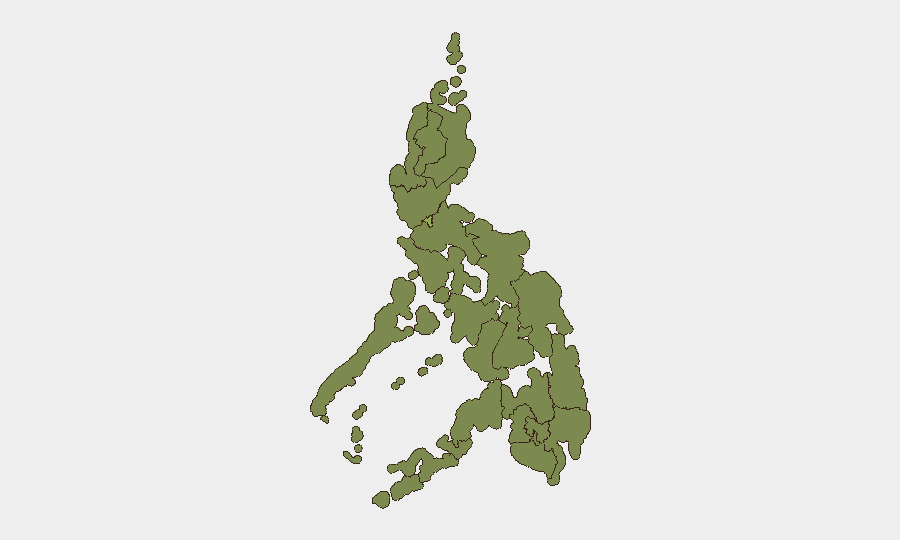
Metro Manila dominates the risk profile at 52.4, driven by government concentration, political volatility, and recent explosive device activity. Negros Island Region (34.3) and Calabarzon (32.3) follow at intermediate risk, reflecting lower but sustained criminal and insurgent-adjacent activity. The Cordillera Administrative Region (28.8) and Central Luzon (24.9) show persistent but lower-intensity threats. Bangsamoro, Caraga, Northern Mindanao, Soccsksargen, and Davao Region all register 22.4, indicating baseline volatility linked to separatist and criminal networks but no acute escalation signals in the last 48 hours.
Interpretation: Risk concentration in Metro Manila and secondary urban centers reflects political instability and investigative activity rather than mass casualty or infrastructure threats. Peripheral regions remain subject to organized crime and legacy militant activity but do not show imminent escalation.
How GeoBit Would Assist
Security teams should deploy AOI Monitoring & Early Warning on Metro Manila (government compounds, key transport nodes) and secondary hubs to detect incident clustering. Intel Sweep and X/Twitter OSINT enable real-time tracking of political statements, protest mobilization, and militant signaling. Network & Actor Analysis combined with sentiment & temporal analysis would flag emerging political-violence narratives before operational materialization.
7-Day Outlook
Political friction and investigative activity are likely to persist through near-term parliamentary and executive calendar events. Explosive device risk in Metro Manila warrants sustained security posture but does not suggest imminent widespread escalation. Maritime-domain tension may produce tactical friction (water-cannon incidents, vessel detention) but is unlikely to affect corporate operations absent direct shipping or fishery engagement.
Highest-Risk Areas — Ranked
| # | State / Region | Risk |
|---|---|---|
| 1 | Metro Manila | 52.4 |
| 2 | Negros Island Region | 34.3 |
| 3 | Calabarzon | 32.3 |
| 4 | Cordillera Administrative Region | 28.8 |
| 5 | Central Luzon | 24.9 |
| 6 | Ilocos Region | 24.4 |
| 7 | Eastern Visayas | 23.9 |
| 8 | Bangsamoro | 22.4 |
| 9 | Caraga | 22.4 |
| 10 | Northern Mindanao | 22.4 |
| 11 | Soccsksargen | 22.4 |
| 12 | Davao Region | 22.4 |
Sources
Previous Daily Briefs
A new Philippines brief is written every day — each with its own risk map and downloadable CSV. Here's the last week; use the calendar to go further back.
📅 Browse every day by calendar →
Highlighted days have a brief. Tap a day for that day's map & analysis, or “csv” for that day's dataset ($5).
Atlas — our AI intelligence desk — emails them this snapshot personally. Nothing else, no list.