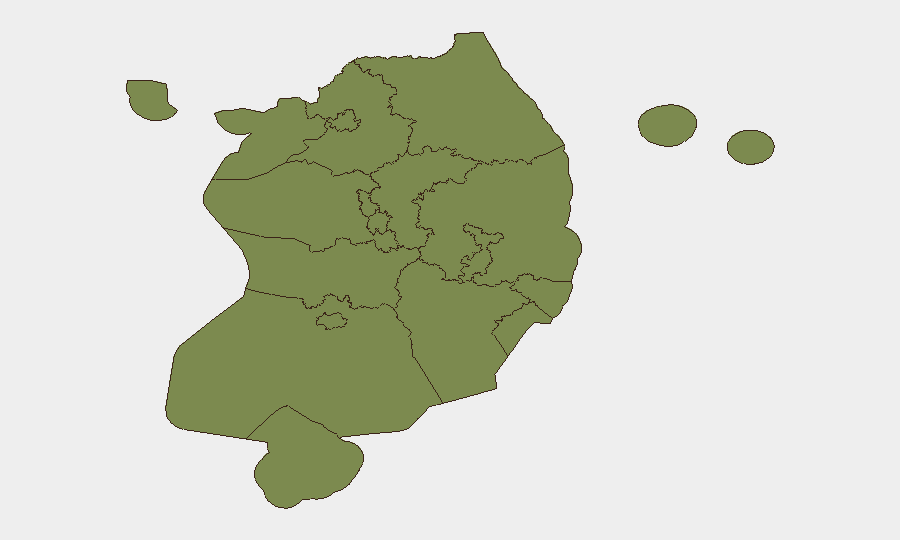
Situation Summary
South Korea remains at moderate global risk (rank #139, composite score 6) with 105 tracked events. However, concentrated risk in North Chungcheong (31.4) and Seoul (30.2)—driven by diplomatic tensions, cyber-security disputes with the U.S., and ongoing inter-Korean military incidents—has elevated operational concern for foreign firms and personnel. The past 48 hours have surfaced active regulatory friction between Seoul and Washington over data-breach handling and alleged discriminatory treatment of U.S. companies, alongside renewed North Korean defection activity along the DMZ.
Key Developments
- Seoul (Presidential Office) – July 3–4, 2026: National Security Adviser Wi Sung‑lac publicly rejected U.S. House Judiciary Committee allegations that South Korea discriminated against Coupang following a 33-million-account data breach. The statement denies NIS involvement in cross-border equipment recovery and allegations of presidential pressure, intensifying diplomatic and regulatory tension with Washington. [3][5]
- White House Statement – July 4, 2026: U.S. administration warned it will not tolerate "unfair practices" toward U.S.-owned companies in South Korea, directly referencing the Coupang report. This escalates the dispute from congressional to executive level and signals potential trade and compliance risk for American-linked operations. [5]
- DMZ / Central Front – June 23, 2026 (disclosed July 4): South Korean Defense Ministry confirmed a North Korean soldier crossed the central front at night and was secured by South Korean forces; investigation ongoing. Underscores persistent military tension and defection-related activity along the inter-Korean border. [2]
- South Korean Cyber Sector – 2025 data, report released 2026: Financial sector recorded 32 ransomware incidents in 2025, up from zero the prior year, indicating sharp escalation in cyber-crime targeting banks and financial institutions across the country. [4]
- Maritime Border – Early July 2026: South Korean Coast Guard confirmed no recent reports of North Korean GPS jamming near the maritime border, contrary to earlier speculation. Navigation and aviation near the border remain unaffected by confirmed disruption. [9]
Highest-Risk Areas
North Chungcheong (31.4) and Seoul (30.2) drive the bulk of tracked risk in South Korea. Seoul's elevation is primarily attributable to ongoing U.S.–South Korea diplomatic friction over Coupang's data breach, regulatory investigations, and alleged discriminatory treatment of foreign firms—issues affecting corporate compliance and political stability. North Chungcheong's high score likely reflects military-adjacent activity, border-region tensions, and intelligence operations. South Jeolla (12.2) and Jeju (11.8) show secondary elevation; the remainder of the country presents substantially lower operational risk.
How GeoBit Would Assist
Security teams operating in South Korea should deploy Intel Sweep and OSINT fusion to monitor the evolving U.S.–Seoul regulatory dispute in real time, track nascent compliance risks for U.S.-linked firms, and correlate diplomatic statements with enforcement actions. AOI Monitoring & Early Warning on Seoul's presidential office, National Intelligence Service, and financial-sector facilities would provide persistent alerting on regulatory or political developments affecting operational risk. Cyber threat intelligence focused on financial-sector ransomware trends and cross-border data-breach patterns would inform defensive posture and incident-response planning for organizations in the banking and e-commerce sectors.
7-Day Outlook
The U.S.–South Korea regulatory dispute over Coupang is likely to remain elevated through early-to-mid July as congressional and executive statements circulate. North Korean defection and military incidents along the DMZ are expected to continue at baseline rates. Financial-sector cyber risk remains elevated; organizations should anticipate continued ransomware activity targeting banks and financial services.
Highest-Risk Areas — Ranked
| # | State / Region | Risk |
|---|---|---|
| 1 | North Chungcheong | 31.4 |
| 2 | Seoul | 30.2 |
| 3 | South Jeolla | 12.2 |
| 4 | Jeju | 11.8 |
| 5 | Daegu | 6.4 |
| 6 | Gangwon State | 5.6 |
| 7 | Busan | 3.1 |
| 8 | Gyeonggi | 2.6 |
| 9 | North Gyeongsang | 2.2 |
| 10 | South Chungcheong | 1.8 |
| 11 | Jeonbuk State | 1.8 |
| 12 | Daejeon | 1.8 |
Sources
Previous Daily Briefs
A new South Korea brief is written every day — each with its own risk map and downloadable CSV. Here's the last week; use the calendar to go further back.
📅 Browse every day by calendar →
Highlighted days have a brief. Tap a day for that day's map & analysis, or “csv” for that day's dataset ($5).
Atlas — our AI intelligence desk — emails them this snapshot personally. Nothing else, no list.