Situation Summary
Bahrain remains in a state of relative domestic calm, with no reported attacks or civil unrest on Bahraini soil during the past week. However, the country faces sustained indirect security pressure from regional Iran–U.S. military escalation in the Gulf, culminating in public U.S. acknowledgment that Iranian strikes in February severely damaged Naval Support Activity Bahrain—the Fifth Fleet headquarters. The damage to this critical U.S. facility, combined with ongoing Houthi threats to Saudi Arabia and heightened maritime tension around Bahraini ports, defines the primary risk vector; domestic petty crime and routine law enforcement remain secondary concerns.
Key Developments
- Manama (Naval Support Activity Bahrain), 9–11 September
Acting U.S. Navy Secretary Hung Cao confirmed in a 9 September statement that Iranian strikes beginning 28 February left the base "heavily damaged and effectively unusable in the near term," with the USS *Abraham Lincoln* unable to dock and a task force reviewing repair versus reoccupation options. Bahrain's Foreign Ministry welcomed the acknowledgment on 11 September, with Iranian media amplifying the statement as validation of successful strikes.
- Gulf waters off Bahraini and Kuwaiti ports, 8–9 September
U.S. Central Command reported destruction of five Iran-linked crude oil tankers on 8 September in response to prior Iranian ballistic missile attacks on U.S. Navy vessels. Iran warned crews near Kuwaiti and Bahraini ports to evacuate, raising maritime risk and energy-sector vulnerability around Bahrain's port infrastructure.
- Bahrain (national position), 13 September
The government strongly condemned renewed Houthi militia attacks against civilian and economic facilities in Saudi Arabia, reaffirming regional alignment despite no direct attacks on Bahraini territory.
- Manama, 12 September
Bahrain's Interior Ministry announced the arrest of five workers for theft of electrical cables and air-conditioning units at unspecified locations, indicating ongoing petty infrastructure crime.
- Bahrain (criminal court), 9 September
A First High Criminal Court hearing began on a case in which two men allegedly impersonated police officers, forcibly detained an individual, and stole BD500, highlighting crime involving fraudulent security-force impersonation.
- Bahrain airspace, as of 8 September
Regional travel-security updates confirmed no attacks in Bahrain between 4–8 September and that airspace remained open, indicating no direct kinetic incidents on Bahraini soil early in the reporting period.
Highest-Risk Areas
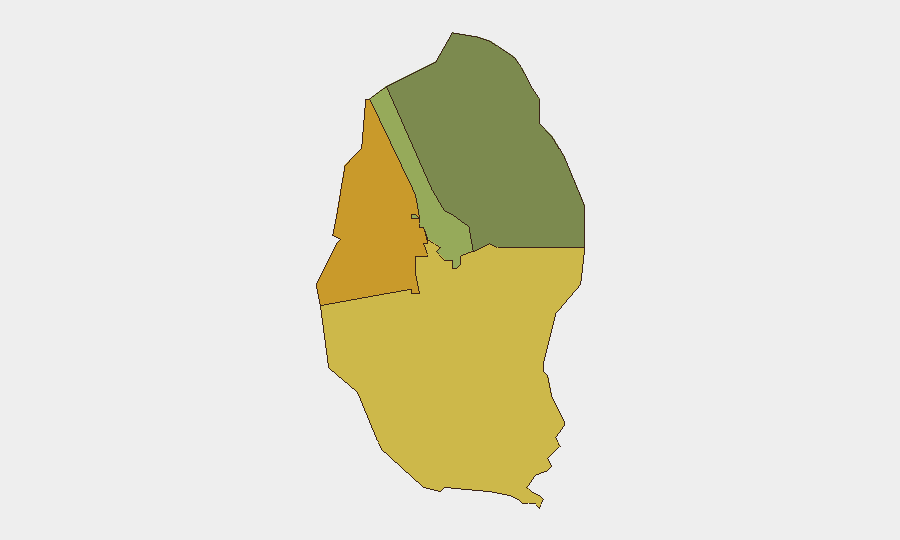
The Northern Governorate (risk score 72) and Southern Governorate (68) carry the highest subnational risk, though the precise drivers—whether sectarian tensions, smuggling networks, or proximity to contested maritime zones—warrant site-specific monitoring. The Capital Governorate (45), including Manama, faces elevated risk not from domestic instability but from the degraded U.S. naval facility and the concentration of diplomatic, commercial, and maritime infrastructure vulnerable to regional military spillover. Muharraq Governorate (38) presents lower but non-negligible risk, likely reflecting port and aviation nexus exposure to Gulf-wide tensions.
How GeoBit Would Assist
Security and risk teams should deploy AOI Monitoring & Early Warning focused on Naval Support Activity Bahrain, Manama's port facilities, and the Northern and Southern Governorates to detect escalation in Iranian or Houthi activity. Maritime & Aviation tracking, coupled with Network & Actor Analysis of smuggling and organized-crime nodes, would provide early signal of regional criminal or militant movement into or through Bahrain. Real-time Intel Sweep and multi-language X/Telegram OSINT monitoring would capture emerging Iranian or regional militia claims or tactical shifts before they affect duty-of-care postures.
7-Day Outlook
Iran–U.S. tension in Gulf waters will likely remain elevated, with no immediate de-escalation signaled; continued statements or provocations around the damaged U.S. base in Manama are probable. Domestic security in Bahrain is expected to remain stable absent a major regional military incident or direct Iranian/proxy strike, though maritime commerce and energy infrastructure will face persistent vulnerability. Personnel and asset-security plans should remain calibrated to regional military rhythm rather than Bahraini-specific civil unrest.
Highest-Risk Areas — Ranked
| # | State / Region | Risk |
|---|---|---|
| 1 | Northern Governorate | 72 |
| 2 | Southern Governorate | 68 |
| 3 | Capital Governorate | 45 |
| 4 | Muharraq Governorate | 38 |
Sources
Previous Weekly Briefs
A new Bahrain brief is written every Monday, covering the week — each with its own risk map and downloadable CSV. Use the calendar to go further back.
- September 7, 2026
- September 1, 2026
- August 30, 2026
- August 27, 2026
- August 25, 2026
- August 23, 2026
- August 21, 2026
📅 Browse past briefs by calendar →
Highlighted days have a brief. Tap a day for that day's map & analysis, or “csv” for that day's dataset ($5).
Atlas — our AI intelligence desk — emails them this snapshot personally. Nothing else, no list.