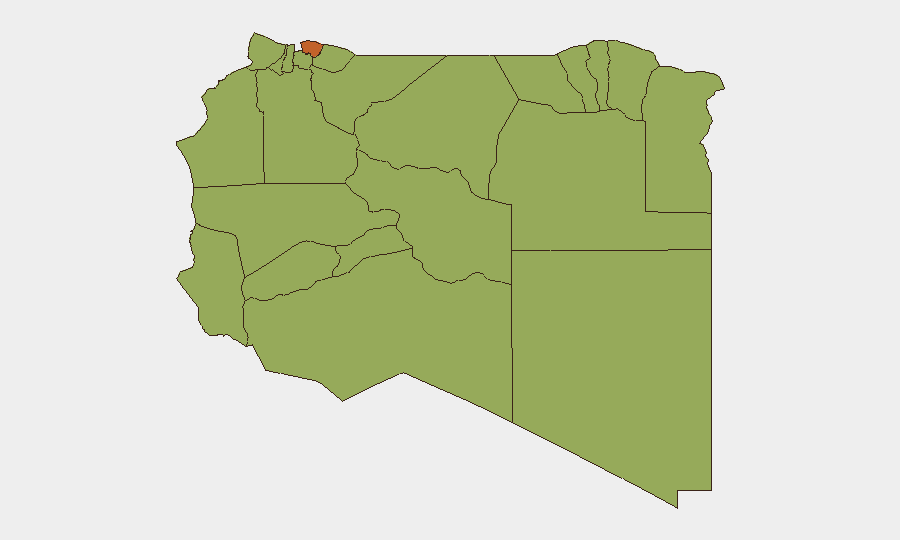
Situation Summary
Libya is experiencing a sustained wave of anti-government protests centered on prolonged electricity blackouts and rising living costs, with demonstrations now directly disrupting critical energy infrastructure. The storming of the Mellitah Oil & Gas complex on 28 July forced temporary closure of gas supplies feeding power plants and disrupted production at El Feel and Wafa fields, triggering rapid military intervention to prevent nationwide grid collapse. Security forces have increased deployments around key installations in Tripoli and western approaches, and political demands for Prime Minister Dbeibah's resignation are now embedded in protest messaging, elevating the risk of prolonged civil unrest and further infrastructure sabotage.
Key Developments
- Mellitah Oil & Gas Complex (28 July): Protesters stormed the facility ~90 km west of Tripoli, forcing shutdown of gas lines supplying power plants and disrupting El Feel and Wafa field output. Libyan armed forces later secured the complex and resumed gas supply, but incident exposed vulnerability of energy infrastructure to civil action.
- Tripoli Western Suburbs (26–27 July, night): Anti-blackout demonstrations escalated across Janzour and near West Tripoli power station, with road closures (including coastal road) and public building blockades causing significant transport disruption and heightened local tensions.
- Multi-city Protest Wave (27–28 July): Sustained demonstrations spread across Tripoli, Zawiya, Misrata, and other western urban centers, with protesters demanding power restoration and Dbeibah's resignation, signaling shift from service complaints to political challenge.
- National Grid Threat Assessment (28 July): Government of National Unity and National Oil Corporation warned that Mellitah closure had already taken multiple generating units offline, and further disruption risks total power-grid failure across the country.
- Security Force Repositioning (27–28 July): Libyan security services increased presence around state and energy installations in Tripoli and western approaches in response to protest escalation, though no large-scale armed clashes confirmed in the last 48 hours.
Highest-Risk Areas
Tripoli dominates the risk landscape with a composite score of 75.5, reflecting ongoing mass protests, critical infrastructure vulnerability, and heightened security force presence in the capital and its western suburbs (Janzour, West Tripoli). The secondary tier of high-risk regions—Nalut, Ghat, Surman, Az Zawiya, Wadi al Shatii, Wadi al Hayaa, Murzuq, Kufra, Nuqat al Khams, Jafara, and Murqub—all register 45.5, indicating dispersed but steady baseline instability across the country. The elevation of Tripoli's score reflects the direct link between service-delivery grievances and infrastructure disruption; western Libya's secondary-tier risk reflects both the geographic concentration of population and historical fragmentation of authority outside the capital.
How GeoBit Would Assist
Security and risk teams should deploy AOI Monitoring & Early Warning on Tripoli's western districts and energy-critical zones (Mellitah, power stations) to track protest movement and re-emergence of infrastructure-targeting actions in real time. Sentiment & Temporal Analysis on social media and Telegram channels (cross-verified via OSINT fusion) would provide 48-hour early warning of planned demonstrations and shifts in protest messaging toward specific political demands or targets. Conflict & Military force-structure tracking, combined with GIS & Spatial Analysis, would enable situational awareness of security force deployments and chokepoint identification for personnel and convoy routing.
7-Day Outlook
Protests are likely to persist or intensify if electricity supply does not measurably improve within 3–5 days, with risk of further attempts to seize or blockade energy infrastructure and secondary targeting of government buildings. Political pressure on Dbeibah's administration will mount, particularly if blackouts recur. Security force readiness and rules of engagement around energy sites will be critical variables in determining whether demonstrations remain largely non-violent or escalate to armed confrontation.
Highest-Risk Areas — Ranked
| # | State / Region | Risk |
|---|---|---|
| 1 | Tripoli | 75.5 |
| 2 | Nalut | 45.5 |
| 3 | Ghat | 45.5 |
| 4 | Baladiyah Surman | 45.5 |
| 5 | Az Zawiya District | 45.5 |
| 6 | Wadi al Shatii | 45.5 |
| 7 | Wadi al Hayaa | 45.5 |
| 8 | Murzuq | 45.5 |
| 9 | Kufra | 45.5 |
| 10 | Nuqat al Khams | 45.5 |
| 11 | Jafara | 45.5 |
| 12 | Murqub | 45.5 |
Sources
Previous Daily Briefs
A new Libya brief is written every day — each with its own risk map and downloadable CSV. Here's the last week; use the calendar to go further back.
📅 Browse every day by calendar →
Highlighted days have a brief. Tap a day for that day's map & analysis, or “csv” for that day's dataset ($5).
Atlas — our AI intelligence desk — emails them this snapshot personally. Nothing else, no list.