Situation Summary
The Philippines faces a composite threat level ranked #45 globally, with security posture significantly elevated in Metro Manila following confirmed improvised explosive device (IED) incidents near government complexes on July 27, 2026, and ongoing investigations into potential links between those attacks. Political tension remains high amid Vice President Sara Duterte's impeachment trial and corruption allegations, coupled with renewed China–Philippines maritime friction in the West Philippine Sea, including reported water-cannon incidents within the last 24 hours. While the immediate security response has prevented escalation into civil unrest or infrastructure disruption, the confluence of domestic political instability and external maritime pressure creates a persistent, elevated-risk environment for corporate operations and personnel in the capital and outlying regions.
Key Developments
- Metro Manila (DOJ/Senate complexes): Philippine authorities continue active investigation and technical examination of IED fragments recovered from the Department of Justice in Ermita (July 27) and a second suspected IED found near the Senate on Diokno Boulevard in Pasay City, with PNP leadership assessing the incidents as likely connected; heightened security and EOD sweeps remain in place at government complexes as of July 31–August 1.
- Metro Manila (Congressional/SONA security): The Philippine National Police elevated security to "highest level" around the Batasang Pambansa, Senate, and key routes in Quezon City and Pasay following the IED incidents and in advance of President Marcos Jr.'s fifth State of the Nation Address; expanded checkpoints and CCTV-led investigations continue.
- West Philippine Sea (Second Thomas Shoal vicinity): China Coast Guard water-cannon incidents against Philippine vessels in contested waters were reported within approximately 24 hours of this brief's publication, consistent with an ongoing pattern of confrontation and adding operational risk to maritime supply missions and fishery activities.
- National (political environment): Coverage from July 30–31 describes heightened political friction linked to the Vice President's impeachment trial and corruption allegations, with law enforcement maintaining strong presence around critical institutions; open-source reporting indicates managed protest activity but no large-scale civil unrest in the last 24–48 hours.
- National (information security posture): Recent media reports (current week) document complaints and protests regarding Chinese information operations and AI-generated propaganda targeting the Philippines, creating a high-friction environment in the information domain alongside physical maritime tensions.
Highest-Risk Areas
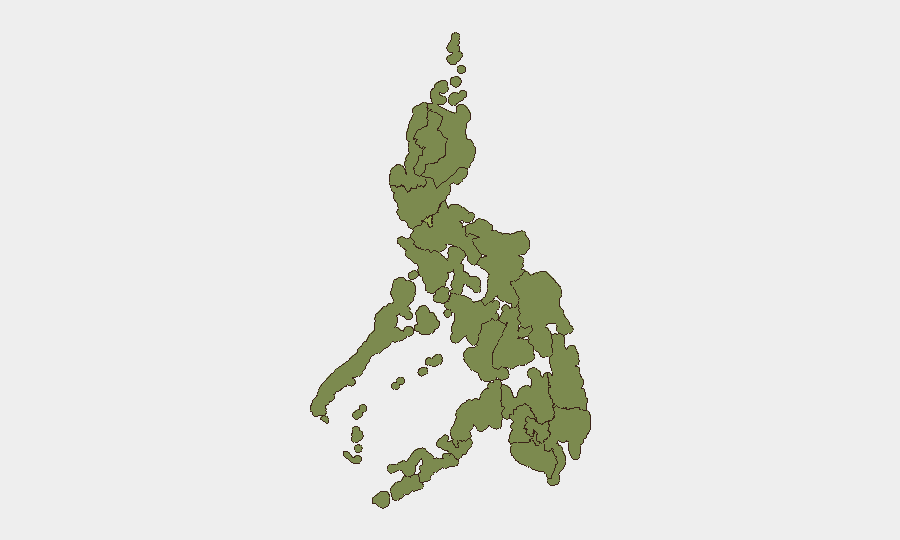
Metro Manila dominates the sub-national risk profile at 54.3—more than 1.6 times higher than the second-ranked region—driven by the confluence of confirmed IED activity, government-complex concentration, and heightened political tension centered on the impeachment trial and SONA environment. Central Visayas (32.2) presents secondary concern, while the remaining ten regions cluster at 24.3, indicating more distributed but lower-intensity risk outside the capital. Corporate security teams should prioritize access control, route planning, and event monitoring in Metro Manila, particularly around congressional, senatorial, and DOJ facilities, while maintaining standard vigilance in secondary urban centers.
How GeoBit Would Assist
Security teams would deploy Intel Sweep and OSINT fusion (X/Twitter, Telegram, multi-language feeds) to track evolving IED investigation details, arrest developments, and protest mobilization in real time. AOI Monitoring & Early Warning on Metro Manila's government district and West Philippine Sea chokepoints would provide persistent alerting on security deployments, incident patterns, and maritime friction escalation. Routing & Network Analysis capabilities enable alternative journey planning for personnel and supply chains to avoid high-risk congressional, senatorial, and port areas during heightened alert periods.
7-Day Outlook
Security measures around government complexes and the congressional corridor are expected to remain elevated through completion of the SONA and ongoing IED investigation. Maritime friction with China will likely persist at current levels of water-cannon confrontations without immediate de-escalation signals; supply missions to contested waters should anticipate continued operational delays. Political tension may fluctuate with impeachment-trial proceedings and Cabinet responses, but no indicators suggest imminent civil unrest or major terrorist attack in the immediate week ahead.
Highest-Risk Areas — Ranked
| # | State / Region | Risk |
|---|---|---|
| 1 | Metro Manila | 54.3 |
| 2 | Central Visayas | 32.2 |
| 3 | Cordillera Administrative Region | 25.9 |
| 4 | Bangsamoro | 24.3 |
| 5 | Caraga | 24.3 |
| 6 | Northern Mindanao | 24.3 |
| 7 | Soccsksargen | 24.3 |
| 8 | Davao Region | 24.3 |
| 9 | Ilocos Region | 24.3 |
| 10 | Cagayan Valley | 24.3 |
| 11 | Central Luzon | 24.3 |
| 12 | Bicol Region | 24.3 |
Sources
Previous Daily Briefs
A new Philippines brief is written every day — each with its own risk map and downloadable CSV. Here's the last week; use the calendar to go further back.
📅 Browse every day by calendar →
Highlighted days have a brief. Tap a day for that day's map & analysis, or “csv” for that day's dataset ($5).
Atlas — our AI intelligence desk — emails them this snapshot personally. Nothing else, no list.