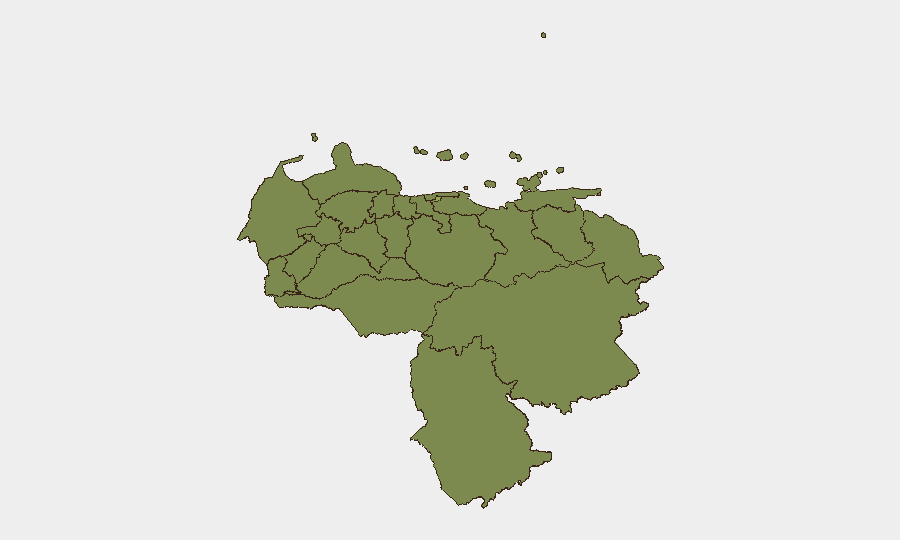
Situation Summary
Venezuela remains at moderate global threat ranking (#37) with a composite score of 47, reflecting ongoing post-earthquake instability, infrastructure disruption, and persistent political and criminal tensions. The June 24 double earthquake killed approximately 3,500–3,700 people and displaced tens of thousands, creating a security environment characterized by reduced state presence in affected zones, opportunistic crime, and public anger toward government and military response. Recent signals include military activity, arrests, and government statements centered on Caracas, but no reports of large-scale armed confrontation or coup activity in the past 24–48 hours. Current risk is driven primarily by earthquake aftermath, infrastructure gaps, and latent civil unrest rather than acute political instability.
Key Developments
- La Guaira state, July 19–20 – Rescue operations systematically withdrawn from heavily devastated zones following the June 24 earthquake; reduced security presence and large displaced populations increase looting and petty crime risk.
- Caracas and coastal urban centers, July 18–20 – Continued infrastructure disruption (power, gas, telecoms) and damaged roads remain; authorities warn of further structural collapse hazards affecting inter-city travel and movement between Caracas and La Guaira.
- Venezuelan coastal corridor, July 18–19 – Public reports document anger over slow and confused initial military earthquake response, including delayed deployment and equipment shortages; criticism of armed forces and government increases probability of localized demonstrations in affected neighborhoods.
- Nationwide border states (Táchira, Zulia, Amazonas, Apure, Barinas), current advisory (July 2026) – German Foreign Office reiterates persistent threats from organized crime, kidnapping, colectivo militias, and notes politically motivated checkpoints and spontaneous demonstrations remain routine.
- La Guaira displacement camps, July 20–21 – Humanitarian and media reporting shows ongoing mass camps and aid operations; under-resourced camps create hotspots for petty crime, gender-based violence, and tensions between locals, authorities, and aid workers.
- National aviation and travel, mid-July advisory – International flights resuming but remain vulnerable to disruption from earthquake damage and political protests; routine checkpoint and vehicle searches continue; travelers should anticipate route changes and armed-personnel encounters.
- Caracas, July 22–23 – Military activity, arrest/detention events, and government statements recorded in Caracas area; no multi-source reporting of large-scale armed clash or coup attempt.
Highest-Risk Areas
The Federal District (Caracas) dominates the sub-national ranking at 56.7, driven by concentration of military, government, and political activity, plus earthquake-related infrastructure damage and displacement. Carabobo State (32.9) and Monagas State (29.2) follow, with Táchira and other border states (28–29 range) showing elevated risk from organized crime, militia activity, and checkpoint violence. The coastal zones—particularly La Guaira and surrounding areas affected by the June quake—present acute risk from looting, reduced state control, and large displaced populations, despite not appearing in the top-ranked list. Border and remote regions face persistent colectivo militia and narcotrafficking activity; urban centers face political and earthquake-related instability.
How GeoBit Would Assist
Security teams should deploy AOI Monitoring & Early Warning on Caracas, La Guaira, and border states to track movement, demonstrations, and security-force positioning. Routing & Network Analysis can model safe inter-city corridors and identify checkpoint locations and displacement-camp proximities. OSINT (Intel Sweep, X/Telegram, sentiment analysis) and conflict & military tracking provide real-time signals of political statements, armed activity, and public mood, enabling duty-of-care teams to anticipate localized unrest and restrict movement proactively.
7-Day Outlook
Earthquake-recovery operations and infrastructure restoration will likely continue, with ongoing but non-acute risk of looting, petty crime, and localized demonstrations in affected neighborhoods. Border regions and colectivo-controlled areas will remain elevated risk for kidnapping and violence; Caracas will continue as a focus for government and military signaling. No major political or armed escalation is anticipated in the near term, but infrastructure fragility and political grievances create conditions for sudden localized disruption or protest activity.
Highest-Risk Areas — Ranked
| # | State / Region | Risk |
|---|---|---|
| 1 | Federal District | 56.7 |
| 2 | Carabobo State | 32.9 |
| 3 | Monagas State | 29.2 |
| 4 | Tachira State | 28.8 |
| 5 | Falcon State | 28.4 |
| 6 | Anzoategui State | 28.4 |
| 7 | Lara State | 27.4 |
| 8 | Vargas State | 27.1 |
| 9 | Zulia State | 27 |
| 10 | Federal Dependencies | 26.7 |
| 11 | Nueva Esparta State | 26.7 |
| 12 | Barinas State | 26.7 |
Sources
Previous Daily Briefs
A new Venezuela brief is written every day — each with its own risk map and downloadable CSV. Here's the last week; use the calendar to go further back.
📅 Browse every day by calendar →
Highlighted days have a brief. Tap a day for that day's map & analysis, or “csv” for that day's dataset ($5).
Atlas — our AI intelligence desk — emails them this snapshot personally. Nothing else, no list.