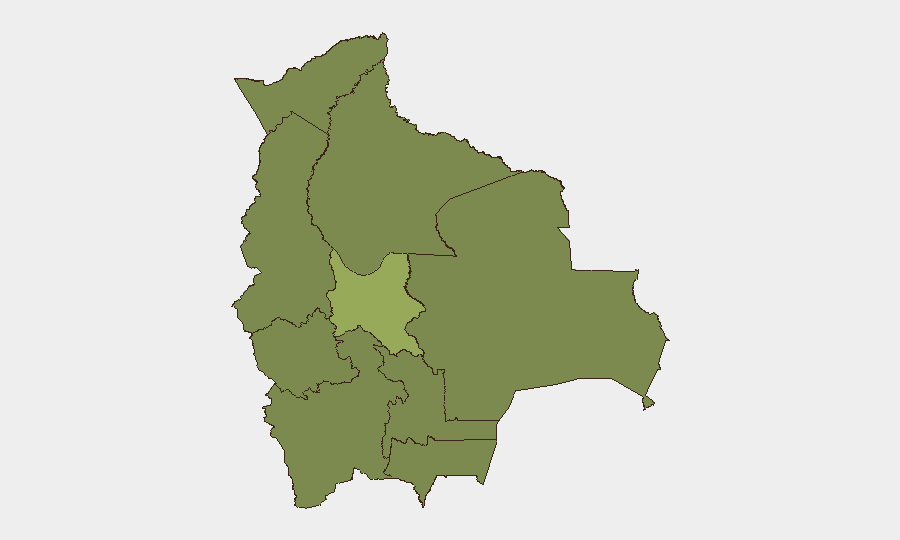
Situation Summary
Bolivia remains under a nationwide state of emergency (in force since 20 June) that grants expanded detention and dispersal powers to police and armed forces, though major road blockades have been lifted following government–labor union agreements. The underlying political and economic grievances—fuel shortages, currency instability, unmet land-reform demands—persist, sustaining a fragile truce rather than genuine resolution. Judicial sector strain has intensified with the Supreme Court threatening operational strikes over funding disputes, further weakening institutional capacity. The risk environment is characterized by latent flashpoints rather than active large-scale violence, but sudden renewal of protests or blockades remains a credible threat.
Key Developments
- Nationwide judicial sector (7–9 July): Bolivia's Supreme Court has escalated pressure on the executive with strike threats contingent on funding increases, affecting court operations and detention procedures across the country during an already-volatile political period.
- Cochabamba Department (ongoing to 9 July): The Chapare region remains under enhanced travel advisory due to persistent security threats linked to coca cultivation, drug trafficking, and unresolved supply-chain tensions; no specific incident reported in the last 24 hours, but advisory status reflects sustained risk.
- La Paz and El Alto (early July): Essential supply and fuel distribution has begun normalizing after >50 days of blockades, easing immediate humanitarian pressure but leaving underlying political demands (economic policy reform, pricing controls) unaddressed.
- National road network (early July): Major intercity blockades have been cleared following COB–government accord, but authorities warn that renewed obstructions could emerge with minimal warning; transport logistics remain vulnerable to sudden disruption.
- Political climate (7–9 July): Anti-government mobilizations have de-escalated into a conditional truce; multiple political actors (deputies, police leadership) continue to issue rejection statements and public criticism of government policy, signaling ongoing institutional friction rather than consensus.
Highest-Risk Areas
Cochabamba Department (composite risk 58) ranks as Bolivia's most volatile region, driven by the Chapare coca-growing zone's persistent association with organized criminal activity, supply-chain disputes, and a history of labor-led blockades. Tarija, La Paz, and Potosí (risk scores 35.6–28.8) register elevated threat due to their role as economic and political flashpoints during the June crisis and their continued sensitivity to fuel prices, currency policy, and indigenous land claims. Smaller departments (Pando, Beni, Oruro, Chuquisaca, Santa Cruz) show comparable scores, reflecting nationwide institutional fragility and protest-mobilization capacity rather than geographically concentrated threats.
How GeoBit Would Assist
Security teams should employ AOI Monitoring & Early Warning on Cochabamba (especially Chapare) and La Paz–El Alto corridors to detect renewed blockade activity or protest mobilization before large-scale disruption; Intel Sweep and OSINT fusion (X/Twitter, Telegram, radio SIGINT) to track labor union and political actor statements signaling escalation; and Routing & Network Analysis to model alternative transportation and supply routes should main highways be cut again. Persistent sentiment analysis on judicial and COB communications will provide early signals of potential institutional or labor-sector strikes.
7-Day Outlook
No major new incidents are expected in the immediate term, but the state of emergency, unresolved economic demands, and judicial sector friction create multiple potential ignition points. Any government action perceived as threatening labor gains or coca-sector interests, or any further judicial action against detained protest leaders, could rapidly catalyze renewed blockades or demonstrations within 7–14 days.
Highest-Risk Areas — Ranked
| # | State / Region | Risk |
|---|---|---|
| 1 | Cochabamba | 58 |
| 2 | Tarija | 35.6 |
| 3 | La Paz | 34 |
| 4 | Potosí | 28.8 |
| 5 | Pando | 28 |
| 6 | Beni | 28 |
| 7 | Oruro | 28 |
| 8 | Chuquisaca | 28 |
| 9 | Santa Cruz | 28 |
Sources
Previous Daily Briefs
A new Bolivia brief is written every day — each with its own risk map and downloadable CSV. Here's the last week; use the calendar to go further back.
📅 Browse every day by calendar →
Highlighted days have a brief. Tap a day for that day's map & analysis, or “csv” for that day's dataset ($5).
Atlas — our AI intelligence desk — emails them this snapshot personally. Nothing else, no list.