Situation Summary
Colombia remains at composite threat rank #18 globally with 523 tracked events, driven primarily by ongoing insurgent activity and armed-group operations across multiple departments. The last 48 hours have seen a marked spike in kinetic incidents—including armed clashes in Antioquia, a bombing of a police station in Arauca, and continued proof-of-life releases from ELN-held hostages—indicating sustained pressure from non-state actors in rural and border zones. Urban insecurity in major cities has also escalated noticeably since April, with rising street crime and robbery, particularly in Bogotá, Cali, Medellín, and Caribbean ports. The security trajectory shows no immediate signs of de-escalation.
Key Developments
- Jericó, Antioquia (14 July): Armed clashes between National Army and presumed Clan del Golfo operatives in rural southwest Antioquia; military presence intensified. Risk of road movement interruptions and incidental exposure to gunfire in affected rural zones.
- Arauca town, Arauca Department (14 July): Explosive attack on police station killed at least two officers and wounded several others. Indicates high-risk urban environment around police facilities and suggests follow-on attack or security operation risk.
- Rural Arauca Department (14 July): New proof-of-life videos released showing CTI (investigative police) agents held by ELN; materials circulated in last 48 hours with hostages calling for humanitarian exchange. Confirms continuing kidnapping and abduction risk in rural Arauca.
- Southwest Antioquia corridor (14–15 July): Intensified military operations against Clan del Golfo structures; expect heightened checkpoints, roadblocks, and possible short-notice security operations affecting overland travel.
- Tibú, Catatumbo region, Norte de Santander (9 July, ongoing impact): Bomb attack on airport administrative offices injured three security staff. Continues to drive heightened security sweeps; adds explosive risk to movements around Tibú airport and nearby roads.
- Panamericana corridor, Cauca, Valle del Cauca, Nariño, Huila (ongoing since late April, latest wave continuing): Series of bomb and explosive-drone attacks concentrated in southwest departments; reinforced military and police presence reported in last days. High-risk travel zone with potential for further closures and checkpoints.
- Major cities—Bogotá, Cali, Medellín, Barranquilla, Cartagena (trend confirmed mid-July): Marked increase in urban street robbery and violent crime, particularly in tourist and nightlife areas at night. Updated travel advisories flag "alarming" growth in insecurity in recent months.
Highest-Risk Areas
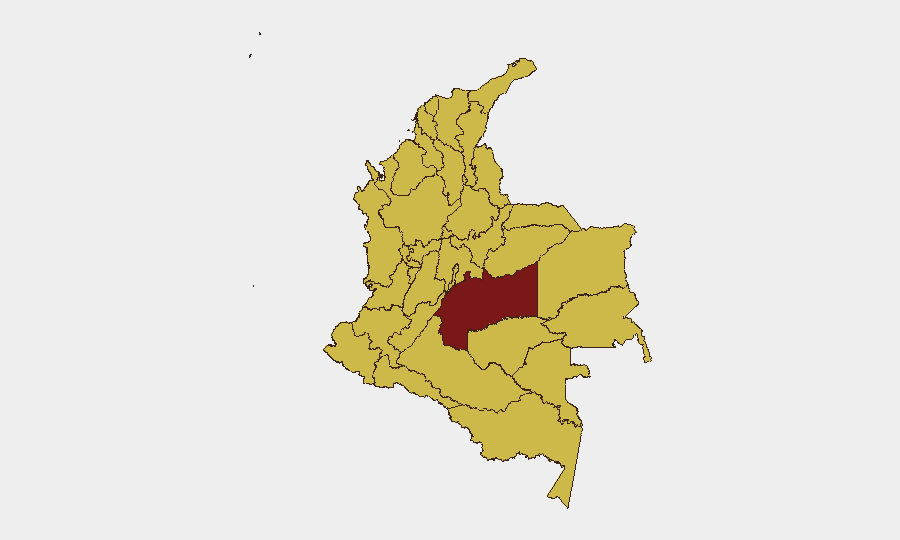
Meta Department ranks highest (risk 91), driven by insurgent activity and territorial control disputes. The Capital District (68.4) faces elevated urban crime and organized-crime operations, while the border departments—Nariño (67.7), Norte de Santander (66.2), and Arauca (ranked 4th–5th tier)—are hotspots for ELN, Clan del Golfo, and Venezuelan-linked criminal activity, including kidnapping, explosives use, and clashes with state forces. Southwest Antioquia and the Cauca/Valle del Cauca corridor remain persistent conflict zones, with recent kinetic activity and bomb attacks. The clustering of incidents in border and southwest rural zones reflects armed groups' operational preference for territorial control and supply-line protection.
How GeoBit Would Assist
Security teams monitoring Colombia would deploy Intel Sweep and global event feeds to track daily incident signals across departments, coupled with OSINT fusion (X/Telegram monitoring, multi-language search) to identify emerging attack patterns and hostage developments. AOI Monitoring & Early Warning on Meta, Arauca, and the Panamericana corridor provides persistent watch with alerts on clashes, checkpoints, and explosives use. Routing & Network Analysis generates real-time alternative-route planning for personnel and asset movement, bypassing active conflict zones and checkpoints flagged in the last 24–48 hours.
7-Day Outlook
Expect continued kinetic activity in Meta, Arauca, and southwest Antioquia as military operations against Clan del Golfo and ELN persist. Road and airport movement risks will remain elevated, with possible further bombings on critical infrastructure in border zones. Urban crime in major cities is unlikely to diminish rapidly; personnel security protocols should remain elevated through the outlook window.
Highest-Risk Areas — Ranked
| # | State / Region | Risk |
|---|---|---|
| 1 | Meta Department | 91 |
| 2 | Capital District | 68.4 |
| 3 | Nariño | 67.7 |
| 4 | Norte de Santander Department | 66.2 |
| 5 | Cauca | 65.2 |
| 6 | Santander Department | 64.3 |
| 7 | Sucre Department | 63.9 |
| 8 | La Guajira | 63.5 |
| 9 | Valle del Cauca Department | 62.6 |
| 10 | Atlántico Department | 62.3 |
| 11 | Bolívar Department | 62.1 |
| 12 | Tolima Department | 62.1 |
Sources
Previous Daily Briefs
A new Colombia brief is written every day — each with its own risk map and downloadable CSV. Here's the last week; use the calendar to go further back.
📅 Browse every day by calendar →
Highlighted days have a brief. Tap a day for that day's map & analysis, or “csv” for that day's dataset ($5).
Atlas — our AI intelligence desk — emails them this snapshot personally. Nothing else, no list.