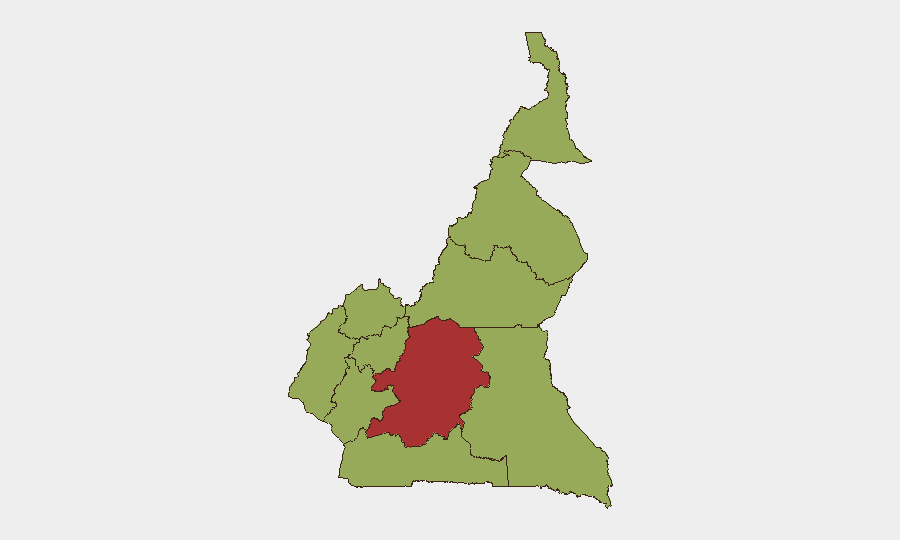
Situation Summary
Cameroon remains at composite threat rank #28 globally with a score of 67, reflecting persistent instability across multiple regions driven by separatist activity in the Northwest and Southwest, and jihadist operations in the Far North. As of 28 July 2026, open-source monitoring indicates no major confirmed security incidents in the preceding 24–48 hours; however, the absence of reported events does not signal improvement, but rather a reporting lull within an environment of sustained baseline risk. The Centre region (risk score 76.8) substantially outpaces all other administrative divisions and warrants heightened attention for corporate operations and personnel.
Key Developments
- Reporting Lull (24–48h window ending 28 July): Dedicated daily threat briefing and multi-source OSINT monitoring (news feeds, regional media, geolocated social media) confirm no clearly timestamped security or travel-risk incidents in Cameroon during this period. This represents a temporary absence of reported events rather than a cessation of underlying risk.
- Bali Nyonga, Mezam Division, Northwest (19–20 July, recent context): Separatist gunmen attacked a bar, killing one businessman, injuring two others, and burning a public building. This incident, while outside the strict 24–48h window, represents the most recent verifiably dated armed attack in the Northwest and illustrates the persistence of localized violence in that region.
- Dabanga, Waza District, Far North (mid-July, recent context): Suspected Boko Haram fighters conducted a deadly raid killing seven civilians and injuring others. This reflects continued jihadist activity in the Far North and is the most recent clearly documented incident of that threat vector.
- Regional Border Tension (26 July): A public statement between Nigeria and Cameroon was recorded, and arrest/detention activity was noted in Maiduguri (27 July) involving Cameroon. These events suggest ongoing cross-border diplomatic or security friction that may constrain movement and complicate operations near the Nigeria–Cameroon frontier.
- Persistent Separatist & Jihadist Threat (since early July): Recent surveillance of local and regional media confirms clustering of violent events during 14–20 July across Northwest and Far North regions, with no break in the pattern of low-intensity but recurring armed activity.
Highest-Risk Areas
Centre region dominates the sub-national risk landscape (76.8), more than 30 points above all other administrative divisions, and encompasses the capital and primary commercial hub; risk drivers in Centre warrant investigation at the operational and political level. Northwest, Southwest, West, Littoral, Adamawa, South, Far North, North, and East regions all register identical composite scores (46.8), reflecting a broad distribution of separatist and jihadist activity. The consistency of risk across nine regions underscores that instability is structural and multi-vector rather than concentrated in isolated pockets; personnel and assets in any region outside Centre should maintain baseline vigilance.
How GeoBit Would Assist
Corporate security teams should deploy AOI Monitoring & Early Warning on offices, supply routes, and personnel clusters in Centre and Northwest regions to detect emerging incidents in real time. OSINT fusion and multi-language media search across conflict, terrorism, and crime feeds will provide continuous cross-source corroboration of incident reports and separatist/jihadist activity to inform duty-of-care decisions. Routing & Network Analysis can identify alternative movement corridors and assess border-crossing security posture to reduce exposure during periods of elevated regional tension.
7-Day Outlook
No imminent spike is evident in current reporting, but the baseline of separatist and jihadist activity in Northwest and Far North regions should be assumed to persist. Personnel movements and supply operations should maintain heightened situational awareness, particularly near the Nigeria border and in Centre-region urban areas. Continued OSINT monitoring is essential to detect any escalation or new attack clusters before they impact operations.
Highest-Risk Areas — Ranked
| # | State / Region | Risk |
|---|---|---|
| 1 | Centre | 76.8 |
| 2 | Northwest | 46.8 |
| 3 | Southwest | 46.8 |
| 4 | West | 46.8 |
| 5 | Littoral | 46.8 |
| 6 | Adamawa | 46.8 |
| 7 | South | 46.8 |
| 8 | Far-North | 46.8 |
| 9 | North | 46.8 |
| 10 | East | 46.8 |
Sources
Previous Daily Briefs
A new Cameroon brief is written every day — each with its own risk map and downloadable CSV. Here's the last week; use the calendar to go further back.
📅 Browse every day by calendar →
Highlighted days have a brief. Tap a day for that day's map & analysis, or “csv” for that day's dataset ($5).
Atlas — our AI intelligence desk — emails them this snapshot personally. Nothing else, no list.