Situation Summary
Cuba remains at moderate composite threat level (#105 globally, score 7) amid acute infrastructure stress and civil unrest concentrated in Havana. A severe national electricity crisis has triggered widespread cacerolazos (pot-banging protests) and street blockages across multiple neighborhoods since 29 July, with state security responding through detentions, heightened patrols, and intimidation of participants. The convergence of prolonged blackouts, water shortages, and protest-driven police action has elevated short-term risk to residents and personnel in the capital, particularly in lower-income districts.
Key Developments
- Havana, El Fanguito (Vedado) – 30 July morning: Residents blocked Avenida 23 and adjacent streets protesting 48+ hours without electricity, water, or gas; independent media and X documented street barricades and confrontations with police.
- Havana, Zapata y C police unit (Vedado) – 30 July morning: State Security detained two mothers who had participated in the El Fanguito blackout protest and were holding detainees; they were arrested upon inquiry about relatives' whereabouts.
- Havana, Lawton neighborhood – 29 July night: During a cacerolazo protest against blackouts, a woman was struck by a vehicle and seriously injured; the incident was filmed and circulated on social media, sparking public outrage.
- Havana, Lawton and 10 de Octubre – 29-30 July night-to-morning: Multiple cacerolazos and temporary street blockages occurred across neighborhoods in response to continuing power cuts; debris barricades and traffic obstruction documented on X and YouTube.
- Havana, El Fanguito and adjacent areas – 29-30 July: Reinforced police and State Security presence reported; plainclothes officers and patrol vehicles monitoring the neighborhood to deter further unrest.
- Havana, San Miguel del Padrón (El Diezmero) – 29 July night: Heightened police deployment reported amid water and power shortage complaints; citizen journalists documented patrol vehicles and uniformed officers at key junctions.
- National electric grid – 29-30 July: State power utility reported record-level generation deficits and localized outages across the island; independent sources link grid stress directly to Havana-concentrated protest activity.
- Havana – 29 July onward: Human-rights monitors document at least a dozen short-term detentions and interrogations of activists and neighbors connected to blackout protests and cacerolazos.
Highest-Risk Areas
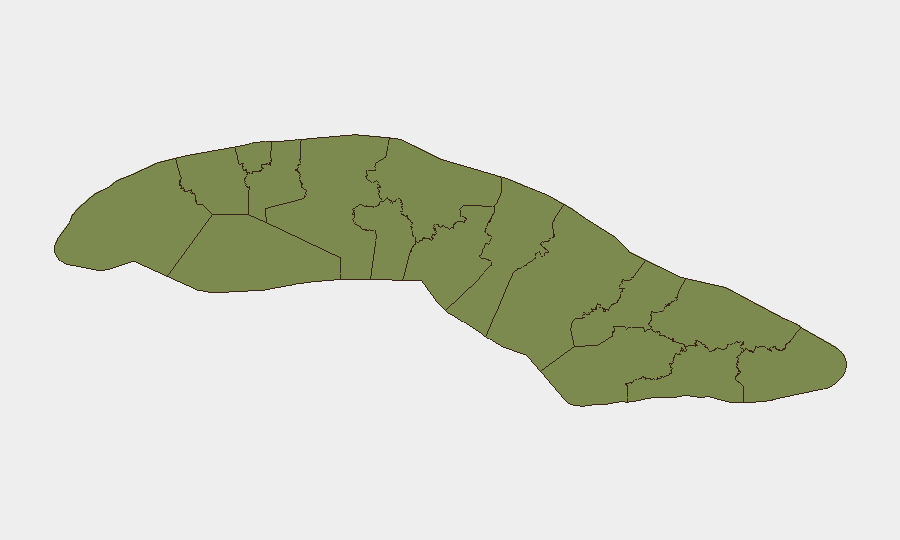
Havana dominates the risk profile (score 32.9), driven by infrastructure collapse, street-level unrest, and police/security response intensity. Three secondary cities—Artemisa, Matanzas, and Santiago de Cuba—register identical moderate scores (5.3), reflecting baseline civil and administrative tensions. The capital's concentration of economic activity, population density, and international presence makes blackout-driven protests and security responses materially more consequential for corporate personnel and assets than developments in provincial areas.
How GeoBit Would Assist
Teams with personnel or assets in Cuba should deploy AOI Monitoring & Early Warning on Havana's highest-risk neighborhoods (El Fanguito, Lawton, 10 de Octubre, San Miguel del Padrón) to track protest activity, police deployments, and infrastructure status in near-real-time. OSINT fusion (X/Twitter, Telegram, YouTube, and independent media feeds) combined with sentiment & temporal analysis enables rapid detection of emerging unrest before detentions or violence escalate. Conflict & risk assessment and alternative routing & journey planning tools help security teams assess movement safety and adjust personnel schedules around active protest zones.
7-Day Outlook
Electricity rationing is forecast to persist through early August absent rapid grid repair, sustaining the immediate grievance pool for further demonstrations. Expect continued security-force presence, sporadic detentions, and street-level friction in Havana's lower-income districts. Escalation to larger, island-wide unrest remains possible if blackouts exceed 72 hours in succession or if detention practices intensify.
Highest-Risk Areas — Ranked
| # | State / Region | Risk |
|---|---|---|
| 1 | Havana | 32.9 |
| 2 | Artemisa | 5.3 |
| 3 | Matanzas | 5.3 |
| 4 | Santiago de Cuba | 5.3 |
| 5 | Pinar del Rio | 3.7 |
| 6 | Mayabeque | 2.9 |
| 7 | Cienfuegos | 2.9 |
| 8 | Villa Clara | 2.9 |
| 9 | Isle of Youth | 2.9 |
| 10 | Sancti Spiritus | 2.9 |
| 11 | Ciego de Avila | 2.9 |
| 12 | Camagüey | 2.9 |
Sources
Previous Daily Briefs
A new Cuba brief is written every day — each with its own risk map and downloadable CSV. Here's the last week; use the calendar to go further back.
📅 Browse every day by calendar →
Highlighted days have a brief. Tap a day for that day's map & analysis, or “csv” for that day's dataset ($5).
Atlas — our AI intelligence desk — emails them this snapshot personally. Nothing else, no list.