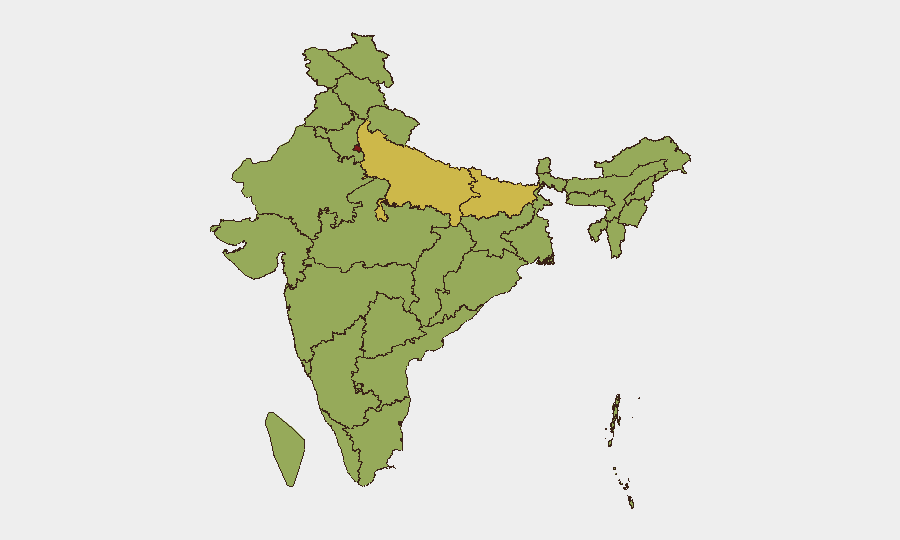
Situation Summary
India's composite threat score of 72 (rank #16 globally) reflects an active period of civil unrest, counter-terrorism operations, and infrastructure incidents concentrated in the capital region and Kashmir. The past 48 hours have seen police-protester clashes in Delhi, a major security crackdown in Jammu & Kashmir, cross-border military strikes, and localized civil disorder in West Bengal and Maharashtra. Risk trajectory is elevated but regionally dispersed; no nationwide destabilization is signaled, but operational friction and travel disruption are likely to persist through early August in high-alert zones.
Key Developments
- Jantar Mantar, New Delhi (July 29, 23:00 hrs IST). Renewed clashes between protesters and Delhi Police resulted in lathi-charges and tear-gas deployment; six police personnel, including two ACP-rank officers, were hospitalized. Multiple mainstream outlets and X/Twitter protest videos confirm use of force.
- Jammu & Kashmir, multi-district crackdown (July 28–29). Following a targeted killing of a policeman in Anantnag, security forces detained approximately 2,000 suspected Over Ground Workers across the UT, with concentrated sweeps in Srinagar (~700), Baramulla, Budgam, and Ganderbal. Real-time police and journalist updates on X/Twitter corroborate scale and scope.
- Shopian district, Jammu & Kashmir (July 29, ongoing). Counter-terrorism operation under way in an orchard area; security forces have surrounded two suspected Lashkar-e-Taiba militants. Live updates from regional journalists indicate cordon-and-search activity with intermittent firing reported.
- Operation Sindoor, cross-border strikes (July 29, 02:00–06:00 hrs IST). Indian armed forces conducted missile strikes on nine terror targets in Pakistan and PoJK in retaliation for the Pahalgam terror attack (background: late July). Direct consequence: flight cancellations across North India, including shutdown of Srinagar airport operations.
- Hydropower tunnel rescue, location unspecified (July 29, ongoing). Toxic gas continues to hamper rescue efforts for 13 workers trapped in a major hydro project; emergency services report access difficulties. Operational impact likely at project site and surrounding areas.
- Baruipur, South 24 Parganas, West Bengal (July 26–29). Recovery of a minor girl's body from a pond triggered widespread public unrest; police deployments and protest gatherings sustained into July 28–29, creating localized civil-order risk on Kolkata's outskirts.
- Ahmedabad, Gujarat and Mumbra, Maharashtra (July 29). Industrial accident and flooding-related incident, respectively, flagged in live tracking feeds; both show active emergency response and short-term local disruption.
Highest-Risk Areas
Delhi (80.2) dominates the immediate risk picture, driven by active police-protester friction and underlying civil grievances. Kashmir—encompassing Jammu & Kashmir UT (55.5 rank) and proximate northern zones—faces the highest terrorism and counter-insurgency intensity, with mass detentions and active combat operations creating sustained operational hazard. Bihar (62.9), Uttar Pradesh (60.3), and Assam (56.5) round out the top tier, reflecting chronic civil-order and communal tensions. Northern and central India, including Punjab, Madhya Pradesh, and Uttarakhand, maintain elevated baselines (53–54 range), indicating structural fragility around education, labor, and governance friction points.
How GeoBit Would Assist
Security teams operating in India should employ AOI Monitoring & Early Warning on Delhi, Kashmir, and key transport hubs to detect escalation signals in real time. Intel Sweep and X/Twitter OSINT capabilities enable continuous sentiment and event tracking across protest nodes and security force movements. Routing & Network Analysis and Aviation tracking help corporate teams plan safe alternative travel routes and monitor flight-status impacts tied to regional security events.
7-Day Outlook
Unrest in Delhi and West Bengal is likely to persist at tactical intensity (localized clashes, intermittent dispersals) through early August. Kashmir will remain under high security alert and curfew-adjacent conditions, with ongoing counter-terrorism sweeps delaying normalization. Cross-border military tension may sustain flight disruptions and checkpoint delays; no escalation to major regional conflict is currently indicated, but operational friction will remain material for travel and asset-movement planning.
Highest-Risk Areas — Ranked
| # | State / Region | Risk |
|---|---|---|
| 1 | Delhi | 80.2 |
| 2 | Bihar | 62.9 |
| 3 | Uttar Pradesh | 60.3 |
| 4 | Assam | 56.5 |
| 5 | Madhya Pradesh | 55.6 |
| 6 | Jammu and Kashmir | 55.5 |
| 7 | Karnataka | 55.4 |
| 8 | Maharashtra | 54.4 |
| 9 | Punjab | 53.7 |
| 10 | West Bengal | 53.3 |
| 11 | Uttarakhand | 53.1 |
| 12 | Tamil Nadu | 52.6 |
Sources
Previous Daily Briefs
A new India brief is written every day — each with its own risk map and downloadable CSV. Here's the last week; use the calendar to go further back.
📅 Browse every day by calendar →
Highlighted days have a brief. Tap a day for that day's map & analysis, or “csv” for that day's dataset ($5).
Atlas — our AI intelligence desk — emails them this snapshot personally. Nothing else, no list.