Situation Summary
Cuba faces an acute energy crisis triggering an island-wide blackout (31 July–1 August 2026) that has catalyzed mass street protests, expanded government militarization in urban centers, and documented detentions of activists. The confluence of infrastructure failure, civil unrest, and security-force response has degraded operational security and duty-of-care conditions across the country, most critically in Havana. Ongoing power-generation deficits (>2,300 MW) signal that blackouts will persist and potentially worsen over the coming week, sustaining protest pressure and state repression.
Key Developments
- Island-wide blackout (31 July 2026, nationwide). Cuba's national electric grid collapsed, leaving ~10 million residents without power for approximately 29 hours. Authorities acknowledge a record generation deficit and continued thermoelectric plant failures, indicating systemic vulnerability and high recurrence risk.
- Mass street protests in Havana (night of 31 July 2026, Jaimanitas, La Güinera, Centro Habana, Playa municipality). Residents conducted *cacerolazos* and road blockades, with documented gatherings in Repartos Barbosa, La Genética, and along Avenida 23 following 30+ consecutive hours without power, water, or gas. Video evidence circulating on social media documents crowds and security-force presence.
- Road blockades and traffic disruption (late 31 July 2026, El Fanguito & Avenida 23, Havana). Residents blocked major arterial roads in response to extended outages, disrupting commercial and civilian movement and drawing uniformed personnel.
- Increased militarization in Havana (31 July 2026, central Havana and key urban zones). Government has expanded uniformed personnel and checkpoints in central areas; witness accounts report authorities rapidly dispersing gatherings and conducting arbitrary detentions.
- Documented detentions and repression (31 July 2026, multiple locations including Havana). Human-rights monitoring groups report new arrests, threats, and ill-treatment of protest participants and observers, consistent with broader government crackdown on blackout-related demonstrations.
- Foreign travel advisories updated (31 July 2026, country-wide emphasis). France, Germany, and other governments reiterated warnings against non-essential travel, citing energy crisis, blackouts, medical-service disruption, and emerging civil unrest.
- Diplomatic tension escalation (1 August 2026). Embassy–government relations show strain; ambassadorial statements critical of Cuban authorities and bank–media disputes signal deepening institutional friction during the crisis.
Highest-Risk Areas
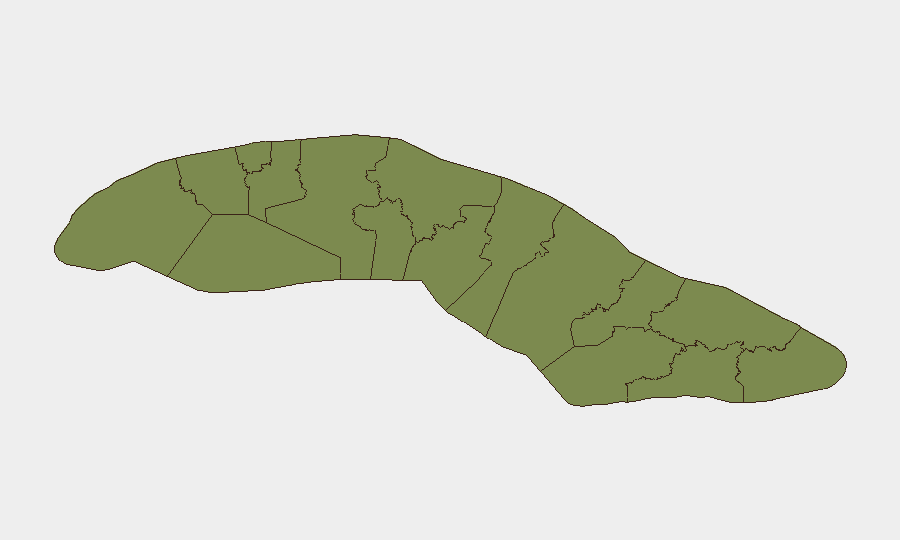
Havana dominates the risk profile (score 34.2), reflecting the concentration of population, critical infrastructure, and security-force activity in the capital. Granma province (18.5) ranks second, though current event density centers on Havana's neighborhoods (Playa, Centro, La Habana Vieja). Matanzas and Santiago de Cuba (7.1 each) represent secondary urban flashpoints where energy disruption and latent discontent pose emerging unrest risk. Risk in lower-ranked provinces (Artemisa, Camagüey, etc.) remains subordinate but should be monitored as blackouts persist.
How GeoBit Would Assist
Real-time AOI Monitoring & Early Warning on Havana neighborhoods (Playa, Centro, El Fanguito) provides persistent alerting on gathering patterns and security-force positioning ahead of cascading protests. OSINT fusion (X/Twitter, Telegram, video intelligence) corroborates protest locations, timing, and sentiment in near real-time, enabling duty-of-care teams to route personnel away from conflict zones. Routing & Network Analysis supports alternative journey planning around documented road blockades and militarized checkpoints, while entity extraction flags detained individuals or detained-risk profiles linked to activism.
7-Day Outlook
The power-generation deficit and thermoelectric-plant failures show no near-term resolution; blackouts will likely persist and cycle over the next 7 days, sustaining grassroots anger and protest momentum. Government militarization and detentions signal intent to suppress demonstrations through force and fear, increasing confrontation risk and arbitrary-detention exposure in central Havana and secondary urban centers. Personnel and asset operators should anticipate deteriorating essential services, unpredictable curfews or movement restrictions, and elevated checkpoints through early August.
Highest-Risk Areas — Ranked
| # | State / Region | Risk |
|---|---|---|
| 1 | Havana | 34.2 |
| 2 | Granma | 18.5 |
| 3 | Matanzas | 7.1 |
| 4 | Santiago de Cuba | 7.1 |
| 5 | Artemisa | 6.3 |
| 6 | Camagüey | 5.6 |
| 7 | Pinar del Rio | 4.9 |
| 8 | Mayabeque | 4.9 |
| 9 | Cienfuegos | 4.2 |
| 10 | Villa Clara | 4.2 |
| 11 | Isle of Youth | 4.2 |
| 12 | Sancti Spiritus | 4.2 |
Sources
Previous Daily Briefs
A new Cuba brief is written every day — each with its own risk map and downloadable CSV. Here's the last week; use the calendar to go further back.
📅 Browse every day by calendar →
Highlighted days have a brief. Tap a day for that day's map & analysis, or “csv” for that day's dataset ($5).
Atlas — our AI intelligence desk — emails them this snapshot personally. Nothing else, no list.