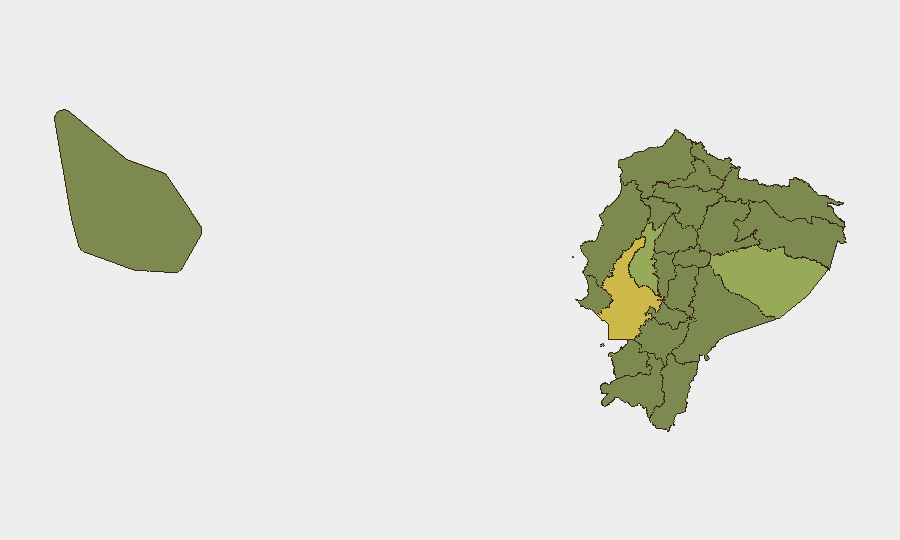
Situation Summary
Ecuador remains under a state of emergency spanning at least 16 provinces, with organized-crime violence—particularly rivalry between Los Choneros and competing gangs—driving persistent homicides, armed clashes, and targeted killings of high-profile civilians, including legal professionals. The past 48 hours have seen five separate organized-crime incidents (assassination, massacre, lawyer killing, and armed gang clash) concentrated in Guayas, Manabí, Los Ríos, and Santa Elena provinces, signaling sustained operational tempo by criminal networks despite large-scale police sweeps. Mobility remains constrained by checkpoints and roadblock risk; civil unrest tied to economic grievances remains a secondary but notable risk vector.
Key Developments
- Santa Elena province, Altos de Olón (18 July 2026): David Gabriel Macías Villamar, brother of Los Choneros leader "Fito," was shot dead with at least 43 bullets in a targeted assassination at a residential complex, indicating high-level organized-crime targeting.
- Guayas province, El Triunfo (18 July 2026): Security forces clashed with presumed Los Águilas gang members on a rural hacienda; nine suspects were captured after gunfire exchange and attempted flight into banana plantations.
- Manabí province, Chone (18 July 2026): Lawyer Juan López was shot and killed while accompanying his child to school, marking the second attorney murdered in the province within 25 hours and signaling elevated risk to professional classes.
- Los Ríos province, Buena Fe (18 July 2026): Four people were executed and one wounded in a coordinated hacienda raid in which gunmen confirmed victims' identities via videocall before killing, consistent with organized-crime execution protocol.
- Manabí province, Montecristi (18 July 2026): Two young victims (ages 24 and 17) were found dead under violent circumstances, attributed to ongoing organized-crime activity.
- Guayas province, urban zones (15–16 July 2026, ongoing commentary): National Police conducted Operativo Apolo 23, a multi-district sweep across Guayaquil, Durán, and Samborondón resulting in 35 arrests and vehicle seizures, though follow-on organization-crime incidents suggest limited disruption of criminal networks.
- National (ongoing): State of emergency checkpoints, roadblocks, and airport-access closures remain active; demonstration risk linked to economic grievances continues.
Highest-Risk Areas
Guayas Province (63.5) dominates the risk profile, driven by organized-crime turf disputes, large urban criminal gang populations, and the concentration of recent major operations and homicides in Guayaquil and rural cantons. Pastaza (53.5), Los Ríos (43.5), and Manabí (33.5) follow, with Manabí registering acute spike in lawyer killings and rural gang violence within the past 48 hours. These four provinces account for the majority of recent lethal incidents and reflect uneven state capacity in rural agricultural zones and secondary urban centers where gang control of territory remains contested.
How GeoBit Would Assist
Teams with personnel or assets in high-risk provinces would deploy AOI Monitoring & Early Warning on Guayas, Manabí, and Los Ríos to detect roadblock placement, checkpoint activity, and security-force operations before mobility is affected. Network & Actor Analysis combined with OSINT fusion (X/Telegram feeds, local media, police scanner intelligence) would track Los Choneros and competing gang communications for targeting patterns and territorial shifts. Routing & Network Analysis would enable real-time alternative-route planning around confirmed checkpoints and gang-controlled corridors.
7-Day Outlook
Organized-crime violence is likely to remain elevated over the near term, with secondary targeting of professionals, rural property owners, and individuals associated with rival gang affiliates. Police operations (Operativo Apolo 23 model) may intensify in urban zones, driving short-term checkpoint proliferation and mobility delays. Civil unrest risk remains secondary but could spike if economic conditions deteriorate or government messaging triggers larger demonstrations.
Highest-Risk Areas — Ranked
| # | State / Region | Risk |
|---|---|---|
| 1 | Guayas Province | 63.5 |
| 2 | Pastaza Province | 53.5 |
| 3 | Los Ríos Province | 43.5 |
| 4 | Sucumbíos Province | 33.9 |
| 5 | Pichincha Province | 33.9 |
| 6 | Orellana Province | 33.5 |
| 7 | Manabí Province | 33.5 |
| 8 | Galápagos | 33.5 |
| 9 | Esmeraldas Province | 33.5 |
| 10 | Carchi Province | 33.5 |
| 11 | Imbabura Province | 33.5 |
| 12 | Santo Domingo de los Tsáchilas Province | 33.5 |
Sources
Previous Daily Briefs
A new Ecuador brief is written every day — each with its own risk map and downloadable CSV. Here's the last week; use the calendar to go further back.
📅 Browse every day by calendar →
Highlighted days have a brief. Tap a day for that day's map & analysis, or “csv” for that day's dataset ($5).
Atlas — our AI intelligence desk — emails them this snapshot personally. Nothing else, no list.