Situation Summary
North Korea's security environment remains structurally elevated but without acute crisis indicators as of 28 July 2026. Recent activity reflects routine force-posture refinements, embedded labor-discipline operations, and persistent non-kinetic threats rather than imminent kinetic escalation. Monsoon-season infrastructure vulnerability and ongoing cyber-enabled financial crime from DPRK-linked actors continue as background risk drivers. The country ranks #108 globally (composite threat score 10) with 29 tracked events, reflecting sustained medium-level tension without dramatic near-term deterioration.
Key Developments
- Nationwide – 26–27 July 2026 – No major weapons tests or border clashes detected; operational tempo within historical norms. Routine elevated security posture persists; missile readiness, cyber operations, and defector-interdiction remain embedded operational priorities. No verified acute escalation reported in the last 48 hours.
- Healthcare and labor sectors nationwide – 26–27 July 2026 – Heightened detention and administrative friction flagged in worker-compliance enforcement. Recent signals indicate fresh detention activity and internal security pressure affecting medical and related-sector personnel, consistent with ongoing labor-discipline operations.
- Saneum-dong missile research complex, P'yŏngyang; Yeongjeori area – 27 July 2026 – Newer 8- and 9-axle mobile missile launchers dispersed to forward and rear positions. Satellite imagery confirms completed deployment of TELs (transporter-erector-launcher vehicles) to expanded operational locations, materially affecting strike readiness and targeting complexity. No associated launch activity in the last 48 hours.
- Air-defense command posts, P'yŏngyang and forward DMZ regions – current assessment period – Air Defense Command revised tactical procedures for radar and anti-drone countermeasures. Updated operating protocols reflect refined focus on unmanned-aircraft infiltration threats around the capital and border areas; reflects incremental posture adjustment rather than crisis response.
- Nationwide – 26–27 July 2026 – Monsoon-season infrastructure vulnerability remains active risk driver. July–September exposure to seasonal flooding, landslides, and transport disruption documented as background threat; no confirmed major flood events in the last 48 hours.
- Cyber domain (global targeting) – reporting window overlapping current period – Ongoing cryptocurrency theft and malicious-package distribution by DPRK-linked threat actors. North Korean groups stole approximately USD 700 million in cryptocurrency in H1 2026 and continue deploying fake software packages in official repositories to target developers globally; a non-kinetic threat with operational impact on global corporate and development environments.
Highest-Risk Areas
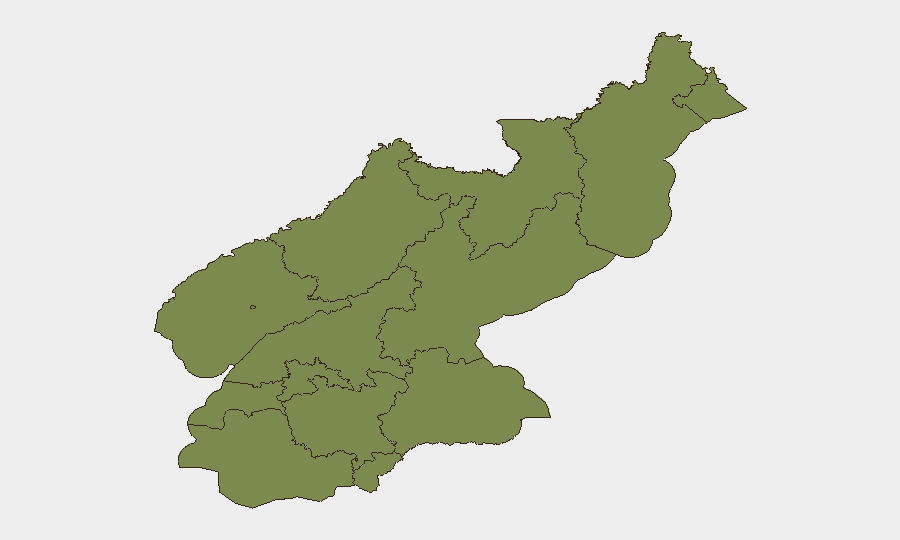
P'yŏngyang dominates the sub-national risk landscape (37.2), driven by concentration of command infrastructure, air-defense systems, and force-posture changes (missile-launcher dispersal, radar refinements). Secondary provincial-level risk (7.2–8.3 across Kangwon, Kaesong, Ryanggang, North Hamgyong, and other regions) reflects baseline border tension, labor-enforcement activity, and structural isolation rather than localized acute events. Risk is distributed rather than geographically concentrated outside the capital, consistent with nationwide labor-compliance and seasonal (monsoon) vulnerabilities.
How GeoBit Would Assist
Corporate security teams with personnel or assets in North Korea should deploy AOI Monitoring & Early Warning on P'yŏngyang and forward border regions to track air-defense and missile-launcher movements; Satellite & Imagery Analysis to corroborate force-posture changes and infrastructure disruption; and Intel Sweep (X/Telegram OSINT, multi-language event feeds, sentiment analysis) to detect shifts in official messaging or labor-enforcement announcements. Cyber threat monitoring and network actor analysis capabilities would contextualize ongoing DPRK-linked financial crime and supply-chain threats affecting corporate systems globally.
7-Day Outlook
No acute kinetic escalation is expected in the near term; structural tension and force-posture refinement will likely persist. Monsoon season (July–September) poses elevated secondary-risk from flooding, landslides, and logistics disruption. Cyber-enabled financial crime from DPRK actors will remain a global operational concern independent of peninsula security dynamics.
Highest-Risk Areas — Ranked
| # | State / Region | Risk |
|---|---|---|
| 1 | P'yŏngyang | 37.2 |
| 2 | Kangwon | 8.3 |
| 3 | Kaesong | 7.6 |
| 4 | Ryanggang | 7.2 |
| 5 | North Hamgyong | 7.2 |
| 6 | North Pyongan | 7.2 |
| 7 | Chagang | 7.2 |
| 8 | South Pyongan | 7.2 |
| 9 | Nampo | 7.2 |
| 10 | South Hwanghae | 7.2 |
| 11 | North Hwanghae | 7.2 |
| 12 | South Hamgyong | 7.2 |
Sources
Previous Daily Briefs
A new North Korea brief is written every day — each with its own risk map and downloadable CSV. Here's the last week; use the calendar to go further back.
📅 Browse every day by calendar →
Highlighted days have a brief. Tap a day for that day's map & analysis, or “csv” for that day's dataset ($5).
Atlas — our AI intelligence desk — emails them this snapshot personally. Nothing else, no list.