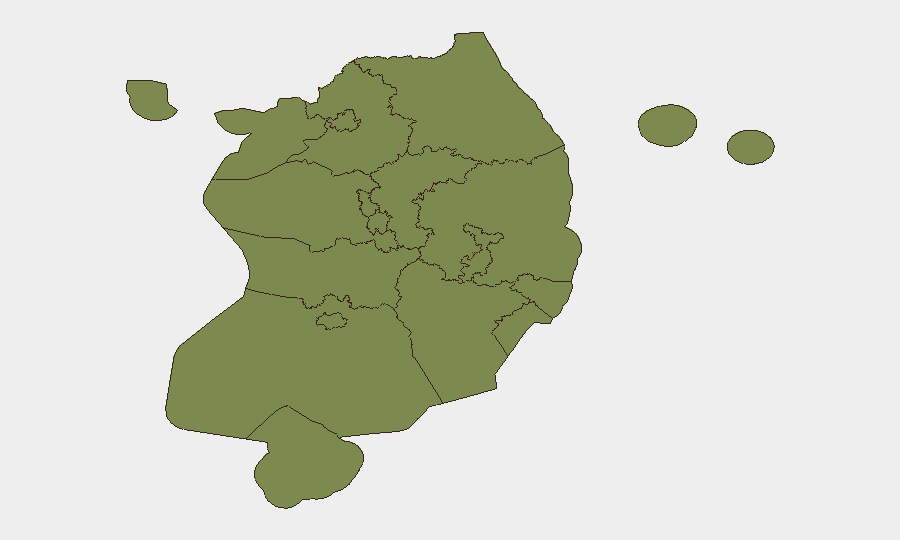
Situation Summary
South Korea remains a low-threat environment globally (composite rank #178) but exhibits acute concentration of risk in Seoul and North Chungcheong province. Recent event signals include unconventional violence, small-arms incidents, and political-legal developments tied to the 2024 martial-law crisis. The security posture reflects underlying political polarization and localized civil unrest rather than systemic instability or organized threat networks.
Key Developments
- Seoul, 2026-07-09: South Korea's Supreme Court upheld a 7-year prison sentence against former President Yoon Suk Yeol for his 2024 martial-law declaration. This landmark ruling closes a high-stakes legal chapter but may intensify political divisions and protest activity among supporters and opponents.
- Seoul, 2026-07-08: Small-arms combat incident reported; exact details and casualty count remain unclear from available sources. This represents the most acute kinetic event in the current signal set and warrants monitoring for follow-on incidents or related civil unrest.
- North Chungcheong, 2026-07-08: Unconventional violence and physical assault tied to school facilities reported; context suggests civil-sector or student-led grievance activity rather than criminal enterprise.
- Busan, 2026-07-09: Unconventional violence incident reported; specific trigger and scale unknown from current reporting.
- National, 2026-07-09: Citizen-level demand and party-member appeals to lawmakers signal elevated political engagement and potential protest mobilization around policy or justice outcomes.
- Cyber/regulatory, 2026-07-09: Major U.S. cloud providers are pressing Washington over South Korea's proposed cloud-security approval overhaul, reflecting ongoing digital-regulatory friction that may complicate business continuity for multinational operations.
- Sector resilience, 2026-07-09: Retail sector has elevated information-security posture following earlier Coupang data breach, indicating heightened organizational vulnerability awareness but no new active breach.
Highest-Risk Areas
Seoul and North Chungcheong dominate the risk profile, accounting for the majority of tracked threat events. Seoul's risk score (31.6) reflects its role as the political, economic, and media center—making it the focal point for protest, political confrontation, and sensitive incidents. North Chungcheong's elevated score (29.8) appears linked to education-sector unrest and civil grievances. All other provinces remain below risk 5, indicating that risk is highly concentrated geographically; duty-of-care teams with staff or operations in the capital and North Chungcheong should apply elevated monitoring protocols.
How GeoBit Would Assist
Security teams can use GeoBit's Intel Sweep and multi-language event feeds to ingest real-time Korean-language signals on civil unrest, protest mobilization, and political-legal developments. AOI Monitoring & Early Warning with persistent watch on Seoul and North Chungcheong would provide advance alerting on gathering activity, roadblocks, or escalation before they affect operations or personnel movement. Network & Actor Analysis would help map protest coalitions and political factions to forecast likely flashpoints and timing tied to court rulings, legislative votes, or memorial events.
7-Day Outlook
The Yoon sentencing ruling and associated political polarization are likely to sustain elevated civil-unrest risk over the next week, particularly around protest anniversaries and legislative responses. Monitoring for secondary incidents—counter-protests, roadblocks, or localized violence—should remain active in Seoul and North Chungcheong. Overall threat trajectory remains manageable provided no major destabilizing event (e.g., inter-Korean military escalation or security-force overreaction) occurs.
Highest-Risk Areas — Ranked
| # | State / Region | Risk |
|---|---|---|
| 1 | Seoul | 31.6 |
| 2 | North Chungcheong | 29.8 |
| 3 | North Gyeongsang | 4.8 |
| 4 | Busan | 4.5 |
| 5 | Jeju | 2.7 |
| 6 | Gyeonggi | 2.1 |
| 7 | Incheon | 1.9 |
| 8 | Gangwon State | 1.9 |
| 9 | South Jeolla | 1.9 |
| 10 | Daegu | 1.9 |
| 11 | South Gyeongsang | 1.9 |
| 12 | South Chungcheong | 1.6 |
Sources
Previous Daily Briefs
A new South Korea brief is written every day — each with its own risk map and downloadable CSV. Here's the last week; use the calendar to go further back.
📅 Browse every day by calendar →
Highlighted days have a brief. Tap a day for that day's map & analysis, or “csv” for that day's dataset ($5).
Atlas — our AI intelligence desk — emails them this snapshot personally. Nothing else, no list.