Situation Summary
Venezuela remains a composite threat level #38 globally (score 39), characterized by simultaneous political friction, military activity, and persistent subnational gang and crime pressure. Recent diplomatic rejections, investigative actions by government bodies, and unconfirmed reports of military-zone activity near Caracas (2026-07-28 to 2026-07-29) suggest elevated internal tensions. The country is still recovering from significant earthquake damage; security infrastructure disruptions and power volatility persist in some areas. Overall trajectory is volatile but not yet indicating imminent nationwide destabilization.
Key Developments
- Diplomatic friction (2026-07-27 to 2026-07-28): Venezuela rejected bilateral proposals from Germany on at least two occasions; the government simultaneously reduced relations with an unnamed party. These moves signal cooling of external diplomatic channels and potential isolation strategy.
- Internal government activity (2026-07-28): Multiple state bodies—including deputies, a minister, and the High Court—issued disapprovals and initiated investigations. The focus of these actions is not yet public; they may relate to earthquake response, administrative irregularities, or internal power consolidation.
- Unconfirmed military-zone reports (2026-07-28 to 2026-07-29): Social reports (unverified, lacking independent timestamp confirmation) mention explosions, low-flying aircraft, smoke, and power outages near La Carlota Air Base and Fuerte Tiuna in Caracas. These reports should not be treated as confirmed current incidents pending multi-source corroboration. No official statement from Venezuelan armed forces or government has been released.
- International scrutiny (2026-07-28 to 2026-07-29): The UN issued a public statement directed at the Venezuelan government; Argentina and Brazil jointly demanded action on an unspecified matter. The Presidential office is undertaking an investigation involving Venezuela as a subject, suggesting external pressure or accountability inquiry.
- Community dissent (2026-07-29): A public statement from a community body expressed disapproval toward government actions or policy. Specifics are unclear but indicate local grievance or mobilization.
Highest-Risk Areas
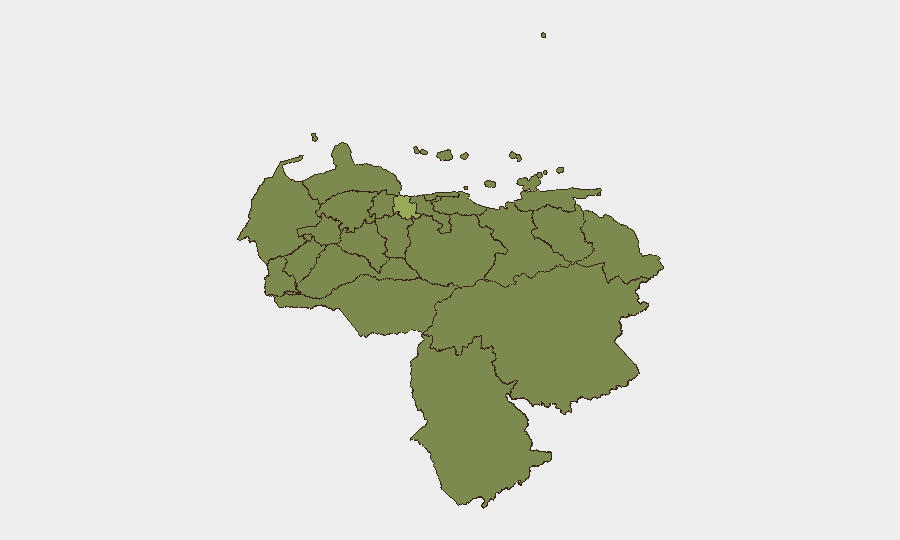
Carabobo State (56.5) and the Federal District—Caracas and metro area (38.3)—drive the majority of tracked threat activity, primarily gang violence, extortion, and armed robbery affecting commercial corridors and residential areas. Tachira (33.2) and Vargas (28.2) show sustained risk tied to cross-border smuggling and informal armed groups; Apure, Monagas, Cojedes, Zulia, Falcon, and Anzoategui (all 26.8–27.2) reflect fragmented gang presence and commodity-trafficking networks. The Federal Dependencies remain a monitoring priority due to isolation and limited state presence. Businesses and expat communities in Caracas and Valencia (Carabobo) face the highest baseline risk from street crime and kidnapping.
How GeoBit Would Assist
Security teams should deploy Intel Sweep, multi-language OSINT fusion, and persistent AOI monitoring on Caracas military zones, border checkpoints (Tachira, Apure), and ports (La Guaira, Puerto Cabello) to confirm or rule out the unverified military activity and track regime-stability signals. Entity extraction and sentiment analysis on government statements and social channels can distinguish internal power struggles from external threats. Election monitoring and radio SIGINT capabilities provide early warning of political escalation; alternative-route planning and maritime/aviation tracking support contingency movement and evacuation planning for at-risk personnel.
7-Day Outlook
Diplomatic isolation and internal government friction are likely to persist over the next week; any confirmation of active military incidents in Caracas would sharply elevate risk. Subnational crime and extortion activity will continue at baseline levels. Watch for UN statements, international pressure announcements, or official clarifications from Caracas that may signal a shift toward either consolidation or instability.
Highest-Risk Areas — Ranked
| # | State / Region | Risk |
|---|---|---|
| 1 | Carabobo State | 56.5 |
| 2 | Federal District | 38.3 |
| 3 | Tachira State | 33.2 |
| 4 | Vargas State | 28.2 |
| 5 | Apure State | 27.2 |
| 6 | Monagas State | 27.1 |
| 7 | Cojedes State | 27.1 |
| 8 | Zulia State | 26.8 |
| 9 | Falcon State | 26.8 |
| 10 | Anzoategui State | 26.8 |
| 11 | Bolivar State | 26.8 |
| 12 | Federal Dependencies | 26.5 |
Sources
Previous Daily Briefs
A new Venezuela brief is written every day — each with its own risk map and downloadable CSV. Here's the last week; use the calendar to go further back.
📅 Browse every day by calendar →
Highlighted days have a brief. Tap a day for that day's map & analysis, or “csv” for that day's dataset ($5).
Atlas — our AI intelligence desk — emails them this snapshot personally. Nothing else, no list.