Situation Summary
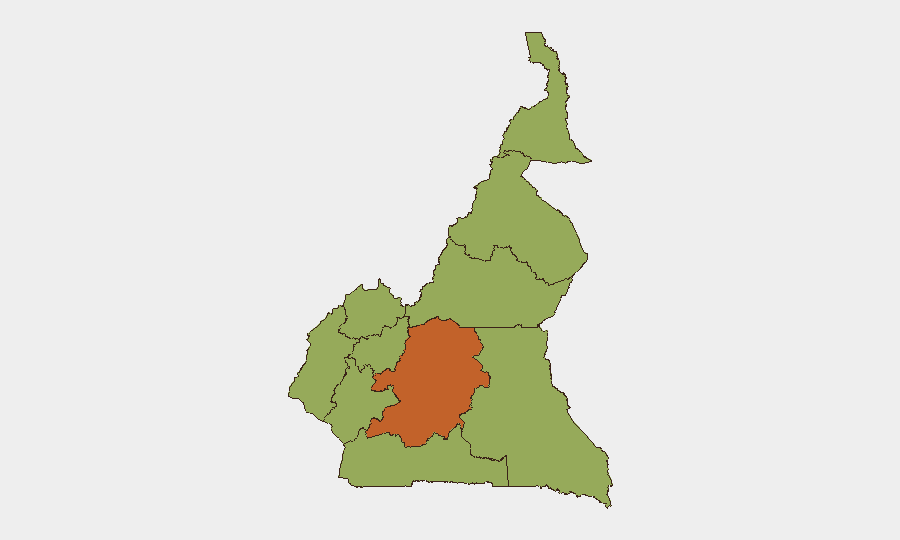
Cameroon remains at elevated risk (#26 globally, composite threat score 66) driven primarily by persistent insurgent activity in the North-West, South-West, and Far-North regions. No major security incidents have been confirmed in the last 24–48 hours; however, the security environment remains structurally fragile with ongoing armed-group operations, kidnapping threats, and violent crime across multiple zones. Risk trajectory is stable but fragmented geographically, with Centre region (Yaoundé area) exhibiting notably higher composite risk (75.8) than other administrative divisions.
Key Developments
No discrete security incidents meeting strict 24–48 hour confirmation criteria have been independently corroborated from open-source feeds as of 30 July 2026. Current monitoring of Cameroonian media outlets, social-media signals, and specialist trackers indicates an absence of newly reported major incidents within this window.
Background context (not current developments): Earlier July reporting documented kidnappings of religious personnel in the North-West (early July), military operations against separatist groups (ongoing since 2016), and Boko Haram-linked activity in the Far North; these remain drivers of regional risk but do not represent new 24–48 hour events.
Duty-of-care teams should note that the *absence* of reported incidents does not indicate reduced underlying risk—volatile environments frequently experience reporting lags, and structural threats (banditry, armed-group presence, kidnapping networks) persist between discrete event clusters.
Highest-Risk Areas
Centre region (Yaoundé) carries substantially higher risk (75.8) than the national average, likely reflecting urban density, political-security infrastructure tension, and as the administrative capital. The eight remaining tracked regions (North-West, South-West, West, Littoral, Adamawa, South, Far-North, North, East) each score 45.8, indicating a widespread secondary risk band driven by active separatist operations (North-West, South-West), Boko Haram presence (Far-North, North, Adamawa), and armed-criminal activity (West, Littoral, South, East). The concentration of highest risk in the North-West and South-West reflects the ongoing Anglophone insurgency; Far-North risk reflects trans-border Boko Haram dynamics from Nigeria.
How GeoBit Would Assist
Security and duty-of-care teams can deploy AOI Monitoring & Early Warning on specific sites (offices, warehouses, personnel residences, travel routes) in Centre, North-West, South-West, and Littoral regions to detect emerging incidents in real time and trigger protocol escalation before mainstream reporting. OSINT Fusion & Corroboration across multi-language feeds, social-media signals, and local media aggregates can confirm or disambiguate conflicting incident reports and distinguish rumor from validated threat. Routing & Network Analysis supports alternative journey planning for personnel movement in high-risk zones, and Conflict & Military force-structure tracking provides visibility on armed-group disposition and military operations that may affect access or movement windows.
7-Day Outlook
Near-term trajectory remains stable with no indication of acute escalation, though the underlying structural fragmentation—multiple simultaneous armed conflicts, persistent organized crime, and seasonal rainy-season access constraints—will continue to create episodic incident risk. Personnel and asset security posture should remain at elevated caution, with heightened sensitivity to North-West and South-West movement restrictions and Far-North kidnapping and Boko Haram threats. Monitoring should intensify around any political or military developments that could shift force posture or trigger renewed confrontations.
Highest-Risk Areas — Ranked
| # | State / Region | Risk |
|---|---|---|
| 1 | Centre | 75.8 |
| 2 | Northwest | 45.8 |
| 3 | Southwest | 45.8 |
| 4 | West | 45.8 |
| 5 | Littoral | 45.8 |
| 6 | Adamawa | 45.8 |
| 7 | South | 45.8 |
| 8 | Far-North | 45.8 |
| 9 | North | 45.8 |
| 10 | East | 45.8 |
Sources
Previous Daily Briefs
A new Cameroon brief is written every day — each with its own risk map and downloadable CSV. Here's the last week; use the calendar to go further back.
📅 Browse every day by calendar →
Highlighted days have a brief. Tap a day for that day's map & analysis, or “csv” for that day's dataset ($5).
Atlas — our AI intelligence desk — emails them this snapshot personally. Nothing else, no list.