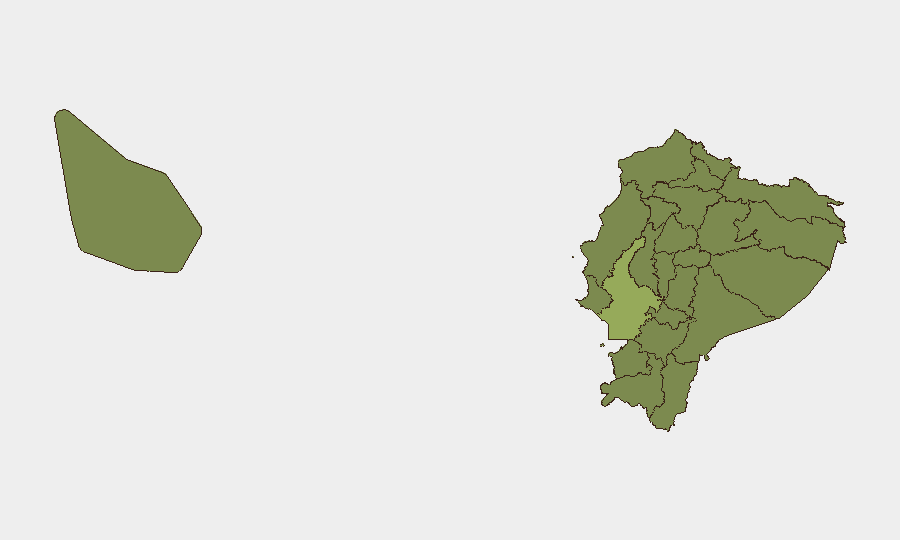
Situation Summary
Ecuador remains at moderate composite threat (rank #33 globally, score 45) but is experiencing a sharp uptick in targeted lethal violence, particularly in coastal provinces and Quito. Over 48 hours, at least six homicides have been reported, including execution-style killings and attacks on professionals; simultaneous intensified border and airport screening suggest government counter-crime operations are accelerating. The convergence of criminal contract killings, gang activity in rural agricultural zones, and micro-trafficking disputes in urban commercial hubs indicates sustained fragmentation and competition among criminal actors rather than centralized control.
Key Developments
- Buena Fe, Los Ríos Province (20 July): Four individuals shot dead in a targeted, contract-style execution at a rural hacienda; attackers used video confirmation of identity before killings, indicating professional criminal coordination.
- Chone, Manabí Province (20 July): Attorney Juan López fatally shot while transporting his child to school; child remains seriously injured. Second lawyer killed in Manabí within 25 hours, signaling elevated risk for professionals involved in judicial or commercial disputes.
- Montecristi and Altos de Olón (20 July): Two youths killed in Montecristi; one adult male fatally attacked in Altos de Olón (Santa Elena), reinforcing pattern of lethal violence in coastal zones.
- Mercado Mayorista, South Quito (20 July): Shooting inside major commercial/produce hub resulting in one fatality; incident attributed to turf conflict over controlled-substance distribution among micro-trafficking groups.
- El Triunfo, Guayas Province (20 July): Security forces arrested nine suspected members of "Los Águilas" gang after armed exchange; suspects attempted flight through banana plantations, confirming active armed gang presence in rural Guayas.
- National Airport & Border Operations (19–20 July): Interior Ministry and migration authorities deported three foreign nationals accused of systematic bus-line theft; parallel airport operations at Quito, Guayaquil, and Cuenca resulted in 94 inadmissions, 54 exit bans, 14 arrest warrants, and 65 expulsions/extraditions, reflecting heightened foreign-national screening nationwide.
- Human Rights Report Release (21 July): Human Rights Watch published findings on security-operation abuses, including torture of farm workers on the Colombia–Ecuador border and unexplained armed drone attacks on fishing vessels near the Galápagos (January–March period), signaling ongoing scrutiny of counter-crime tactics and civilian-protection gaps.
Highest-Risk Areas
Guayas Province (score 53.5) dominates the risk landscape, driven by active gang presence, contract-style executions, and agricultural-zone security incidents. Manabí Province (23.5) has emerged as an acute flashpoint with two lawyer homicides in one day and youth-targeted violence, indicating either professional targeting or gang expansion into new demographics. Coastal provinces collectively—Guayas, Manabí, Santa Elena, and Esmeraldas—account for the majority of recent lethal incidents, reflecting both organized criminal infrastructure and competition over trafficking corridors. Quito (within Pichincha, score 23.5) continues to see intra-gang micro-trafficking disputes in commercial hubs.
How GeoBit Would Assist
Teams operating in Ecuador should deploy AOI Monitoring & Early Warning on Guayas, Manabí, and southern Quito to detect emerging gang activity and execution patterns in near-real time. OSINT Fusion & Corroboration (X, Telegram, local media) enables rapid cross-checking of incident reports and actor identification. Network & Actor Analysis would map criminal-group structures and professional-targeting patterns to identify at-risk sectors (legal, commercial, transport). Routing & Network Analysis supports alternative journey planning for personnel in high-incident zones.
7-Day Outlook
Lethal violence is likely to remain elevated over the next week as criminal actors consolidate territorial and trafficking control following recent enforcement operations. Government intensification of airport, border, and urban policing may create temporary displacement of gang activity into secondary cities and rural zones. Professionals in law, commerce, and agriculture should expect continued elevated risk in Manabí and coastal Guayas through late July.
Highest-Risk Areas — Ranked
| # | State / Region | Risk |
|---|---|---|
| 1 | Guayas Province | 53.5 |
| 2 | Pastaza Province | 30.4 |
| 3 | Sucumbíos Province | 23.5 |
| 4 | Orellana Province | 23.5 |
| 5 | Manabí Province | 23.5 |
| 6 | Galápagos | 23.5 |
| 7 | Esmeraldas Province | 23.5 |
| 8 | Carchi Province | 23.5 |
| 9 | Imbabura Province | 23.5 |
| 10 | Santo Domingo de los Tsáchilas Province | 23.5 |
| 11 | Pichincha Province | 23.5 |
| 12 | Napo Province | 23.5 |
Sources
Previous Daily Briefs
A new Ecuador brief is written every day — each with its own risk map and downloadable CSV. Here's the last week; use the calendar to go further back.
📅 Browse every day by calendar →
Highlighted days have a brief. Tap a day for that day's map & analysis, or “csv” for that day's dataset ($5).
Atlas — our AI intelligence desk — emails them this snapshot personally. Nothing else, no list.