Situation Summary
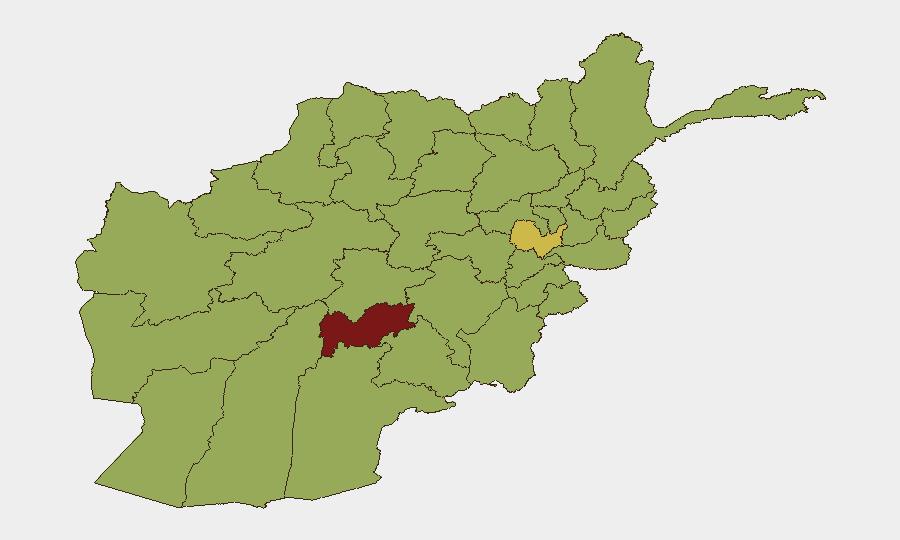
Afghanistan remains a #20 global threat with a composite score of 82, driven primarily by ongoing insurgency and armed group activity. The country has recorded 16 tracked events in the current cycle; however, verified security incidents from the past 24–48 hours are limited in open reporting. Recent activity signals include military mobilization, diplomatic engagement, and cross-border tensions, though discrete violent incidents lack clear recent time-stamps in available sources. The security environment remains volatile, with Uruzgan Province presenting the highest sub-national risk profile at 87.2.
Key Developments
- Kabul, National Level (2026-07-10): UN Secretary-General António Guterres formally nominated Bangladeshi diplomat Rabab Fatima as Special Representative for Afghanistan and head of UNAMA, with Security Council decision expected within 24 hours. This leadership transition may affect coordination channels and international engagement capacity relevant to NGO and corporate operations.
- Event Signal — Military Mobilization (2026-07-10): GEOBIT platforms detected a military mobilization event flagged as "AFGHANISTAN vs UNITED STATES," indicating active force positioning or operational readiness. Specific location and tactical detail remain unconfirmed in open sources.
- Event Signal — Conventional Military Force (2026-07-10): Multiple conventional military force events recorded involving Afghanistan, National Guard, and United States actors on 2026-07-10. Geographic focus and operational scope require asset-specific intelligence to assess proximity to corporate or humanitarian footprints.
- Pakistan–Afghanistan Diplomatic Tension (2026-07-10): A "Disapprove" diplomatic signal between Pakistan and Afghanistan was recorded, indicating state-level friction. This may correlate with earlier cross-border strike activity and could affect travel routing and border-crossing security.
- Unconventional Violence Events (2026-07-08 & 2026-07-09): GEOBIT detected unconventional violence signals involving MARINES (2026-07-08) and a second actor labeled CALIF (2026-07-09). Specific locations, casualty data, and organizational attribution require deeper intelligence fusion to assess impact on international presence.
- Public Statements and Rejections (2026-07-09 to 2026-07-10): Multiple public statements and diplomatic rejections were issued by Afghanistan, the United States, and other actors. Sentiment and messaging indicate escalating rhetorical tension; substance of statements unavailable in current brief data.
Highest-Risk Areas
Uruzgan Province dominates the threat landscape at 87.2, more than 19 points above Kabul (67.8) and significantly higher than the remaining tracked provinces. The bottom-ranked provinces (Balkh, Badghis, and others) cluster at 57.2, indicating a concentrated risk gradient in the south and west. Uruzgan's elevated score reflects insurgent presence, remote terrain limiting state control, and historical instability; Kabul's elevated score reflects critical infrastructure density, international presence, and active militant targeting of high-value sites. Organizations with operations in Kandahar, Zabul, Helmand, or Farah provinces should assume baseline insurgent activity and cross-border spillover risk.
How GeoBit Would Assist
Security teams should employ OSINT Fusion & Corroboration and Intel Sweep (global event feeds, X/Telegram OSINT, multi-language search) to develop real-time visibility into incident detail and actor attribution beyond event signals. AOI Monitoring & Early Warning with persistent geographic watch on Uruzgan, Kandahar, and Kabul Provinces enables proactive alerting when activity escalates near specific facilities or travel routes. Conflict & Military (force structure, weapons-capability tracking) and Network & Actor Analysis help identify militant group posture, mobilization patterns, and targeting intent relative to international presence.
7-Day Outlook
Military mobilization signals and diplomatic friction between Afghanistan and Pakistan suggest heightened operational tempo over the coming week. If unconventional violence events continue or cluster geographically, risk to international staff and assets in southern provinces will likely increase. Organizations should maintain heightened readiness posture and prepare contingency routing for personnel and supply chains.
Highest-Risk Areas — Ranked
| # | State / Region | Risk |
|---|---|---|
| 1 | Uruzgan Province | 87.2 |
| 2 | Kabul Province | 67.8 |
| 3 | Zabul Province | 57.2 |
| 4 | Kandahar Province | 57.2 |
| 5 | Ghazni Province | 57.2 |
| 6 | Paktika Province | 57.2 |
| 7 | Farah Province | 57.2 |
| 8 | Nimruz Province | 57.2 |
| 9 | Helmand Province | 57.2 |
| 10 | Jowzjan Province | 57.2 |
| 11 | Balkh Province | 57.2 |
| 12 | Badghis Province | 57.2 |
Sources
Previous Daily Briefs
A new Afghanistan brief is written every day — each with its own risk map and downloadable CSV. Here's the last week; use the calendar to go further back.
📅 Browse every day by calendar →
Highlighted days have a brief. Tap a day for that day's map & analysis, or “csv” for that day's dataset ($5).
Atlas — our AI intelligence desk — emails them this snapshot personally. Nothing else, no list.