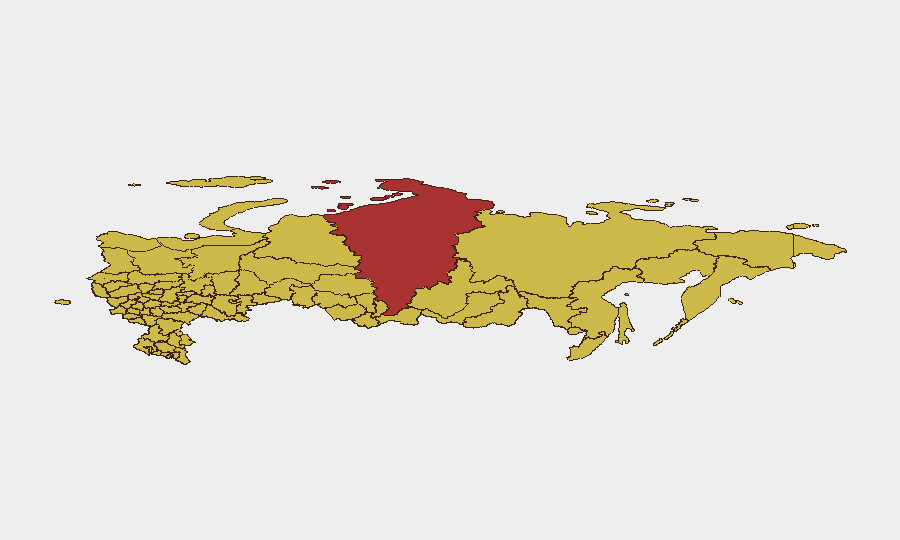
Situation Summary
Russia faces sustained Ukrainian drone and missile strikes across its western and southern territories, with particular focus on energy infrastructure and occupied regions. Overnight into July 13, Ukraine conducted large-scale UAV campaigns targeting oil refineries, ports, and power systems in Yaroslavl Oblast, Leningrad Oblast, and Crimea, compounding logistics and energy disruption in Russian-controlled areas. The tempo and scale of these strikes—claims of 519 drones downed overnight, attacks on multiple critical infrastructure nodes—signal escalating pressure on Russian rear-area supply chains and civilian utilities. Moscow's overall threat ranking remains elevated at #12 globally, with Moscow city itself the single highest-risk sub-national zone.
Key Developments
- Yaroslavl, Yaroslavl Oblast (overnight into July 13): Ukraine conducted drone strikes on the city; regional governor Mikhail Yevrayev reported two wounded and claimed Russian air defenses downed over 70 Ukrainian drones in the attack.
- Crimean Peninsula blackout (early morning July 13): An energy provider reported peninsula-wide power loss attributed to Ukrainian attacks on energy infrastructure; Sevastopol head Mikhail Razvozhayev confirmed outages in Sevastopol and broader Crimea before partial restoration via backup systems.
- Vysotsk, Leningrad Oblast (early morning July 13): Ukraine's military and security service reported striking three Russian oil refineries and an oil terminal in the Baltic Sea port, targeting energy supply routes to western Russia and occupied areas.
- Multi-region air defense claims (overnight into July 13): Russia's Defense Ministry claimed air defenses downed 519 Ukrainian drones across multiple regions overnight, indicating a coordinated large-scale UAV campaign across western Russian territory.
- Shadow fleet and fuel-route disruption (last 48 hours): Open reporting corroborates Ukrainian actions against fuel shipment routes to Crimea and energy logistics disruption in Russian-controlled areas, compounding infrastructure strain from direct strikes.
Highest-Risk Areas
Moscow (risk 93) remains the dominant threat driver, reflecting its concentration of government, financial, and strategic assets and exposure to both conventional and cyber targeting. Krasnoyarsk Krai (78.8) and Dagestan (69.2) follow, with the former's industrial and energy significance and the latter's history of terrorism and instability contributing to sustained composite risk. The clustering of moderate-to-high risk across Tula, Primorsky, Irkutsk, and Nizhny Novgorod oblasts reflects geography, infrastructure criticality, and proximity to conflict zones or borders; Crimea and western regions now face acute near-term disruption from Ukrainian strikes on energy and logistics nodes. Saint Petersburg and Astrakhan also warrant monitoring given energy infrastructure exposure and port activity.
How GeoBit Would Assist
Security teams managing personnel or assets in Russia should leverage AOI Monitoring & Early Warning to track persistent threats to high-risk zones (Moscow, Krasnoyarsk, Crimea) with real-time alerting on drone activity, strikes, and infrastructure disruption. Conflict & Military capabilities—including battle mapping and force-structure tracking—combined with Intelligence & OSINT (multi-language feeds, Telegram/social monitoring, entity extraction) enable rapid correlation of Ukrainian strikes with Russian defensive claims and damage assessment. Routing & Network Analysis supports contingency planning for personnel movement and supply chains disrupted by infrastructure strikes.
7-Day Outlook
Ukrainian strikes on Russian energy infrastructure and logistics are likely to sustain or intensify over the next week, driven by cumulative damage to Russian rear-area supply networks. Power outages, fuel shortages, and transportation disruption will create secondary risks (civil unrest, emergency-response strain, staff movement friction) across affected oblasts, particularly in western and southern regions. Drone and missile interception claims will continue, but infrastructure damage appears to be outpacing Russian repair capacity, increasing pressure on civilian services and military logistics in and around occupied territories.
Highest-Risk Areas — Ranked
| # | State / Region | Risk |
|---|---|---|
| 1 | Moscow | 93 |
| 2 | Krasnoyarsk Krai | 78.8 |
| 3 | Dagestan | 69.2 |
| 4 | Tula Oblast | 67.7 |
| 5 | Primorsky Krai | 67 |
| 6 | Irkutsk Oblast | 66.6 |
| 7 | Nizhny Novgorod Oblast | 65.8 |
| 8 | Magadan Oblast | 65.2 |
| 9 | Saint Petersburg | 65.2 |
| 10 | Astrakhan Oblast | 64.6 |
| 11 | Republic of Mordovia | 64.3 |
| 12 | Rostov Oblast | 64.3 |
Sources
Previous Daily Briefs
A new Russia brief is written every day — each with its own risk map and downloadable CSV. Here's the last week; use the calendar to go further back.
📅 Browse every day by calendar →
Highlighted days have a brief. Tap a day for that day's map & analysis, or “csv” for that day's dataset ($5).
Atlas — our AI intelligence desk — emails them this snapshot personally. Nothing else, no list.