Situation Summary
Pakistan's security environment remains tense, with active counter-insurgency operations in Balochistan coinciding with a fatal bus attack and renewed threat-narrative activity across multiple political and militant actors. The composite national threat score of 60 (rank #32 globally) reflects persistent insurgency and border-conflict drivers, with 150 tracked events in the current monitoring cycle. Balochistan remains the primary flashpoint, but intelligence-based operations and curfew imposition suggest state security forces are maintaining sustained counter-terrorism pressure. The trajectory over the next 7 days will depend on militant response to recent losses and the stability of civil order in curfew zones.
Key Developments
- Mastung district, Balochistan – 23 July evening: Unidentified gunmen attacked a Karachi-bound passenger coach in the Garo area of Khad Kocha, killing three passengers and wounding three others. Authorities imposed a curfew in Khad Kocha sub-tehsil from 21:00 onward in response.
- Surab district, Balochistan – 22–23 July: Security forces conducted intelligence-based "area sanitisation" operations under Operation Shaban, killing seven militants at identified terrorist locations over a 48-hour span.
- Mastung district, Balochistan – 22–23 July: Parallel counter-terrorism operations resulted in three militants killed and two female suicide bombers plus one facilitator arrested; all linked to the alleged India-sponsored "Fitna-al Hindustan/Fitna al‑Khawarij" network.
- Khad Kocha area, Mastung – 23 July onward: An extended/indefinite curfew was imposed following the bus attack and militant raids, restricting civilian movement to stabilize the security situation.
- Balochistan-wide – 21–23 July (48-hour cumulative): Security forces claim at least 10 militants killed across Surab and Mastung districts, with multiple hideouts destroyed. State and military media are emphasizing sustained counter-insurgency momentum.
- National travel advisories – current (24–48 hour window): Canada's official travel advisory rates Balochistan and most of Khyber Pakhtunkhwa as "avoid all travel" due to terrorism and insurgency. Advisory notes ongoing cross-border attack risk with Afghanistan, elevated security postures in Islamabad, Karachi, and Lahore, and expected protest activity in major cities.
Highest-Risk Areas
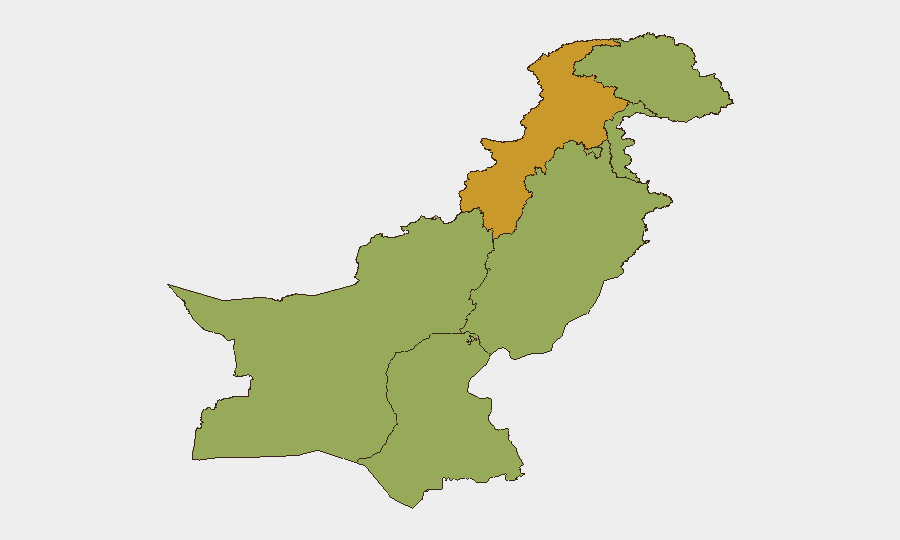
Khyber Pakhtunkhwa (71.9) and Balochistan (50.2) dominate the sub-national risk profile, with Balochistan currently experiencing the highest operational tempo of militant activity and security-force response. Recent bus attack and counter-ops intensity reflect active insurgent capability in rural transit corridors and remote districts; curfew imposition indicates state concern over coordinated or retaliatory action. Punjab (56.1) and Islamabad Capital Territory (54.0) also carry moderate-to-elevated risk, primarily from demonstration/protest activity and political demand signaling observed in the last 24 hours, rather than armed insurgency. The concentration of risk in border-adjacent and rural Balochistan underscores the enduring nexus between cross-border militant facilitation and domestic terrorist networks.
How GeoBit Would Assist
Corporate security teams with personnel or assets in Pakistan should deploy AOI Monitoring & Early Warning on Balochistan transit routes and city centers (Quetta, Mastung, Surab) to detect curfew escalation or new attack signals in real time. Network & Actor Analysis combined with OSINT fusion (X/Telegram feeds, entity extraction, sentiment analysis) would track "Fitna-al Hindustan" messaging and militant claims of responsibility, enabling rapid threat correlation. Routing & Network Analysis capabilities support alternative journey planning for personnel transiting high-risk districts, while multi-language SIGINT and conflict search provide continuous early warning on Operation Shaban tempo and protest mobilization in major cities.
7-Day Outlook
Balochistan operations are likely to sustain or intensify over the next 7 days as security forces press tactical advantage following recent militant losses. Curfew zones in Mastung will remain tightly controlled; any retaliatory attacks or rescue operations by militant cells would trigger rapid escalation. Concurrently, political demand signaling and protest activity in Punjab and Islamabad may generate secondary security friction in urban areas; monitor for spillover disruption to commercial or diplomatic movement.
Highest-Risk Areas — Ranked
| # | State / Region | Risk |
|---|---|---|
| 1 | Khyber Pakhtunkhwa | 71.9 |
| 2 | Punjab | 56.1 |
| 3 | Islamabad Capital Territory | 54 |
| 4 | Balochistan | 50.2 |
| 5 | Sindh | 49.1 |
| 6 | Azad Kashmir | 44.2 |
| 7 | Gilgit-Baltistan | 42.5 |
Sources
Previous Daily Briefs
A new Pakistan brief is written every day — each with its own risk map and downloadable CSV. Here's the last week; use the calendar to go further back.
📅 Browse every day by calendar →
Highlighted days have a brief. Tap a day for that day's map & analysis, or “csv” for that day's dataset ($5).
Atlas — our AI intelligence desk — emails them this snapshot personally. Nothing else, no list.