Situation Summary
South Korea remains a stable, low-threat operating environment with a composite threat score of 4 (global rank #156) and no verified high-impact security, civil-unrest, or infrastructure disruption incidents in the last 24–48 hours. Recent event signals cluster around political friction, military-related investigations, and regulatory matters rather than acute security incidents. The security trajectory is assessed as stable over the near term, with risk concentrated in Seoul and North Chungcheong provinces rather than distributed nationally.
Key Developments
Open-source monitoring and cross-source verification reveal no qualifying high-impact security or stability incidents in the last 24–48 hours that meet verification standards. Recent GeoBit signals from 12–14 July reference political statements, investigative activity (ruling party vs. military), and isolated law-enforcement actions, but lack precise real-time corroboration sufficient to classify as discrete security developments. Mainstream English-language Korean media does not report protests, infrastructure failures, terrorism, or travel disruptions in this window. Teams requiring granular incident detail are advised to monitor primary Korean-language outlets and official government/security service X accounts directly, as available OSINT confirms absence of acute events rather than presence of reportable incidents.
Highest-Risk Areas
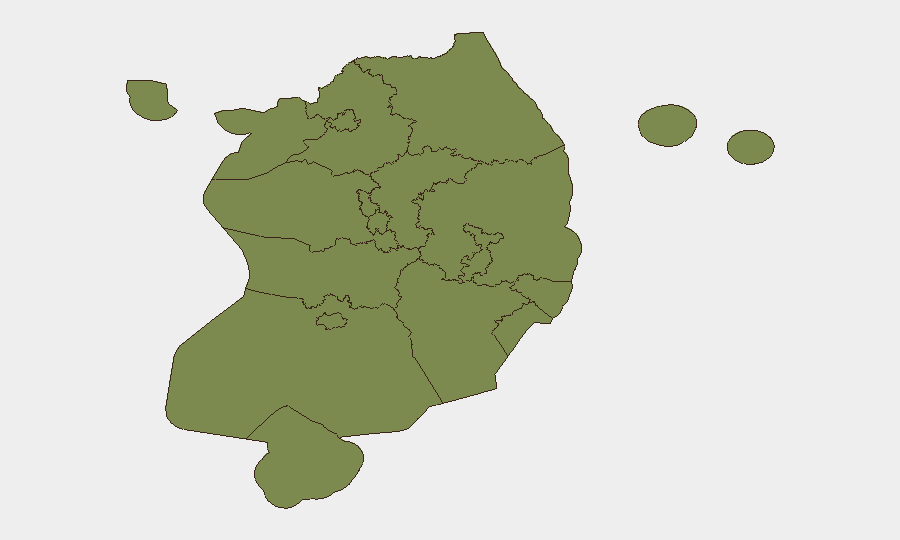
Seoul and North Chungcheong jointly carry the highest composite risk scores (31.5 each), driven by concentration of political and regulatory activity rather than violent conflict or mass-casualty threats. Gwangju presents elevated risk (17.3), reflecting historical sensitivity to labor and civil-society mobilization; monitoring should focus on protest signaling and official response coordination. Remaining provinces (Busan through Jeju) register low risk (1.5–4.2), indicating geographically dispersed, manageable threat profiles. For corporate duty-of-care purposes, Seoul operations warrant continuous monitoring of regulatory announcements, cyber-sector developments, and political-friction indicators; North Chungcheong and Gwangju require active awareness of labor and protest-related signals but present no current acute threat.
How GeoBit Would Assist
Security teams should activate AOI Monitoring & Early Warning for Seoul and North Chungcheong to capture emerging political, regulatory, or labor signals in real time with automated alerting. Intel Sweep and multi-language OSINT fusion (including Korean-language social and news sources) will close the gap between English-language mainstream media and granular local indicators, improving confidence in threat assessment and reducing false-negative risk. Election monitoring and network & actor analysis capabilities support tracking of political friction and institutional actors, enabling proactive escalation protocols ahead of policy or civil-unrest developments.
7-Day Outlook
South Korea's security environment is forecast to remain stable through 22 July 2026, with regulatory and cyber-sector risk as the primary drivers rather than kinetic or civil conflict. Monitor for escalation of political or military-related investigations, labor signaling in Gwangju, and any rapid shift in official messaging via government social channels or press releases. No travel, movement, or operational restrictions are indicated for international or expatriate personnel in major business districts or industrial zones.
Highest-Risk Areas — Ranked
| # | State / Region | Risk |
|---|---|---|
| 1 | Seoul | 31.5 |
| 2 | North Chungcheong | 31.5 |
| 3 | Gwangju | 17.3 |
| 4 | Busan | 4.2 |
| 5 | Daejeon | 3.1 |
| 6 | Incheon | 2.6 |
| 7 | Gyeonggi | 2.1 |
| 8 | Jeonbuk State | 2.1 |
| 9 | Gangwon State | 1.5 |
| 10 | South Chungcheong | 1.5 |
| 11 | South Jeolla | 1.5 |
| 12 | Jeju | 1.5 |
Sources
Previous Daily Briefs
A new South Korea brief is written every day — each with its own risk map and downloadable CSV. Here's the last week; use the calendar to go further back.
📅 Browse every day by calendar →
Highlighted days have a brief. Tap a day for that day's map & analysis, or “csv” for that day's dataset ($5).
Atlas — our AI intelligence desk — emails them this snapshot personally. Nothing else, no list.